New Construction, New Confusion: A First-Time Buyer's Guide to NYC's Approval Pipeline
With hundreds of developments in various stages of approval across the five boroughs, understanding the timeline and risks can save you thousands—and heartbreak.
With hundreds of developments in various stages of approval across the five boroughs, understanding the timeline and risks can save you thousands—and heartbreak.
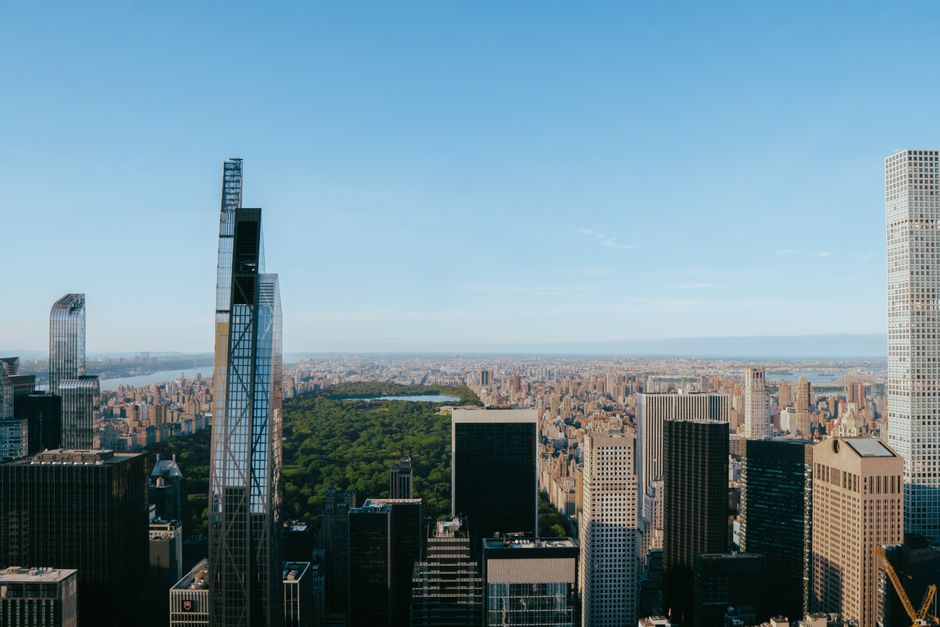
The crane count across New York City tells a story: 270 active construction projects as of mid-2026, yet approval timelines remain opaque for the average buyer. If you're a first-timer eyeing a new development—whether a $850,000 two-bedroom in Long Island City or a $1.4 million Brooklyn Heights prewar-conversion hybrid—navigating the gap between groundbreaking and move-in day is critical.
Start by understanding the three approval phases. The Department of City Planning's Uniform Land Use Review Procedure (ULURP) comes first; this public review typically takes six to nine months but can extend longer if community boards raise concerns. Projects along the Williamsburg waterfront or in rapidly gentrifying areas like Astoria face heightened scrutiny. Next comes the Buildings Department's issuance of permits—another two to four months. Finally, actual construction begins, with timelines varying wildly based on soil conditions, union labor agreements, and weather.
For buyers, this means distinguishing between "approved," "permitted," and "under construction." A development might have ULURP approval but lack final building permits—a red flag that delays can still occur. Check the NYC Department of Buildings' website directly; search by project address to find current permit status rather than relying solely on developer marketing materials.
Price expectations shift across phases too. Pre-construction units in projects still navigating approvals (think emerging neighborhoods like Sunset Park) often offer 15–20% discounts versus completed buildings. But that savings evaporates if approvals stall. Conversely, projects breaking ground on the High Line or near Atlantic Terminal command premium pricing precisely because timelines are nearly certain.
Legal protections matter. A first-time buyer should ensure any reservation agreement includes explicit language about approval timelines and your right to withdraw with full refund if milestones aren't met. The NYC Bar Association's Real Property Section publishes buyer guides; review one before signing anything.
Consider location beyond prestige. A $775,000 studio in a newly approved building in Kew Gardens, Queens may appreciate faster than a similar price point in a hyper-competitive Manhattan district already saturated with supply. The city's recent ADU zoning expansion is opening opportunities in outer boroughs that weren't viable five years ago.
Finally, build in a buffer. Developer completion dates are notoriously optimistic. If you're planning to move in or flip for profit, assume projects run 6–12 months past stated timelines. For first-timers, that means locking in your current lease extension or rental—not planning to be homeless on move-in day.
This article was compiled by AI from the sources linked above and screened before publishing. See our editorial standards.
How does this story make you feel?
Spread the word
About this article
Published by The Daily New York
Daily brief
Free, in your inbox before 7am. Weekdays.
More in Property