Why Affordable Housing Bonds Are Suddenly a Magnet for Investors—And What the Returns Really Show
As yields on mixed-income developments climb, new data reveals how social housing is reshaping the investment math across New York's five boroughs.
As yields on mixed-income developments climb, new data reveals how social housing is reshaping the investment math across New York's five boroughs.
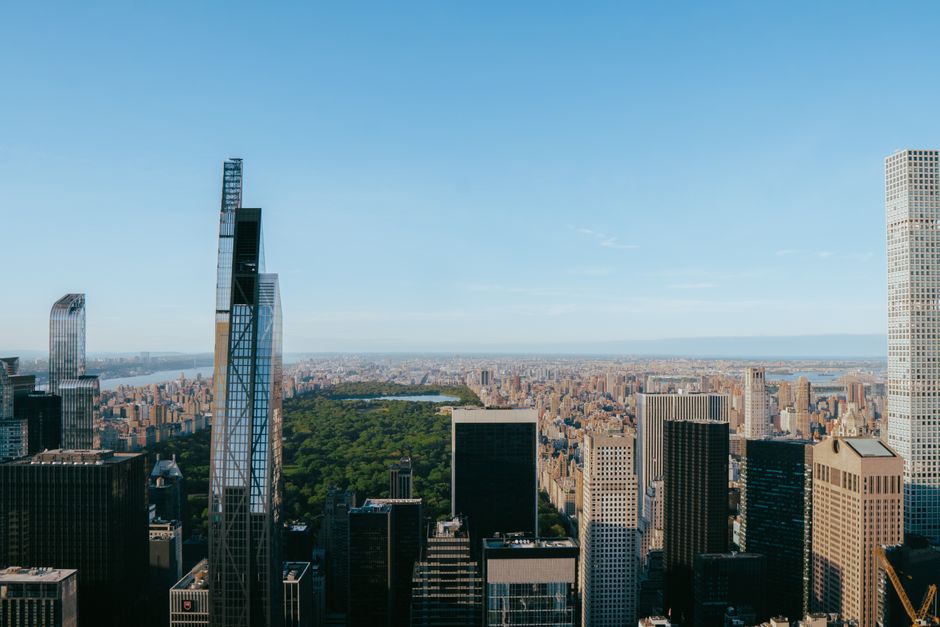
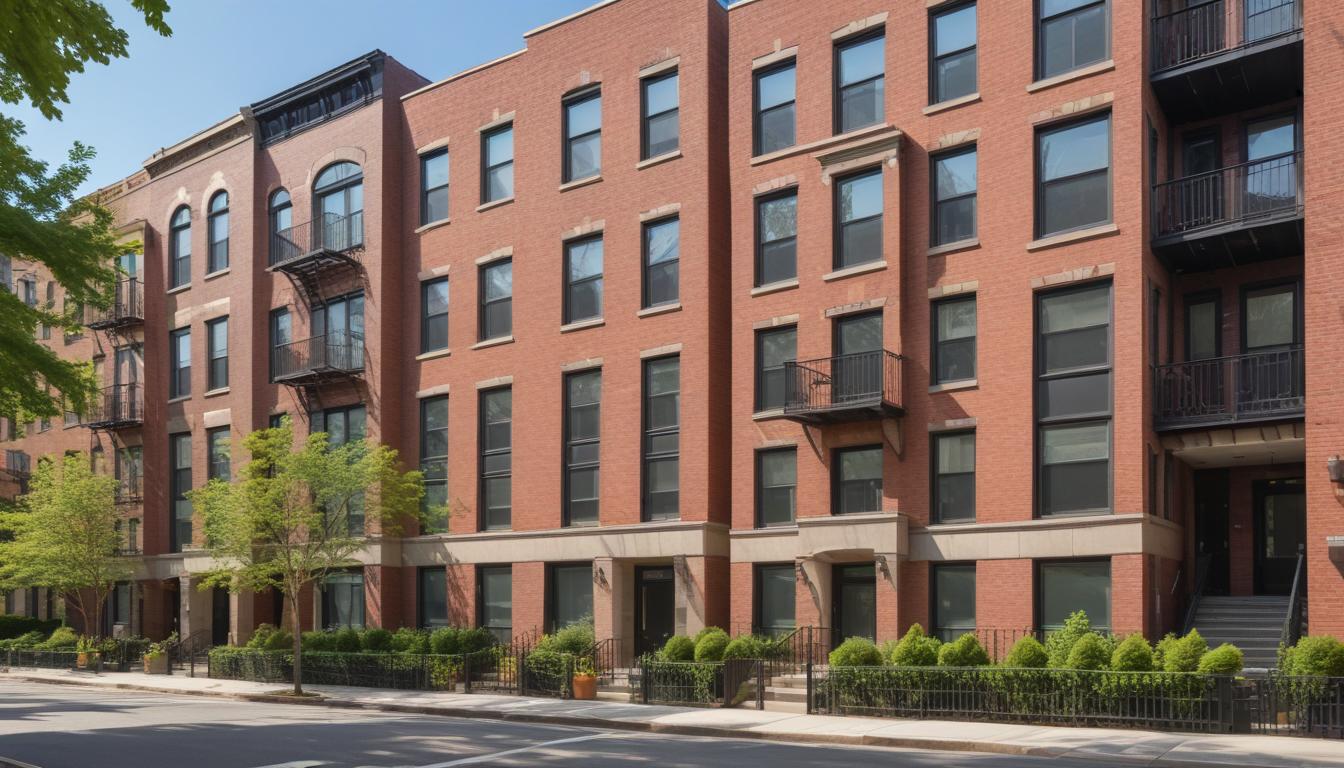
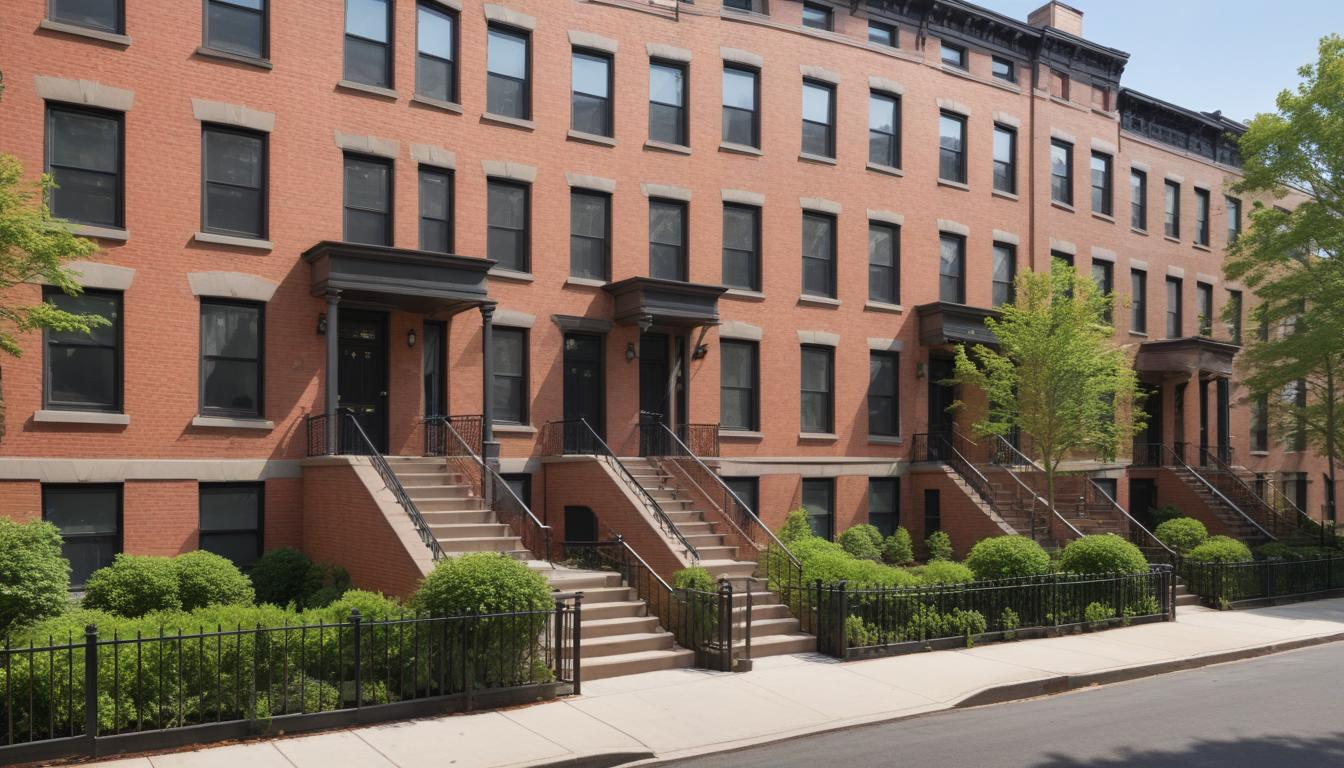
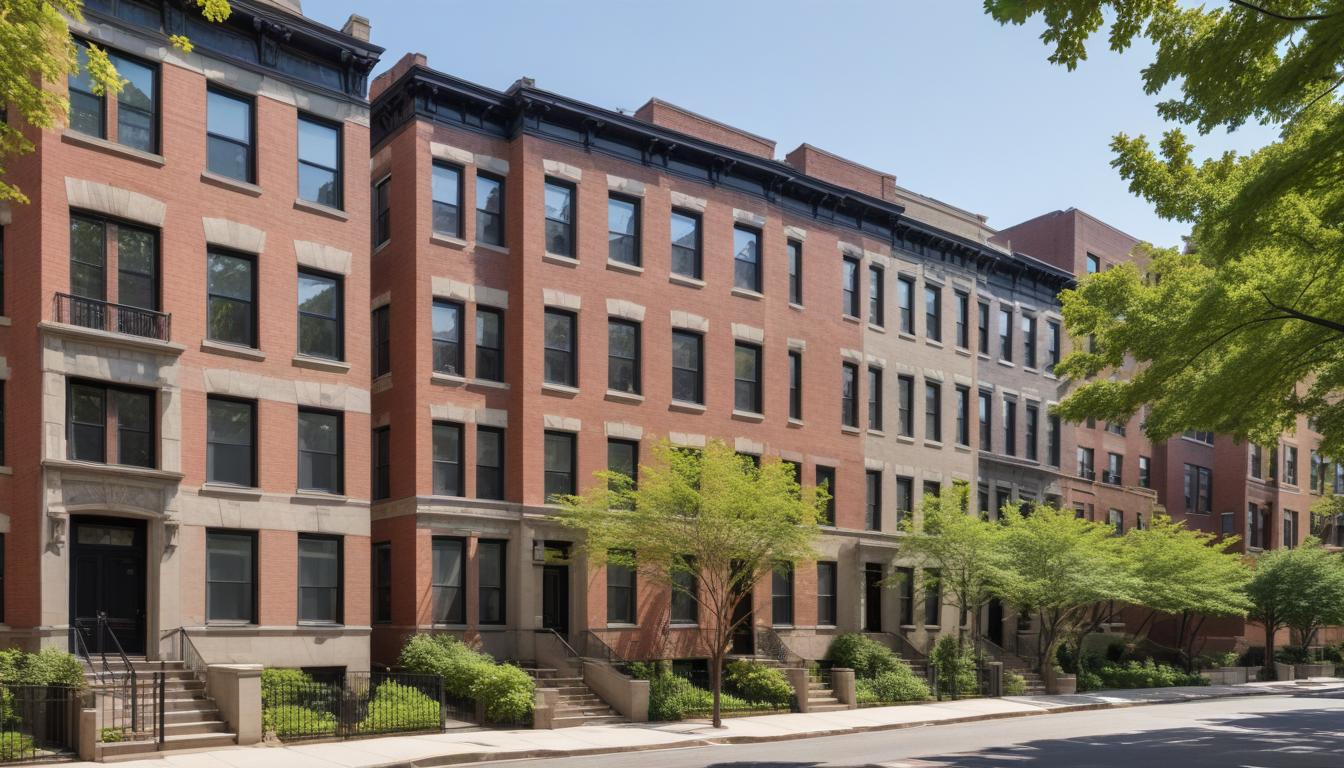
For years, affordable housing was viewed as a philanthropic obligation rather than a financial opportunity. That calculus is shifting fast. Recent bond offerings tied to mixed-income projects in Astoria, Sunset Park, and the South Bronx have attracted institutional investors at yields once reserved for commercial real estate, signalling a fundamental recalibration of how Wall Street views social housing in New York.
The numbers tell a compelling story. A 2025 Hudson Institute report found that deeply affordable units (targeting households earning 30–60 percent of area median income) bundled into larger mixed-income complexes are generating 4.2–4.8 percent annual yields for fixed-income investors. That's roughly 200 basis points higher than comparable municipal bonds, but substantially lower than the 7–9 percent yields demanded on pure-play commercial multifamily assets. The sweet spot: moderately affordable units (60–120 percent AMI) in high-demand neighbourhoods like Long Island City or along the Williamsburg waterfront, where rents stabilize around $2,000–$2,400 for a one-bedroom.
What's driving this appetite? Supply scarcity and regulatory tailwinds. New York State's expansion of ADU zoning and the city's mandatory inclusionary housing policy have made affordable units predictable revenue streams. The East Harlem partnership between Related Companies and Phipps Houses, which broke ground on 435 mixed-income units last year, attracted $180 million in institutional capital. Investors were drawn not by sentiment, but by a 20-year lease guarantee and on-site property management certified to HPD standards.
Yet returns remain fragile. Rising construction costs—concrete and labour inflation added 18 percent to project budgets city-wide since 2023—are squeezing margins. A development in Mott Haven, Queens that pencilled out at 4.6 percent yield in 2024 faces a revised 3.8 percent forecast for 2026. Vacancy rates on stabilized affordable stock still hover around 2–3 percent below market-rate comparables, a risk premium investors are only now pricing in.
The real test comes in the next three years. City housing bonds underperform when interest rates spike or recession pressures working-class renters—the exact income cohort filling affordable units. Several large portfolios are already diversifying: mixing deeper affordability (higher subsidy risk, lower yield) with workforce housing at 120–150 percent AMI (higher stability, lower returns than market-rate). The message is clear: affordable housing is investable, but only when structured like a business.
This article was compiled by AI from the sources linked above and screened before publishing. See our editorial standards.
How does this story make you feel?
Spread the word
About this article
Published by The Daily New York
Daily brief
Free, in your inbox before 7am. Weekdays.
More in Property