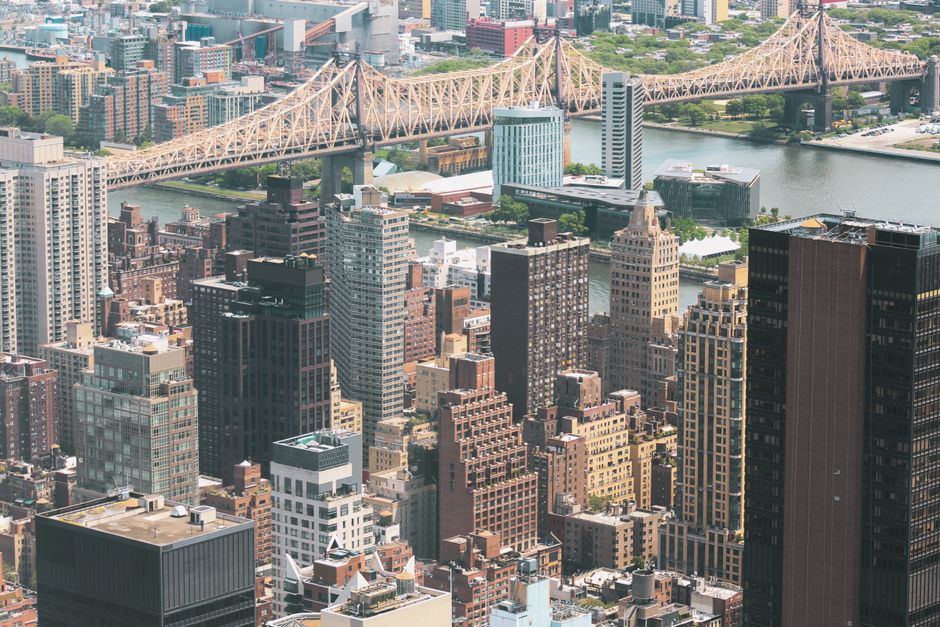
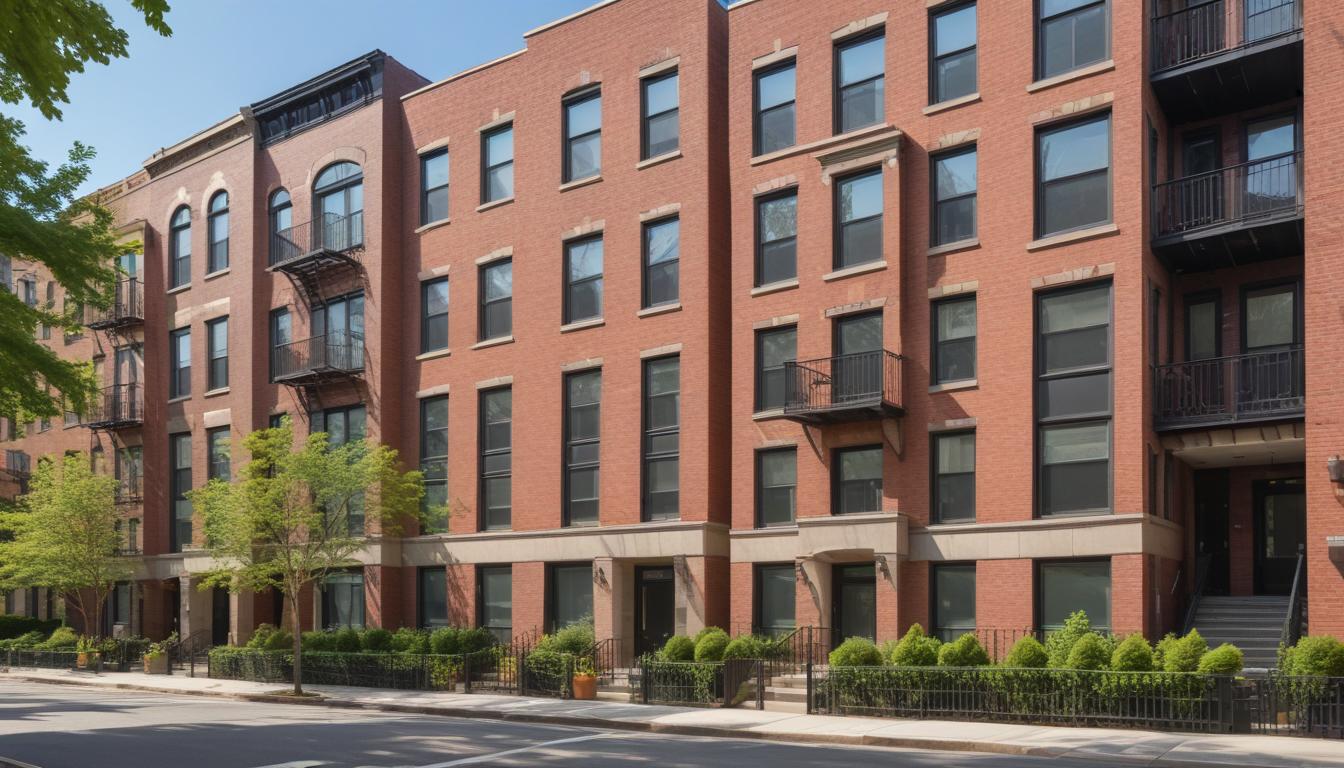
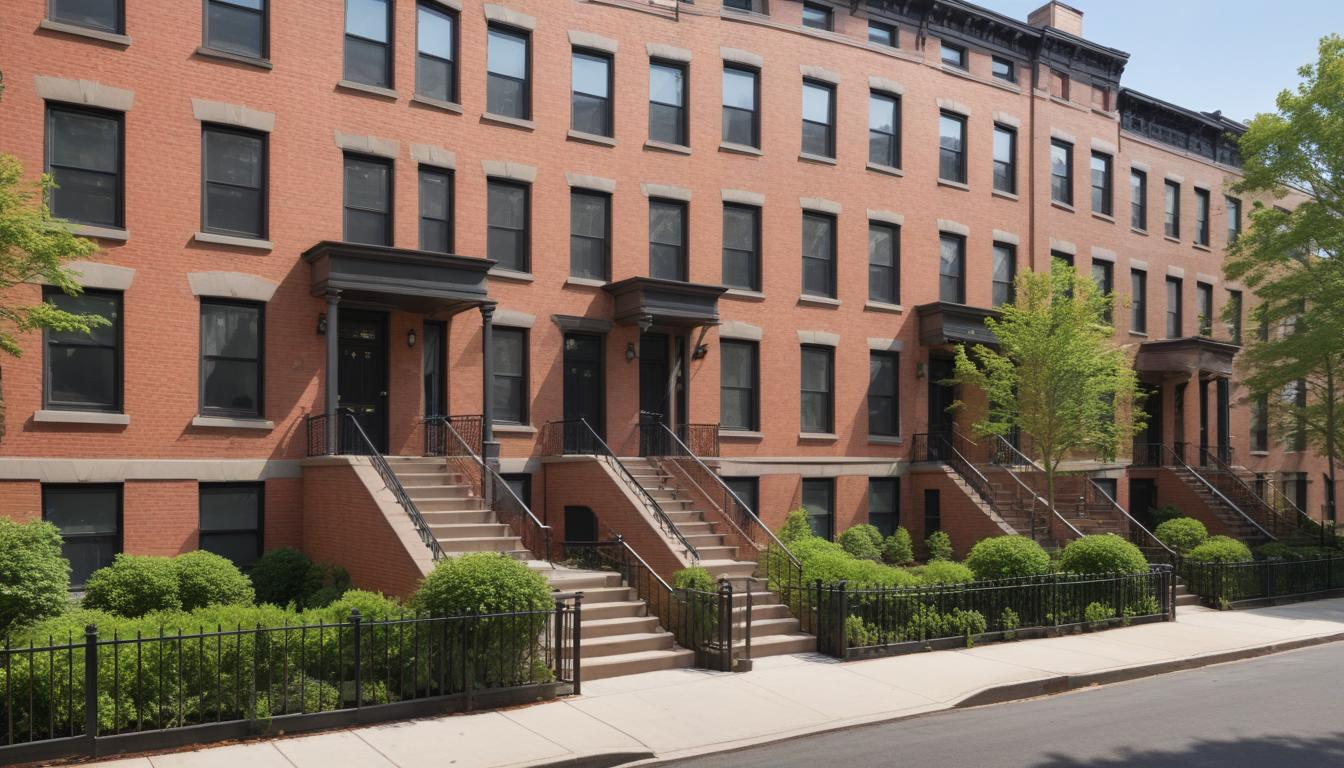
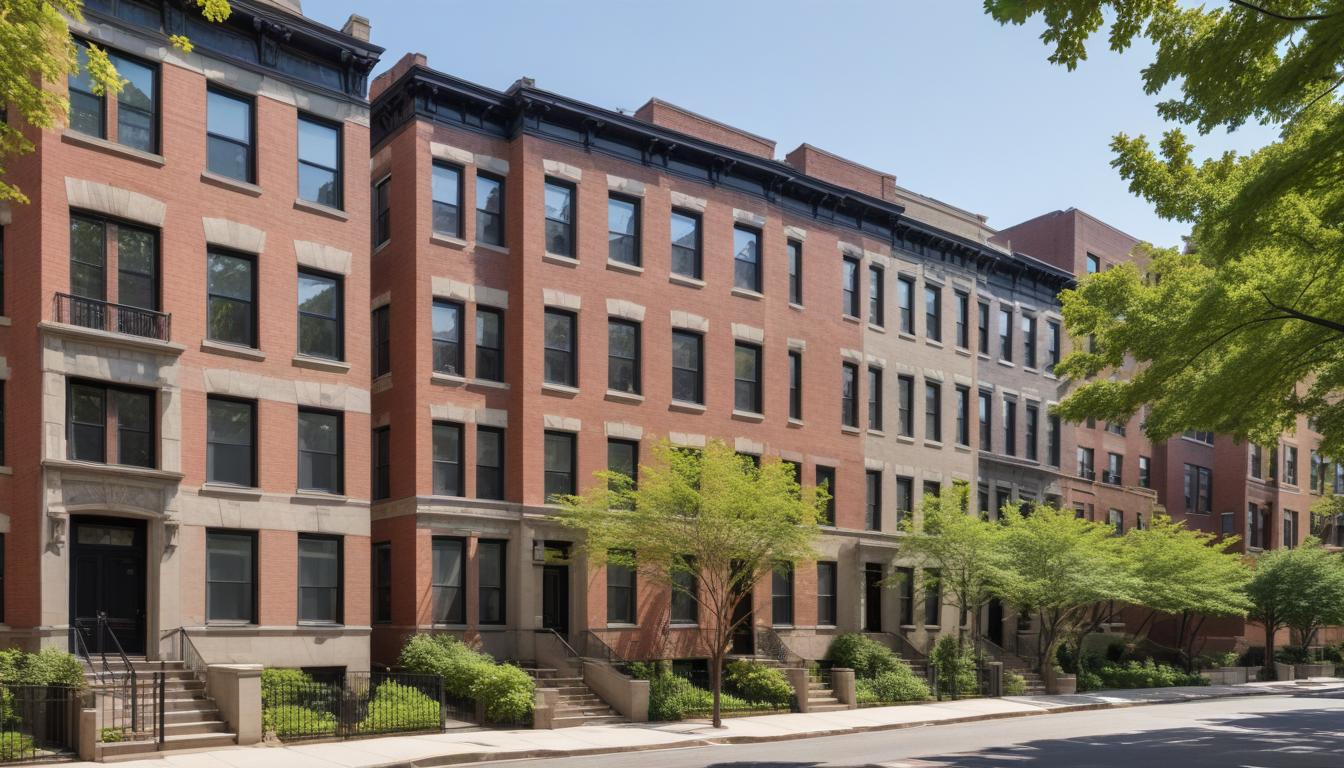
The rental market in New York City has become a study in asymmetrical pressure. While headlines focus on skyrocketing rents in neighborhoods like Astoria and Park Slope—where a two-bedroom now routinely commands $3,200 monthly—a quieter crisis is unfolding behind closed doors: landlords struggling with property taxes, maintenance costs, and regulatory compliance are passing those burdens directly to tenants, many of whom are already stretching their budgets to the limit.
Property owners operating mid-sized buildings across outer boroughs report operating costs have increased 18-22% over the past three years, driven by rising water bills, energy expenses, and mandatory building compliance upgrades. For a typical 20-unit building in Sunset Park or Ridgewood, annual property tax increases alone can exceed $40,000. Faced with these pressures, many landlords see rent increases as their only lifeline—despite rent-stabilization laws that cap increases at 3% annually for regulated units. Those managing market-rate properties have far fewer constraints, creating a two-tiered system that punishes tenants in unregulated apartments while protecting others.
The Human Rights Watch housing report documented that over 650,000 New York City renter households spend more than 50% of income on housing—a threshold that typically precedes eviction. Legal aid organizations across Manhattan and Brooklyn report increased filings for non-payment cases, particularly in gentrifying neighborhoods where older stock has been converted to market-rate units.
Community organizations like the Coalition for the Homeless and Local Law Enforcement Housing Project have intensified advocacy for stronger tenant protections and affordable housing requirements. The city's recent expansion of accessory dwelling unit zoning in outer-borough neighborhoods like Forest Hills and Bay Ridge represents one policy attempt to increase supply, though critics argue it won't address immediate affordability pressures.
Some landlords have begun exploring alternative models: lease stabilization agreements that cap annual increases, participation in the Housing Authority's affordable housing preservation programs, and partnerships with nonprofits managing mixed-income buildings. Meanwhile, tenant unions in neighborhoods from Williamsburg to Sunset Park are organizing rent strikes and collective bargaining efforts.
The fundamental tension remains unresolved: without addressing landlords' legitimate cost pressures, the incentive to maintain or build rental housing erodes. Without meaningful protections for tenants, displacement accelerates. New York's affordable housing crisis won't resolve through market forces alone—it requires coordinated policy action that acknowledges both sides' constraints.
This article was compiled by AI from the sources linked above and screened before publishing. See our editorial standards.