The ultra-luxury Manhattan market—transactions north of $5 million—is experiencing a recalibration that's reshaping both pricing strategies and buyer expectations in 2026. After years of seemingly unstoppable appreciation, savvy high-net-worth purchasers are discovering that prestige alone no longer guarantees six-figure price jumps.
The shift stems from three colliding forces. First, sustained interest rates in the 6-7% range have cooled the all-cash buyer advantage that dominated the market through 2024. Many international purchasers, particularly from Europe and Asia, face currency headwinds and elevated borrowing costs that weren't factors two years ago. Second, the median Manhattan co-op and condo price hovering near $1.3 million has created inventory fragmentation—fewer trophy properties are hitting the market, making comparables harder to establish. Third, regulatory headwinds around foreign investment disclosure and New York State's recently expanded transfer tax on purchases above $3 million have compressed the buyer pool at the very top.
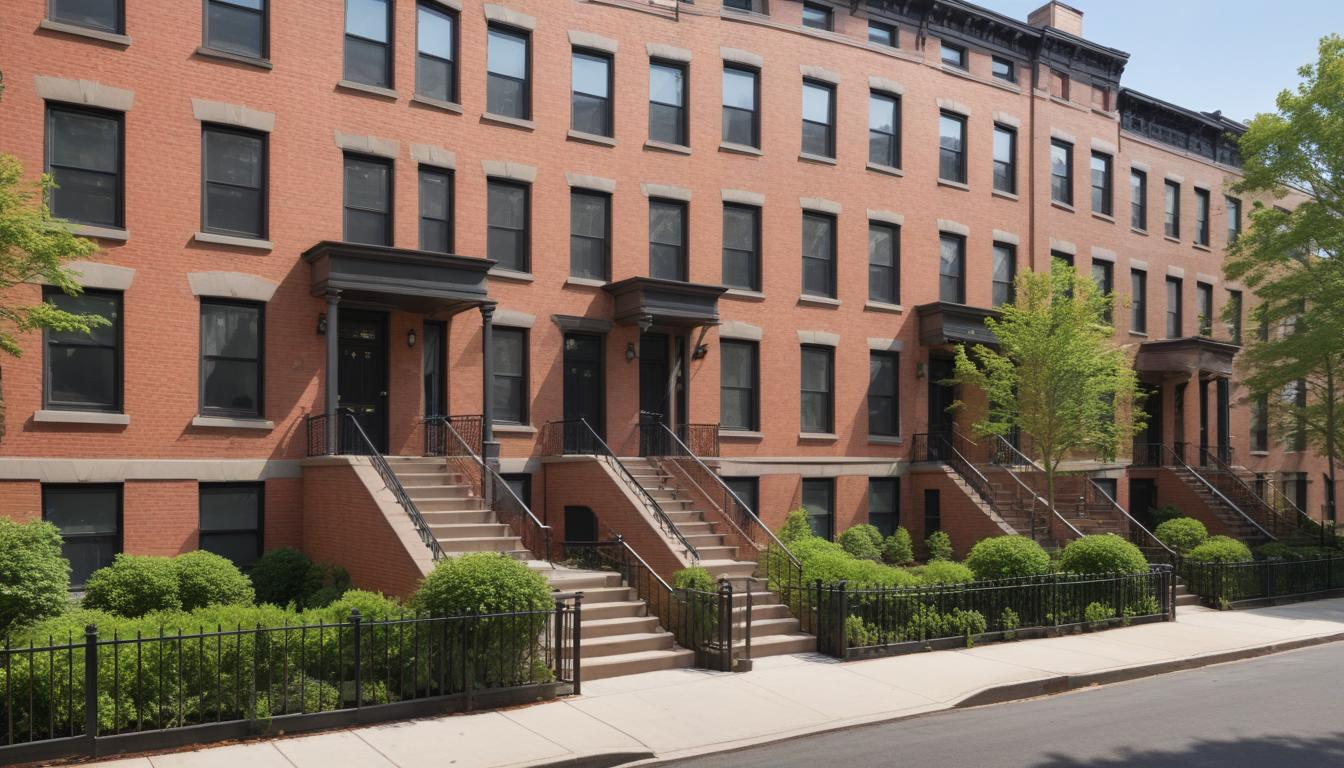
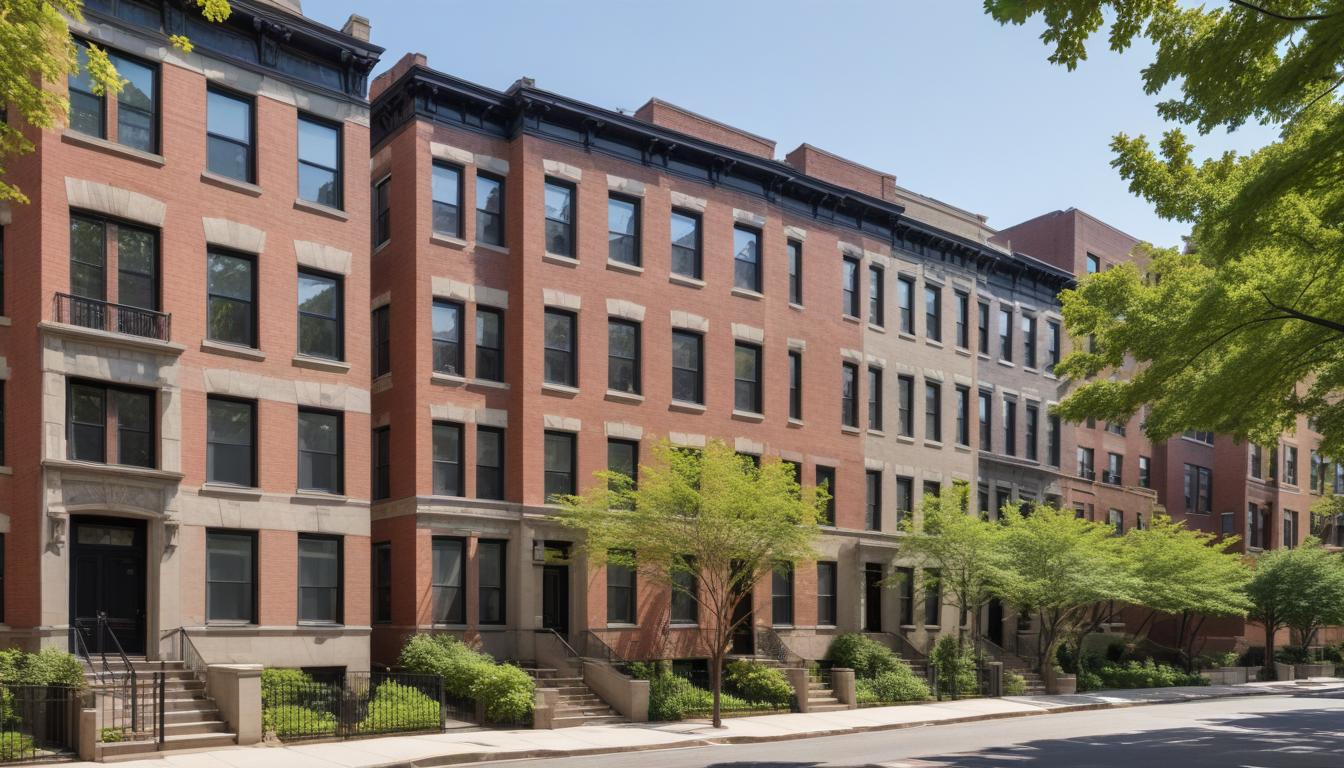
On the Upper East Side near Central Park, where Gilded Age townhouses and newly converted penthouses typically commanded $15-25 million, agents are reporting longer holding periods and more negotiation flexibility than the previous five years. A recent $18 million sale on East 72nd Street closed below the original asking price—a scenario nearly unthinkable in 2023. Meanwhile, Tribeca, long a hedge fund and tech executive stronghold, is seeing renewed competition from Brooklyn Heights and Park Slope, where renovated brownstones and new construction now routinely price above $8 million.
The data reveals nuance: Manhattan's ultra-luxury segment hasn't contracted sharply, but growth has plateaued. According to available market data, ultra-prime transactions in the first half of 2026 were up modestly in volume but showed modest price appreciation compared to the previous two years.
What does this mean for buyers? Location specificity matters more than ever. Apartments with Central Park exposure, waterfront access in Hudson Yards, or historic significance in Greenwich Village command premium valuations. Conversely, properties requiring extensive renovation or lacking distinctive character are vulnerable to repricing.
Institutional buyers—REITs and wealth funds—are now more active, focusing on stabilized trophy assets rather than speculative flips. This signals a normalization toward long-term value rather than short-term appreciation.
The bottom line: luxury isn't disappearing in Manhattan. It's maturing. Buyers entering this market should prioritize location pedigree, condition quality, and realistic exit strategies over speculative upside. The era of passive price appreciation has given way to one demanding strategic selection.
This article was compiled by AI from the sources linked above and screened before publishing. See our editorial standards.