Why NYC Rental Vacancy Rates Are Collapsing—and What That Means for Your Wallet
Supply shortages and migration patterns are reshaping the market; here's how renters can navigate a tightening landscape.
Supply shortages and migration patterns are reshaping the market; here's how renters can navigate a tightening landscape.
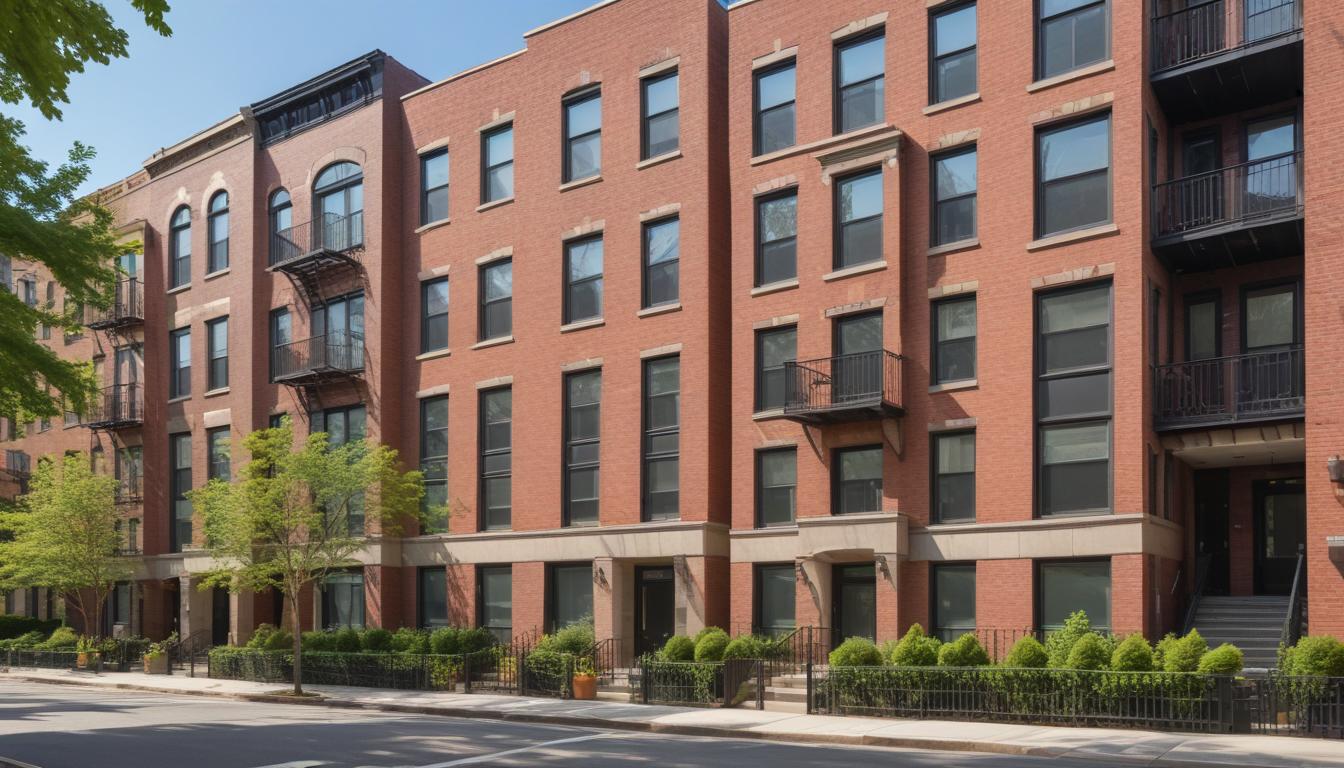
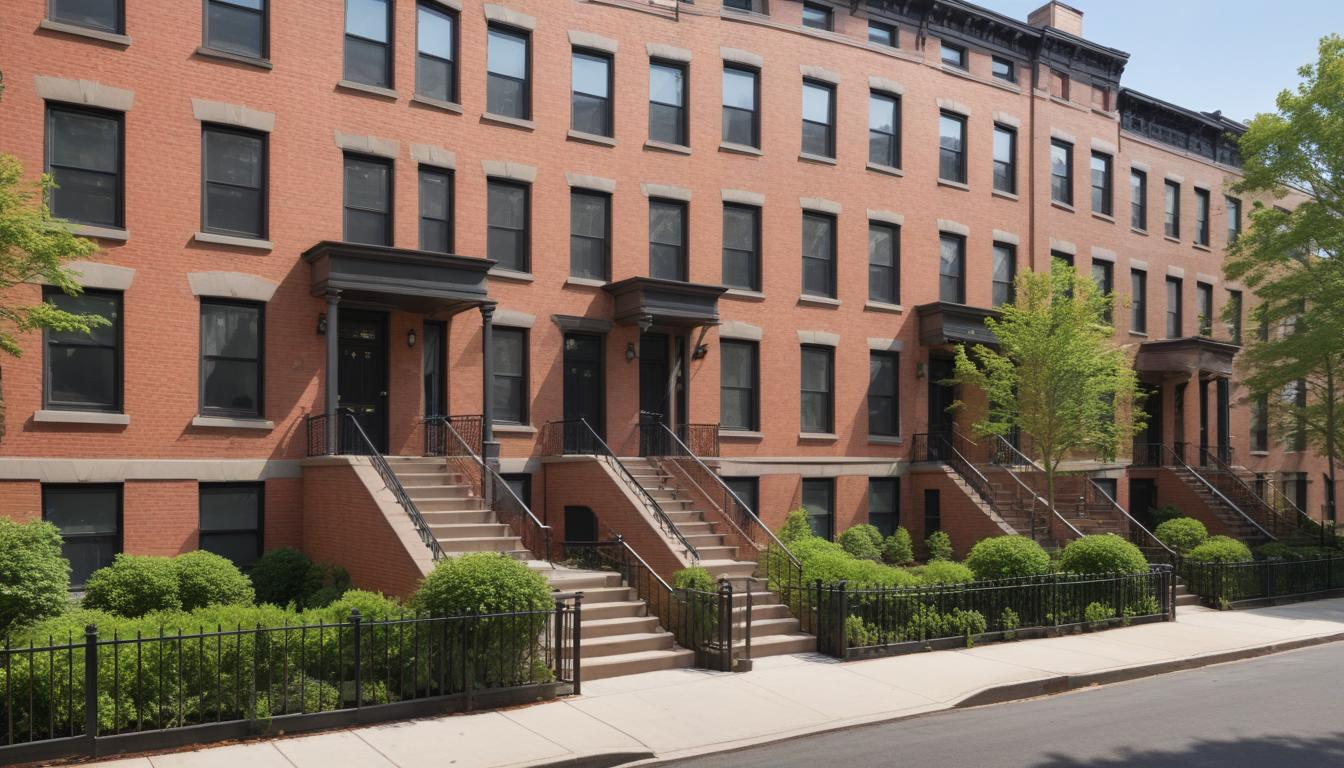
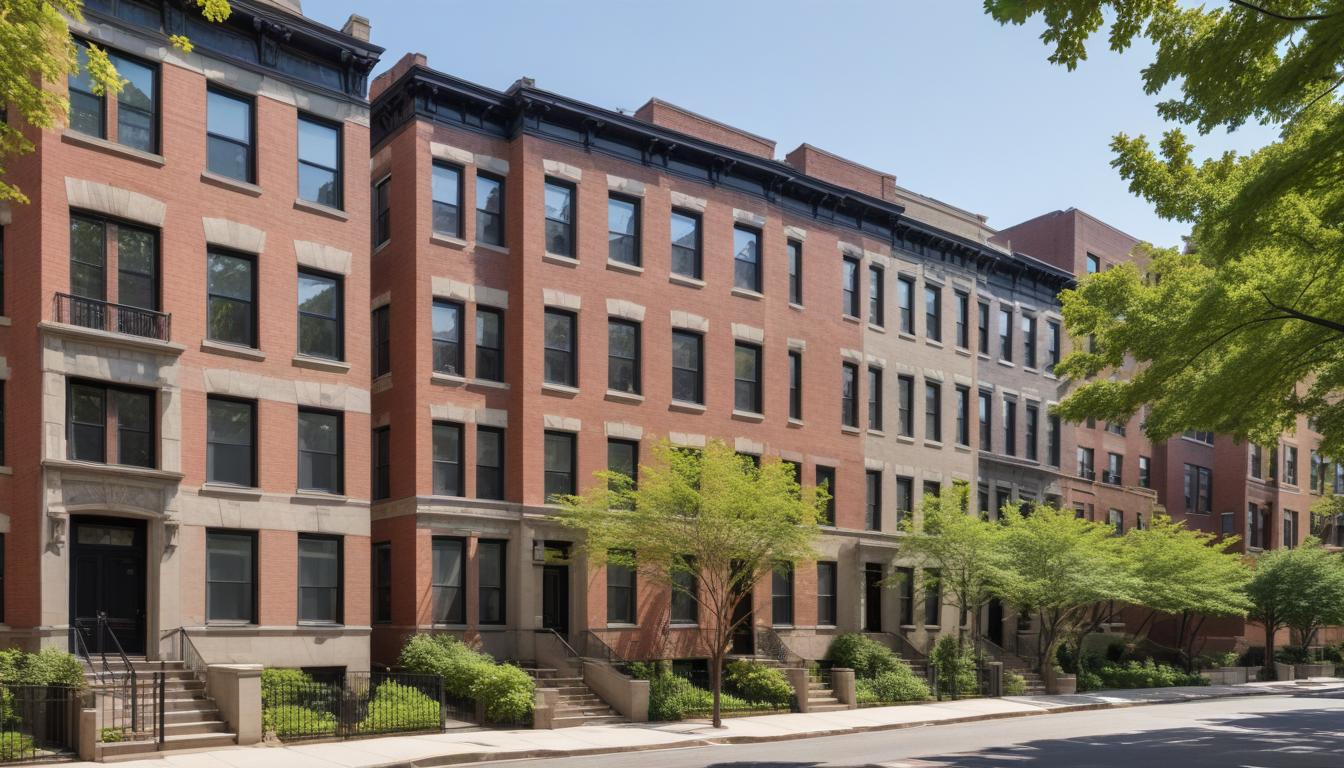
New York's rental market is entering uncharted territory. Vacancy rates across the five boroughs have fallen below 3% in most prime neighborhoods, a sharp reversal from the pandemic-era glut that left landlords scrambling for tenants. For renters—and prospective buyers evaluating investment properties—understanding what's driving this shift is essential.
The numbers tell a stark story. In Manhattan, luxury rental buildings are reporting occupancy rates exceeding 97%, with rents in doorman buildings along the Upper West Side and Upper East Side climbing 8-12% annually. Brooklyn hotspots like Williamsburg, Park Slope, and Carroll Gardens have seen similar pressure, with one-bedroom apartments now routinely fetching $2,400 to $2,800 monthly. Queens, long positioned as the market's growth engine, is tightening too; Long Island City and Astoria vacancy rates have compressed to near-historic lows.
Three factors explain this squeeze. First, housing production hasn't kept pace with demand. While the city expanded ADU zoning rules to encourage basement apartments and accessory units, actual construction lags behind population inflows. Second, migration patterns shifted dramatically: remote work loosened geographic anchors, but rising interest rates and suburban affordability challenges have pushed professionals back into the five boroughs. Third, institutional investors and small landlords alike reduced listings as carrying costs climbed and Section 8 regulatory pressures intensified.
For renters, this environment demands strategic thinking. Securing a lease before autumn—traditionally the slowest rental season—remains wise, though the advantage has shrunk. Building relationships with brokers and neighborhood agents yields better intel on off-market listings. Offering longer lease terms (18-24 months) can yield modest concessions. In neighborhoods like Sunset Park or parts of the Lower East Side, where vacancies remain above 4%, leverage still exists.
Buyers face a related calculus. Investment properties—whether for long-term rental income or eventual owner-occupancy—command premium prices precisely because supply-constrained markets promise stable returns. A studio in a 50-unit building on the West Village's Charles Street will command higher capitalization rates than a standalone house upstate, but vacancy risk remains minimal. The median NYC rental property valuation has climbed 18% in three years, outpacing the broader housing market.
For those seeking entry points, less-saturated neighborhoods merit attention. Kew Gardens in Queens, select patches of Washington Heights, and emerging areas near the High Line's extension offer better value—and meaningful vacancy rates above 4%. The market's rigidity now rewards those willing to move slightly off the beaten path.
This article was compiled by AI from the sources linked above and screened before publishing. See our editorial standards.
How does this story make you feel?
Spread the word
About this article
Published by The Daily New York
Daily brief
Free, in your inbox before 7am. Weekdays.
More in Property