How NYC's Zoning Shifts Are Reshaping Investment Property Returns
With new housing policies rewriting the rulebook in neighbourhoods from Astoria to Sunset Park, landlords are recalculating yields—and discovering unexpected opportunities.
With new housing policies rewriting the rulebook in neighbourhoods from Astoria to Sunset Park, landlords are recalculating yields—and discovering unexpected opportunities.
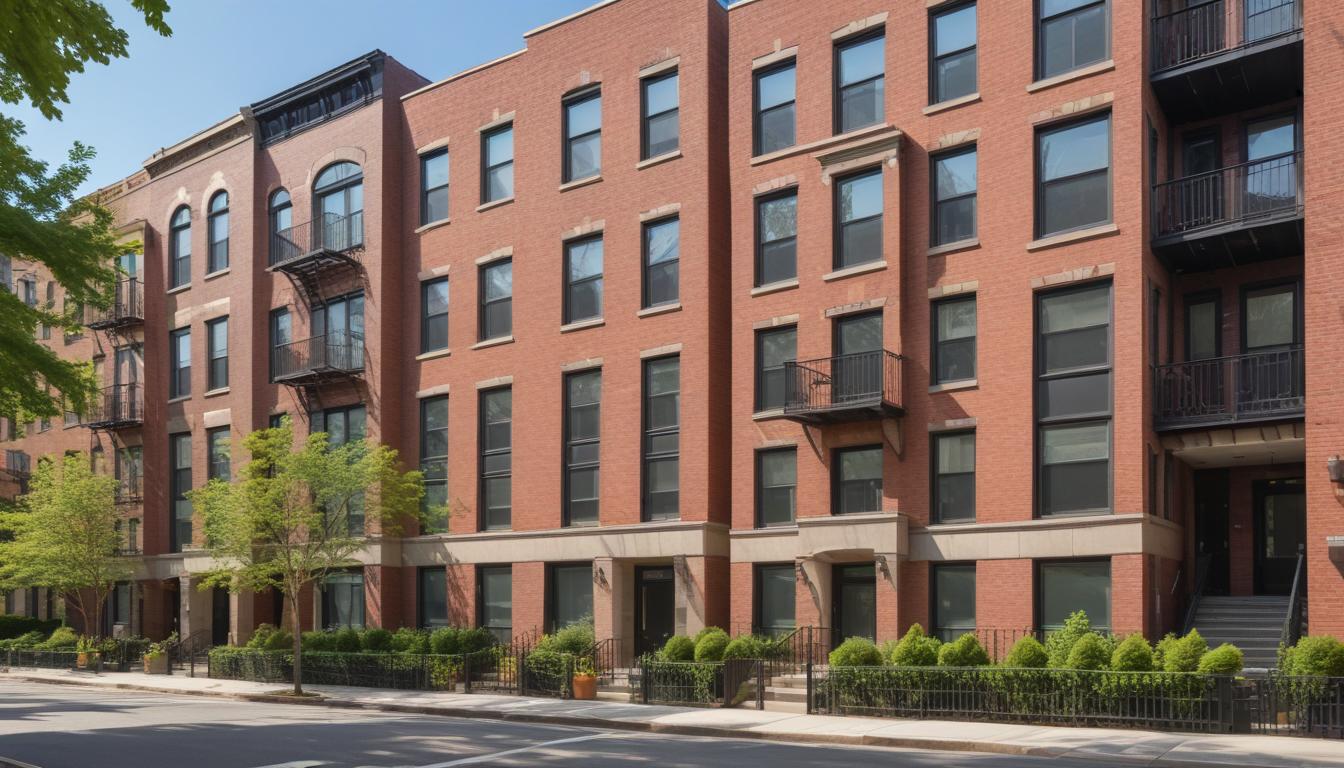
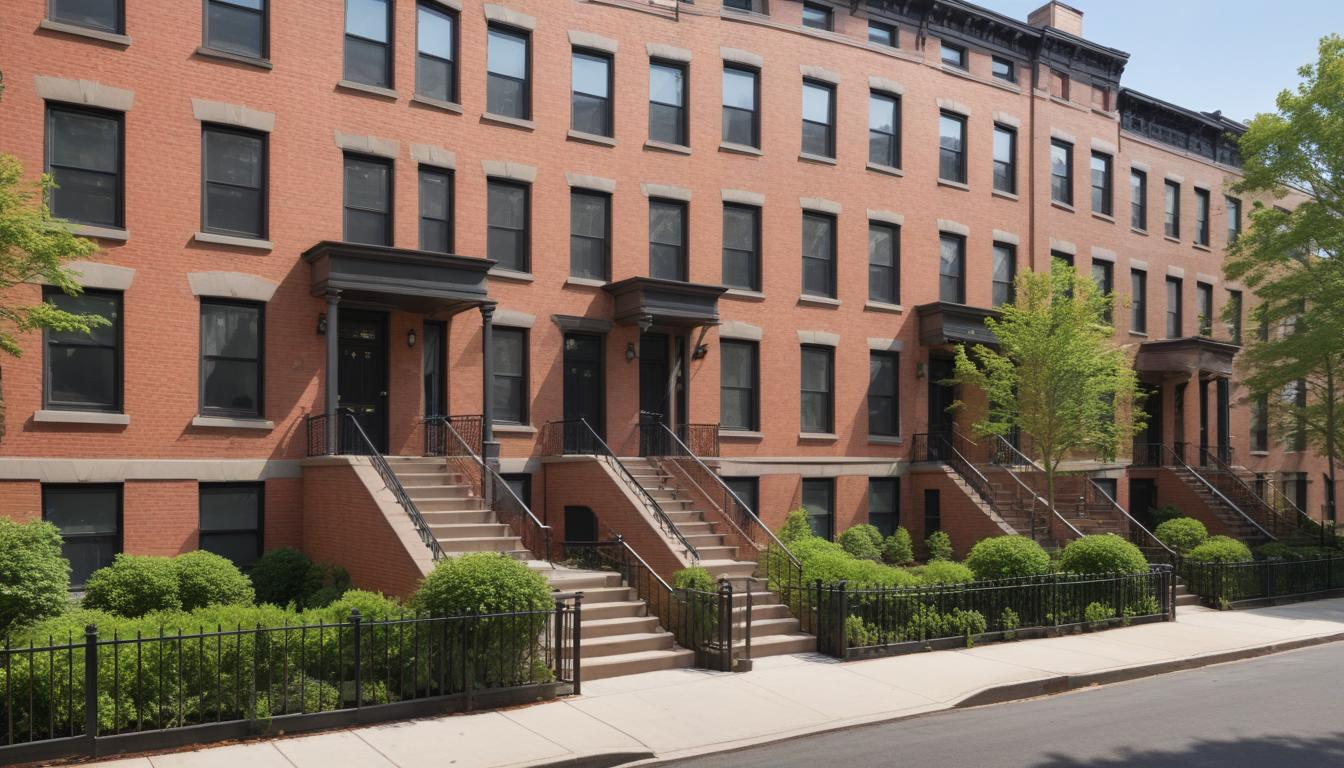
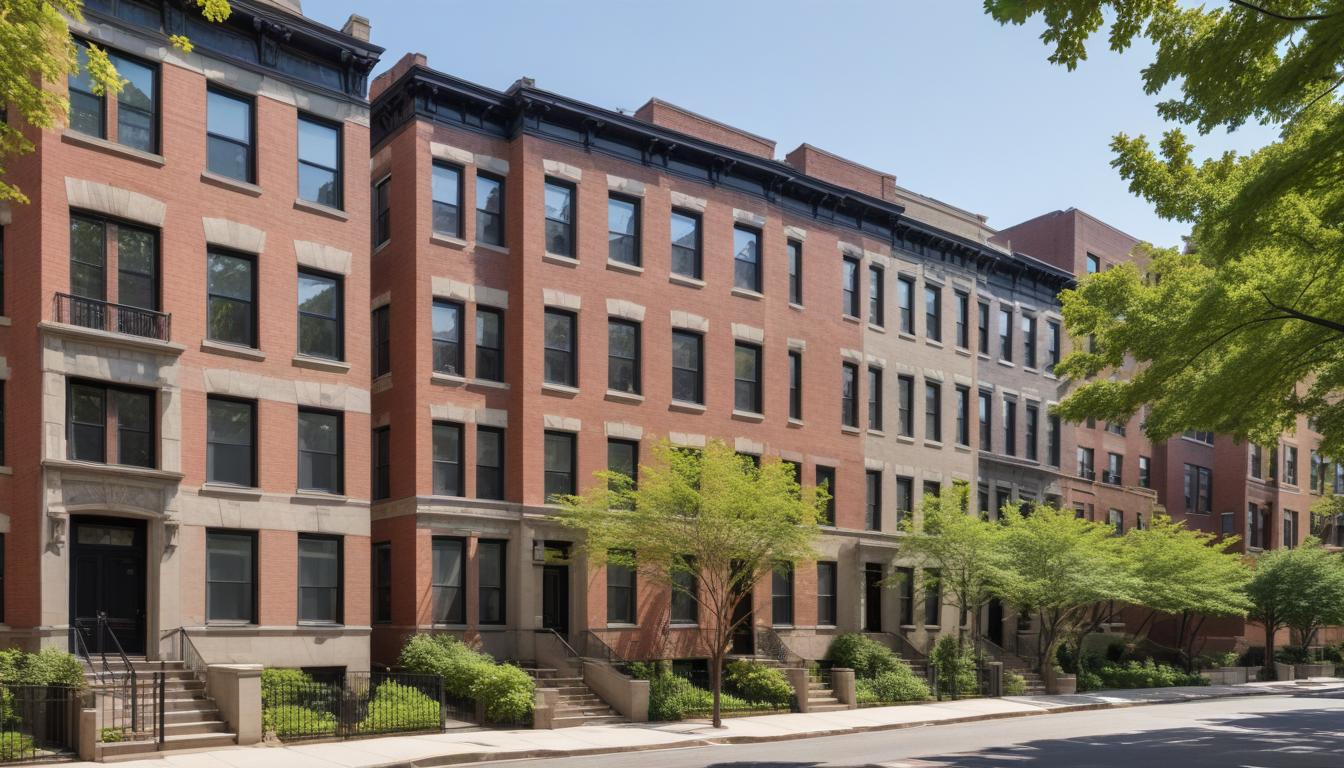
New York's investment property market has always been driven by scarcity and regulation. But the past eighteen months of zoning reforms have created a rare moment: landlords who understand the policy landscape are repositioning portfolios while others miss the shift.
The catalyst is clear. The city's recent expansion of accessory dwelling unit (ADU) permissions across single-family neighbourhoods—particularly in outer-borough areas like Forest Hills, Bayside, and parts of Sunset Park—has fundamentally altered yield calculations for small-scale landlords. A modest three-bedroom home in Forest Hills that once maxed out at $3,500 monthly rent can now legally support an ADU generating an additional $1,800–$2,200, lifting gross yields from 4.2% to roughly 6.1% on acquisition costs hovering around $850,000.
The Department of City Planning's recent approval of mixed-use zoning amendments along commercial corridors—including Jamaica Avenue in Queens and Atlantic Avenue near Brooklyn Heights—has similarly created pockets of value. Investors with properties straddling retail and residential zones are now factoring in the possibility of ground-floor commercial redevelopment, a permission that was administratively complex just two years ago.
But policy tailwinds have limits, and savvy investors are learning to read the fine print. The city's concurrent push for community land trusts and preservation requirements in high-demand areas means some neighbourhoods—particularly along the Williamsburg waterfront and certain Astoria corridors—are seeing regulatory hurdles that suppress traditional investor returns. Properties in designated preservation districts may qualify for tax abatements, but they come with deed restrictions that cap rental increases and limit exit strategies.
Real estate professionals working with investors across the five boroughs report a stark bifurcation. Those tracking Department of Finance rule changes and Community Board decisions—especially regarding building height allowances and parking requirements—are moving quickly into policy-advantaged areas. Astoria, where recent zoning amendments permit higher residential density near transit, is seeing investor activity spike. Conversely, neighbourhoods where Community Boards have successfully blocked density increases are showing flattening yields and longer holding periods.
The lesson for landlords is uncomfortably simple: yield optimisation is no longer just about location and tenant demand. It's about reading the regulatory cycle. The properties generating 6%+ returns today are often those sitting in neighbourhoods where policy has just shifted in their favour—but where the broader market hasn't yet recalibrated pricing. That window, historically, stays open for 8–18 months.
For investors with longer time horizons, tracking NYC's housing pipeline and zoning initiatives isn't optional—it's foundational.
This article was compiled by AI from the sources linked above and screened before publishing. See our editorial standards.
How does this story make you feel?
Spread the word
About this article
Published by The Daily New York
Daily brief
Free, in your inbox before 7am. Weekdays.
More in Property