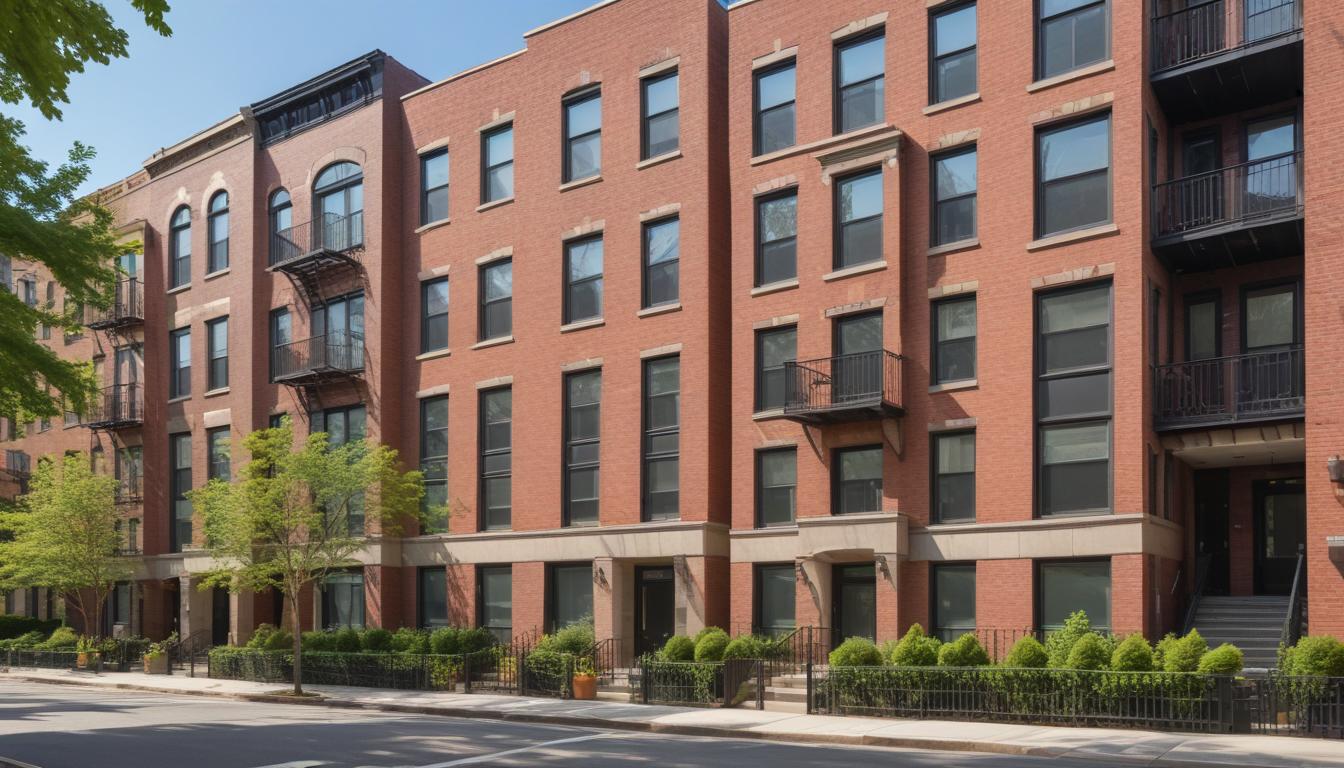
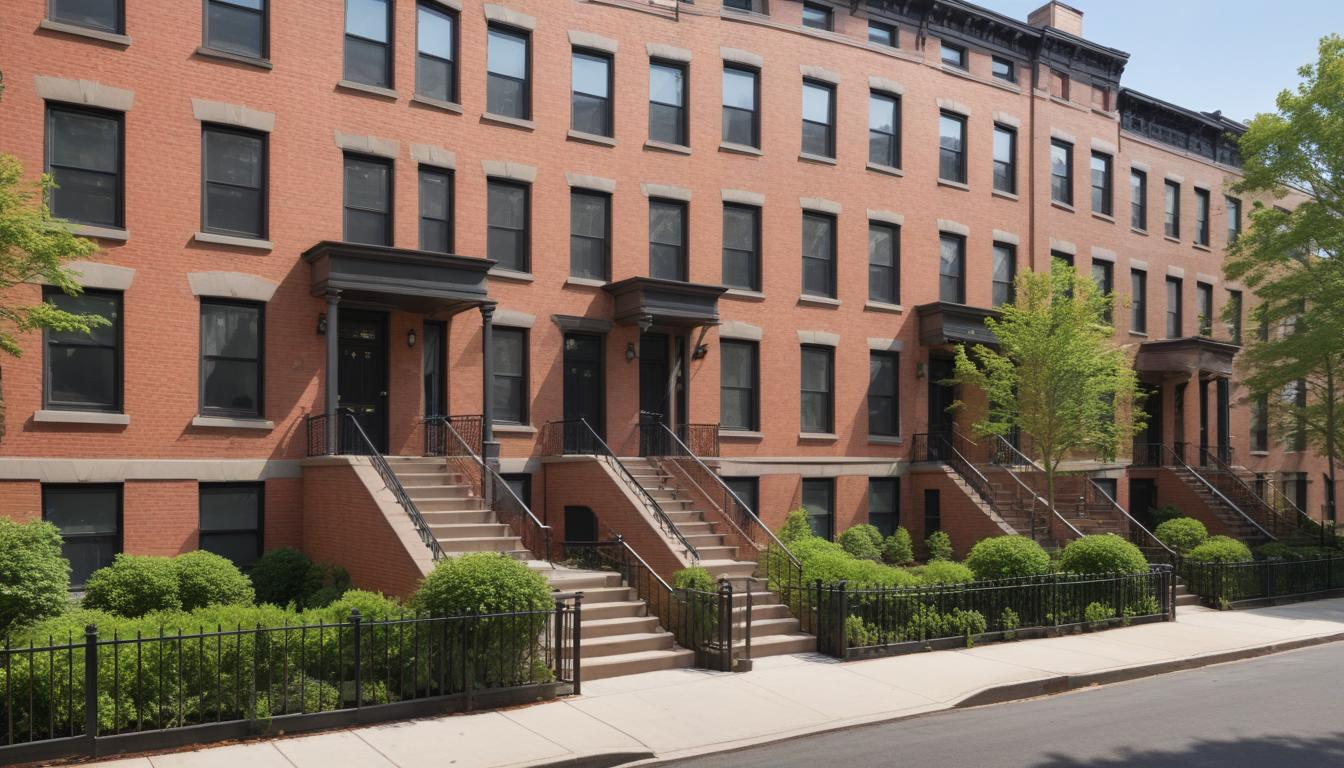
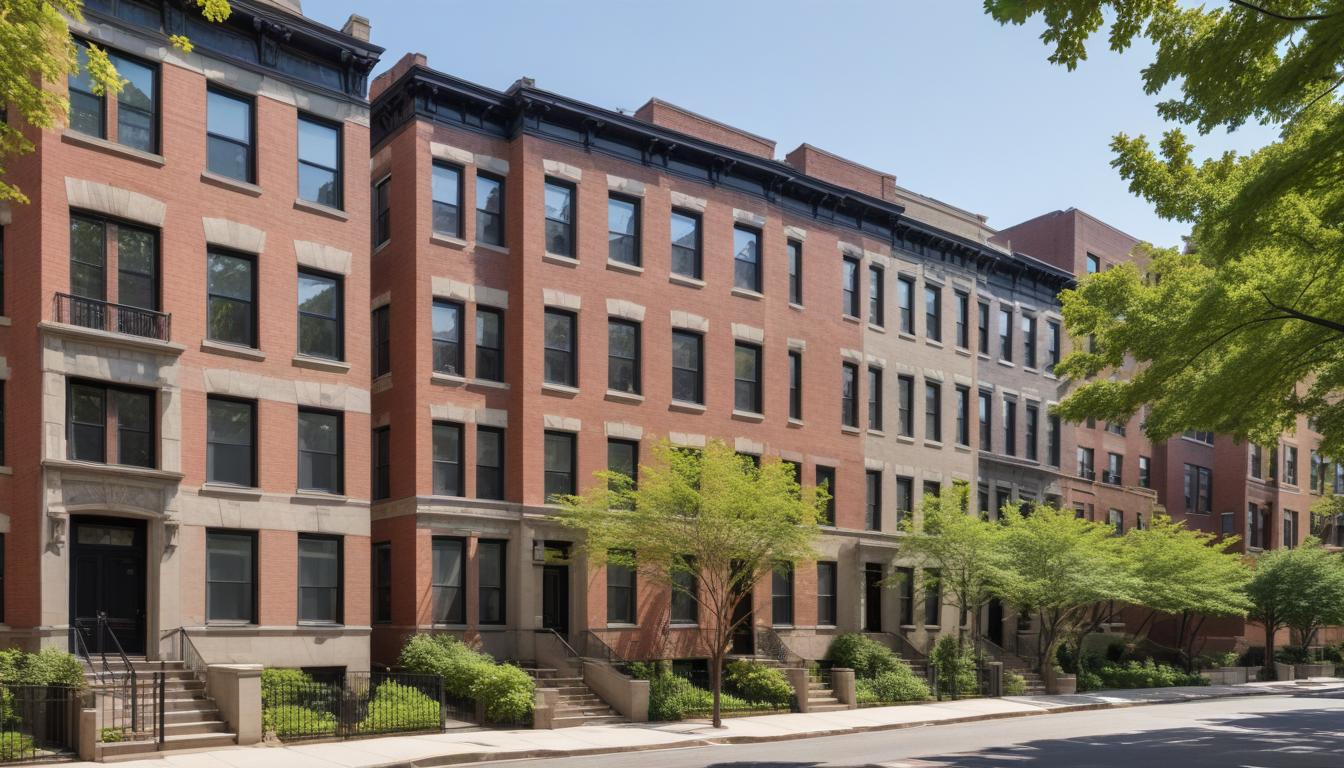
Astoria has long punched above its weight as a Queens neighbourhood—tree-lined streets, waterfront parks, and a thriving cultural scene have made it a magnet for young professionals priced out of Brooklyn and Manhattan. But what's transforming it into an emerging investment hotspot is something less visible: a coordinated push to embed affordable housing into its future.
The numbers tell the story. Median rents in Astoria have climbed from $2,400 to $2,850 in the past three years, yet new development is increasingly subject to the city's mandatory inclusionary housing rules. The city's zoning changes, accelerated through the Astoria Cove rezoning and ongoing waterfront development plans along the East River, require between 25 and 35 percent of new units to remain permanently affordable—a regulatory tailwind that appeals to mission-driven developers and institutional investors alike.
"The arbitrage is simple," says housing analysts tracking the outer boroughs. "You build a mixed-income tower on a rezoned lot, lock in affordable units for 30 years under Section 421-a extensions or permanent affordability covenants, and you've created stable, long-term cash flow." For investors managing institutional capital—whether pension funds, insurance companies, or nonprofit housing operators—that predictability is gold in a market where Manhattan co-op prices hover above $1.3 million.
On the ground, the shift is visible. Astoria Houses, a 750-unit mixed-income development near the Ditmars Boulevard corridor, combines market-rate apartments with units reserved for households earning 60 to 120 percent of area median income. Similar projects are in planning stages near Astoria Park and along the waterfront, where restored piers and the new Queens Plaza transit hub have already begun attracting retail and office tenants.
For residential investors, the appeal extends beyond ideology. Permanent affordability requirements reduce speculative flipping, stabilize tenant bases, and attract philanthropic investment and favorable financing terms. Banks and lenders increasingly price affordable housing developments more competitively, recognizing lower default rates and consistent rental income.
The neighbourhood's $800,000 median home price—still well below Brooklyn heights but rising steadily—leaves room for appreciation. Young families are buying into Astoria not just for today's livability, but for the infrastructure bet: the Second Avenue Subway extension, the waterfront greenway, and the knowledge that affordability mandates will keep the community economically mixed.
For property investors hunting the next play, Astoria represents a rare alignment: regulatory support for density, demographic tailwinds, and built-in affordability constraints that reduce boom-and-bust cycles. In a city where housing scarcity drives policy, neighbourhoods that can deliver both growth and equity are becoming the smartest bets.
This article was compiled by AI from the sources linked above and screened before publishing. See our editorial standards.