Long Island City's New Towers Are Reshaping Rental Vacancy—And What Tenants Need to Know
As 15,000+ units hit the market across Queens' waterfront, renters face a rare window of negotiating power—but competition for neighborhoods remains fierce.
As 15,000+ units hit the market across Queens' waterfront, renters face a rare window of negotiating power—but competition for neighborhoods remains fierce.
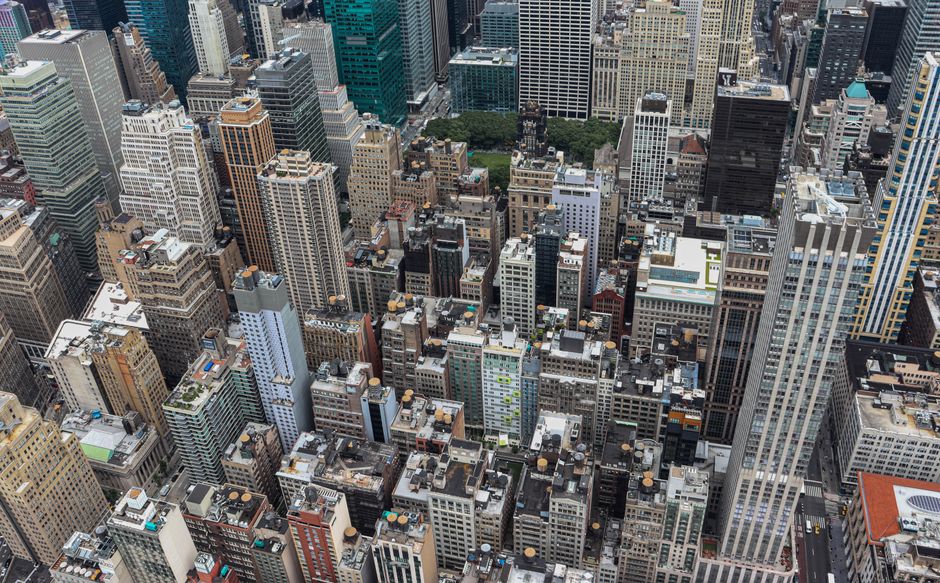
For the first time in a decade, New York's rental market is breathing. The citywide vacancy rate ticked up to 3.8% in May 2026, a modest but meaningful shift that signals a turning point—one driven almost entirely by new development flooding specific neighborhoods with supply.
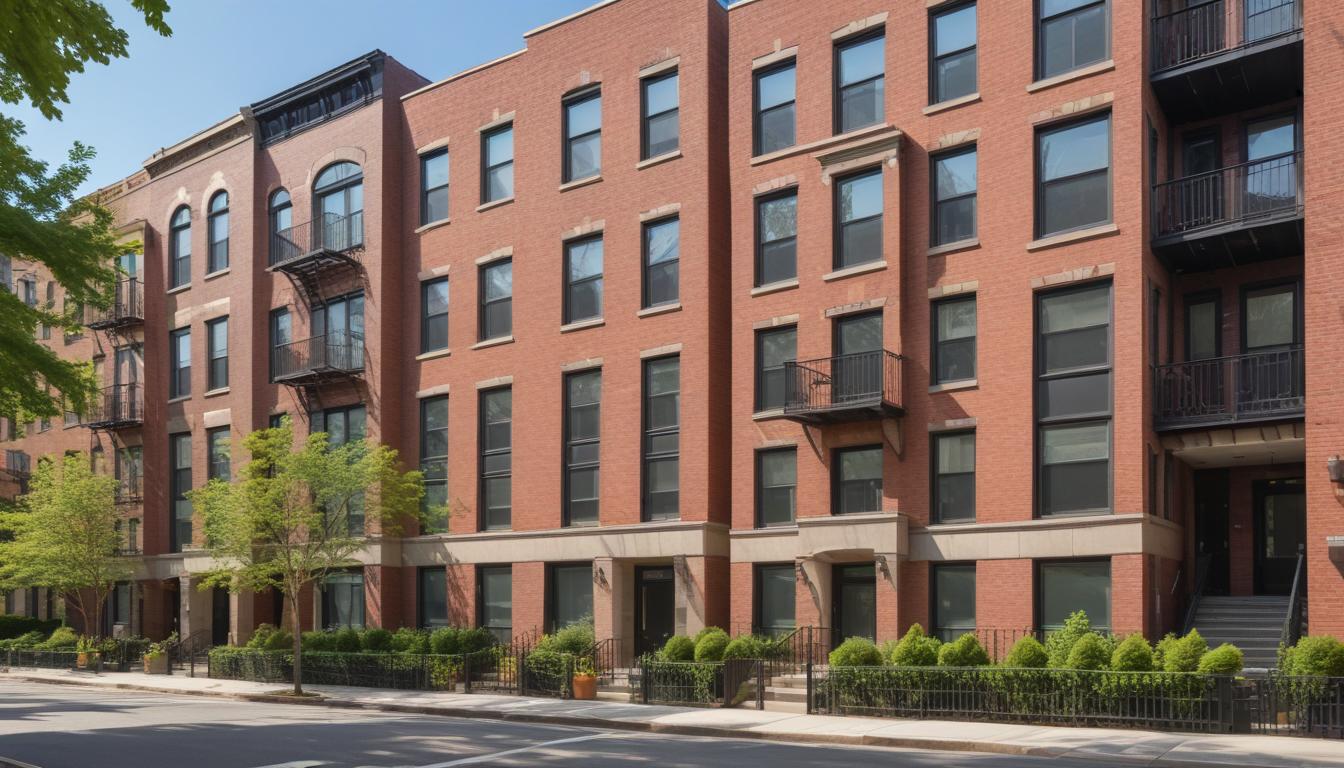
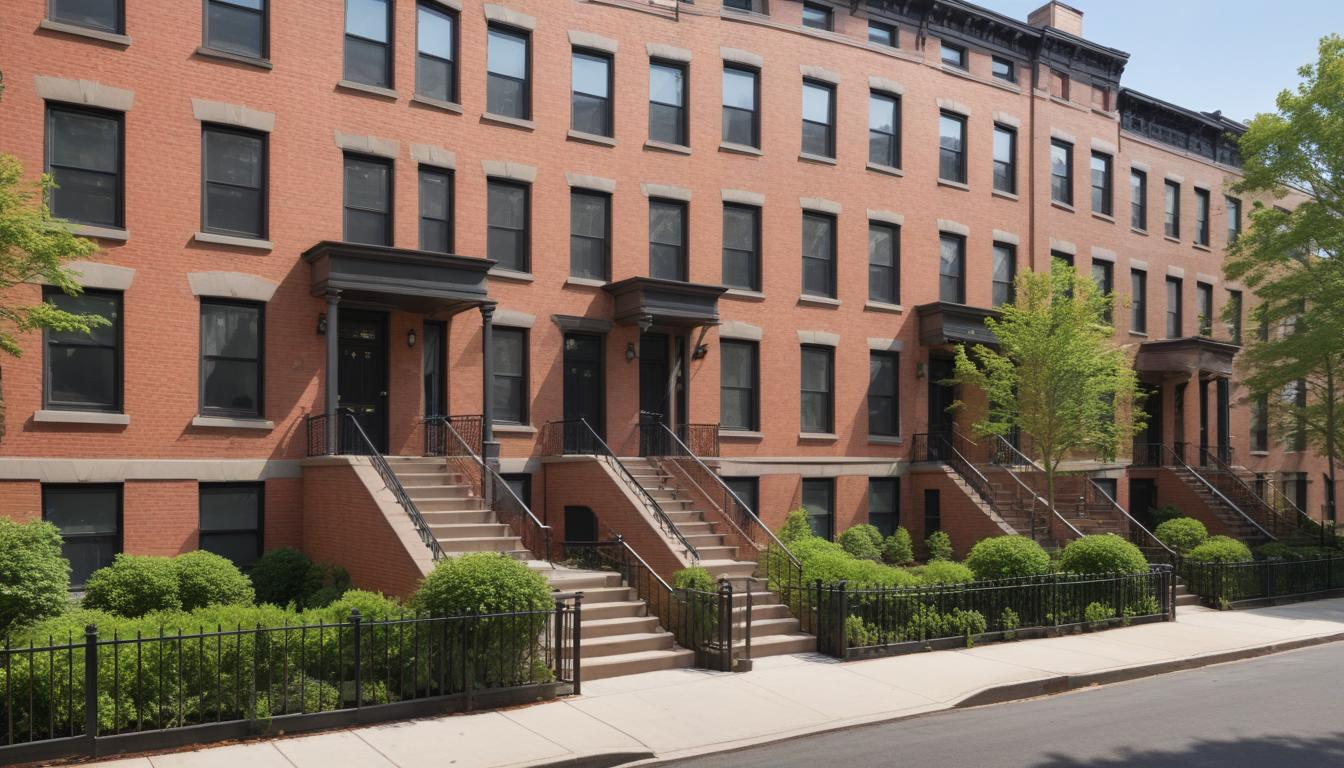
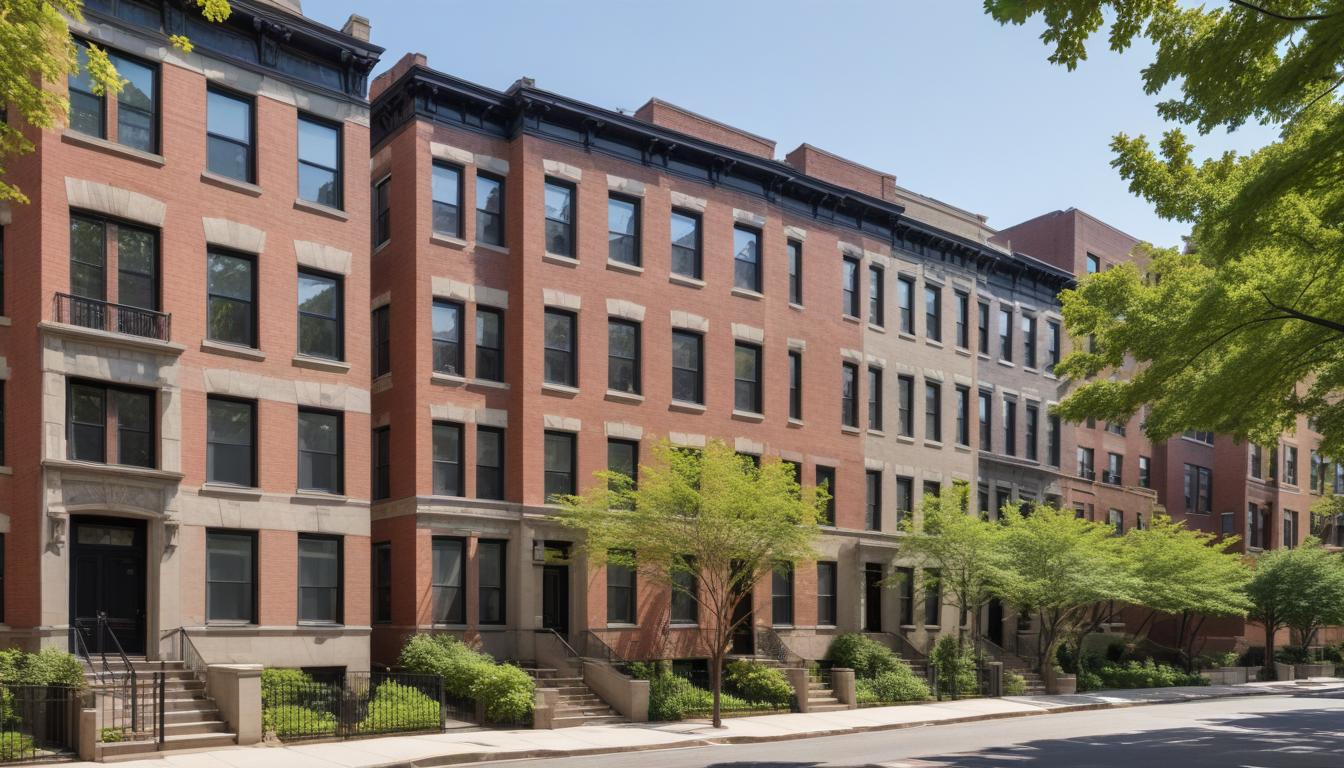
Long Island City has become ground zero for this transformation. The completion of three major residential complexes along the Queens Plaza corridor—totaling roughly 4,200 units—has pushed the neighborhood's vacancy rate to 2.1%, the highest since 2015. Meanwhile, Astoria's expanding waterfront has absorbed another 2,800 units over 18 months, creating pockets of genuine choice for renters priced out of Manhattan.
The implications ripple outward. A one-bedroom in Long Island City now averages $2,850 monthly—down 6% from peak pricing in late 2024. In Astoria, similar units hover around $2,400. For context, Manhattan's comparable units still command $3,200+, making the Queens corridor increasingly attractive to young professionals and families.
But here's the caveat: not all neighborhoods are created equal. While Long Island City and Astoria benefited from major investment, areas without pipeline projects—parts of Sunset Park, deeper into Jackson Heights—remain supply-constrained. The median rent there climbs steadily, now exceeding $2,100 for a one-bedroom.
For tenants navigating this landscape, the message is clear: geography matters intensely. A 10-minute walk from a major development site can mean hundreds of dollars in monthly savings. Renters should cross-reference new project completion timelines with neighborhood commute patterns. The M/R subway extension serving the Astoria waterfront, completed this spring, has become a decisive factor in lease negotiations.
Building management organizations like the NYC Housing Authority and community boards are watching closely. Community Board 1 in Long Island City recently convened forums addressing affordability amid rapid influx. The city maintains that vacancy rate increases—however modest—create negotiating leverage for tenants, reducing landlord-side leverage on lease terms.
Developers report that units in proximity to parks and transit rent 12% faster than comparable units elsewhere. The newly opened Anable Basin Park in Long Island City has become a prime amenity, and rents within two blocks reflect that premium.
For renters timing a move before fall lease season, the calculation is straightforward: neighborhoods with imminent or recent completions offer genuine alternatives to the standard landlord playbook. In a market long defined by scarcity, supply finally has something to say.
This article was compiled by AI from the sources linked above and screened before publishing. See our editorial standards.
How does this story make you feel?
Spread the word
About this article
Published by The Daily New York
Daily brief
Free, in your inbox before 7am. Weekdays.
More in Property