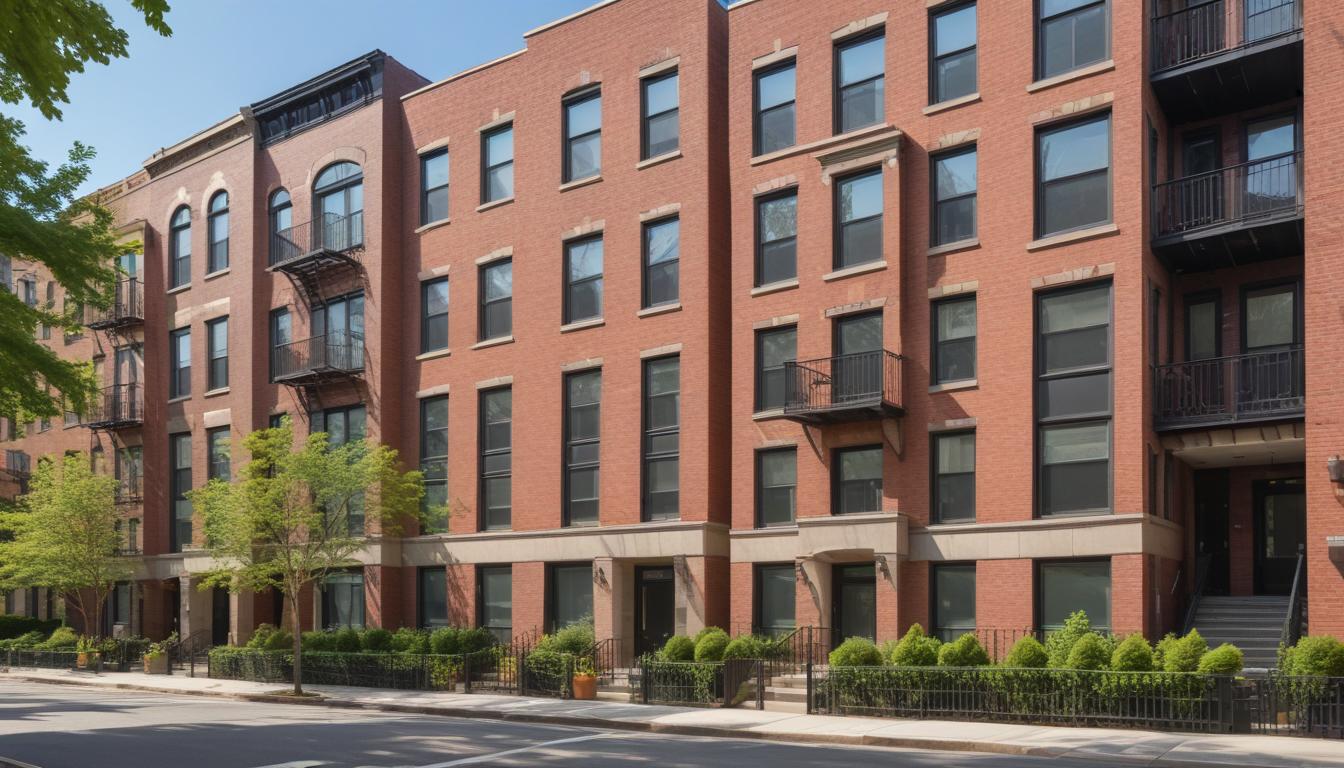
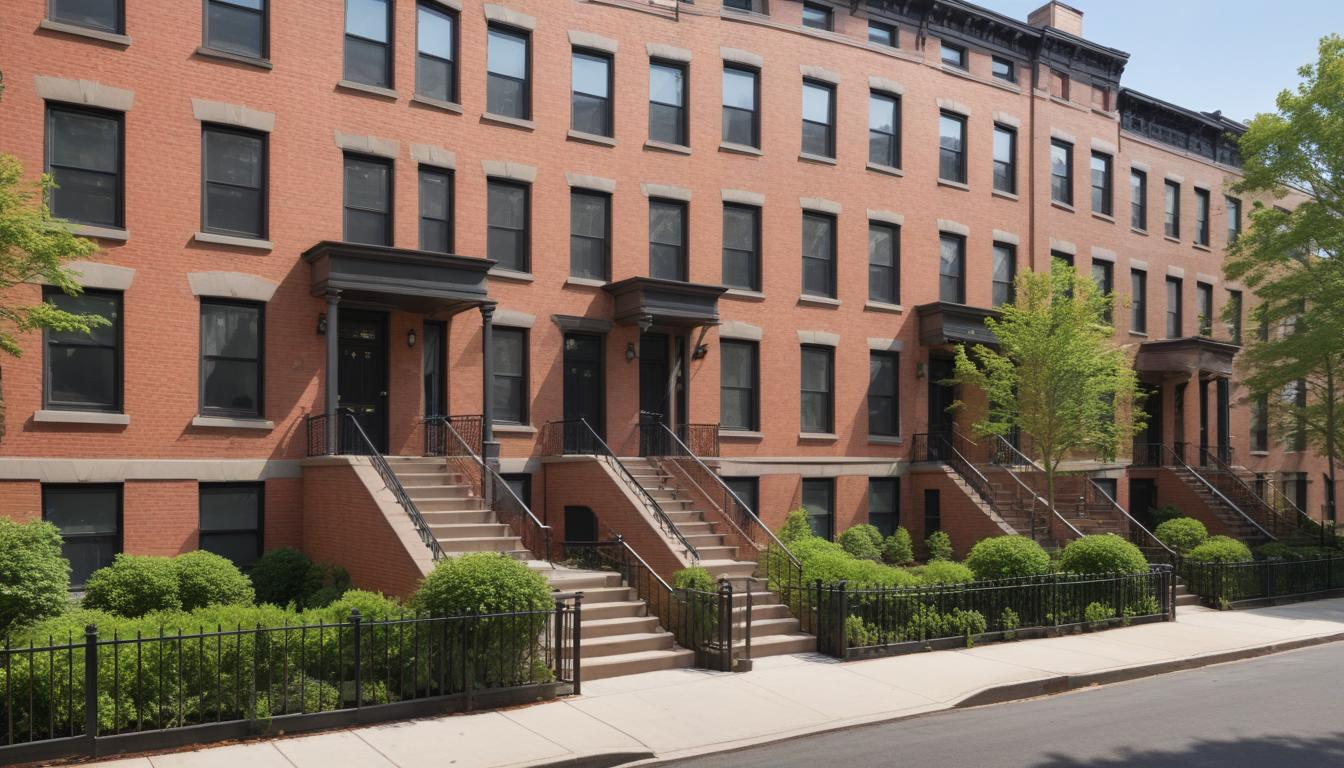
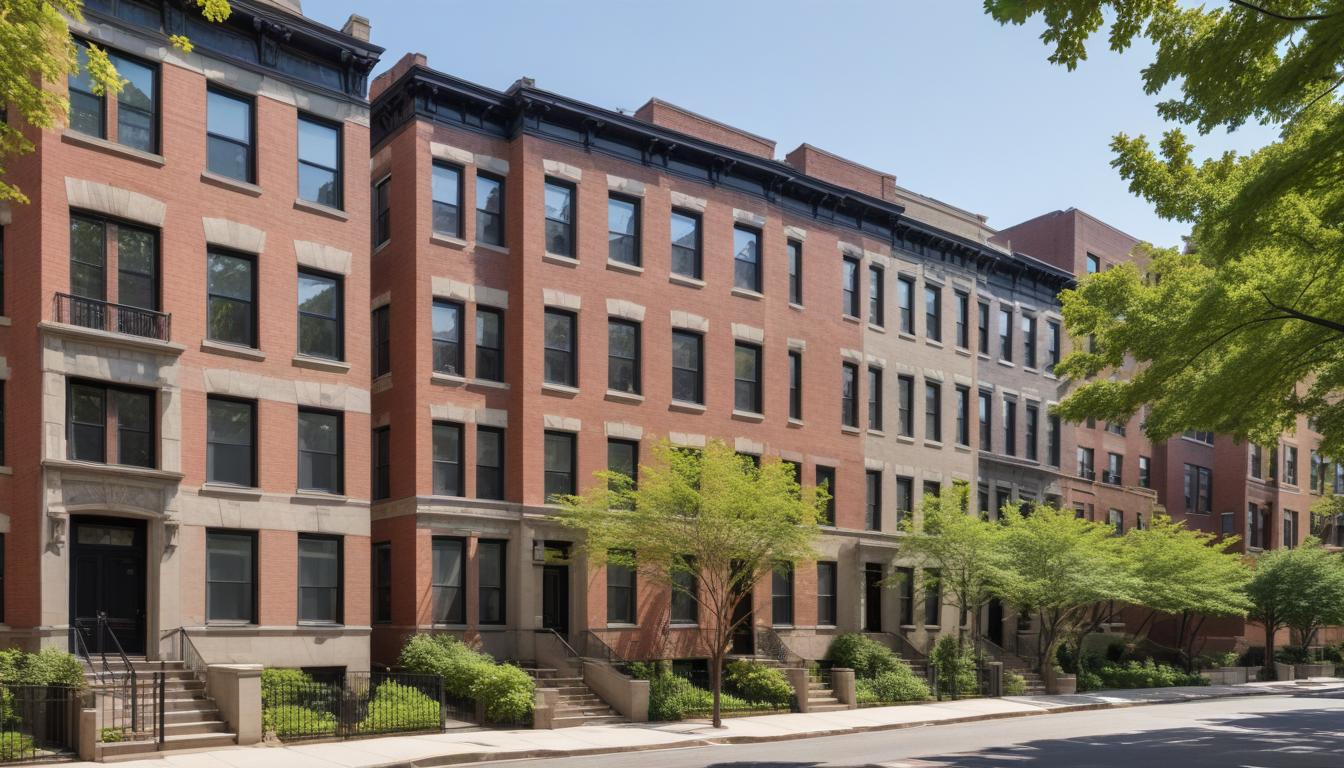
For years, Astoria remained the reliable middle child of Queens real estate—solid, affordable, overlooked. But something shifted in 2025. The neighbourhood's northwestern industrial corridor, stretching from the Pulaski Bridge down to the Socrates Sculpture Park, has transformed into one of the city's most competitive investment zones, with median prices climbing from $685,000 last year to $808,000 today.
The catalyst: a combination of upzoning decisions and the quiet but relentless migration of creatives and young professionals priced out of Williamsburg and Long Island City's saturated markets. Where a 1,200-square-foot loft on Jackson Avenue once commanded $2,800 per month, landlords are now asking $3,400, with waiting lists of qualified tenants.
"We're seeing investor portfolios shift east," explains the team at a major local brokerage, noting that condominium conversions along 21st Street and 30th Avenue have sold out within weeks. A recently completed warehouse conversion near the Astoria Pool—once a 10,000-square-foot raw space—listed at $4.2 million and went into contract in 47 days.
The neighbourhood's appeal lies in its authenticity. Unlike sanitised neighbouring districts, Astoria retains character: iconic Greek restaurants cluster around Astoria Boulevard, the Museum of the Moving Image anchors a creative quarter near 35th Avenue, and waterfront parks offer Manhattan views without Manhattan pricing. The median home price sits comfortably below the city's $800,000 benchmark, with room for appreciation.
Developers are betting on permanence. Major projects in pre-development include mixed-use complexes near Ditmars Boulevard and residential expansions along Vernon Boulevard, where industrial zoning changes have opened 15+ acres for residential development. City planners have signalled support for carefully managed density increases in the Astoria Cove district.
Rental yields remain compelling. A two-bedroom apartment renting at $3,100 per month on a $550,000 purchase price delivers a gross yield of 6.7%—rare for New York City. Owner-occupants, meanwhile, are drawn by proximity to the 2, 3, and N trains, with commutes to Midtown averaging 28 minutes.
The warning: momentum attracts speculation. While Astoria's fundamentals—transit access, waterfront potential, cultural institutions—are solid, investors should expect rising competition and tightening margins. Savvy money is already moving deeper into central Queens, eyeing Sunnyside and Forest Hills as the next wave.
For now, Astoria represents the city's sweet spot: early enough to capture appreciation, established enough to offer stability, and genuine enough to retain neighbourhood character. That window, however, is narrowing.
This article was compiled by AI from the sources linked above and screened before publishing. See our editorial standards.