Long Island City's Second Act: Why Queens' Waterfront is Becoming the City's Hottest Development Hub
A wave of new residential and mixed-use approvals along the East River is reshaping the borough's investment landscape.
A wave of new residential and mixed-use approvals along the East River is reshaping the borough's investment landscape.
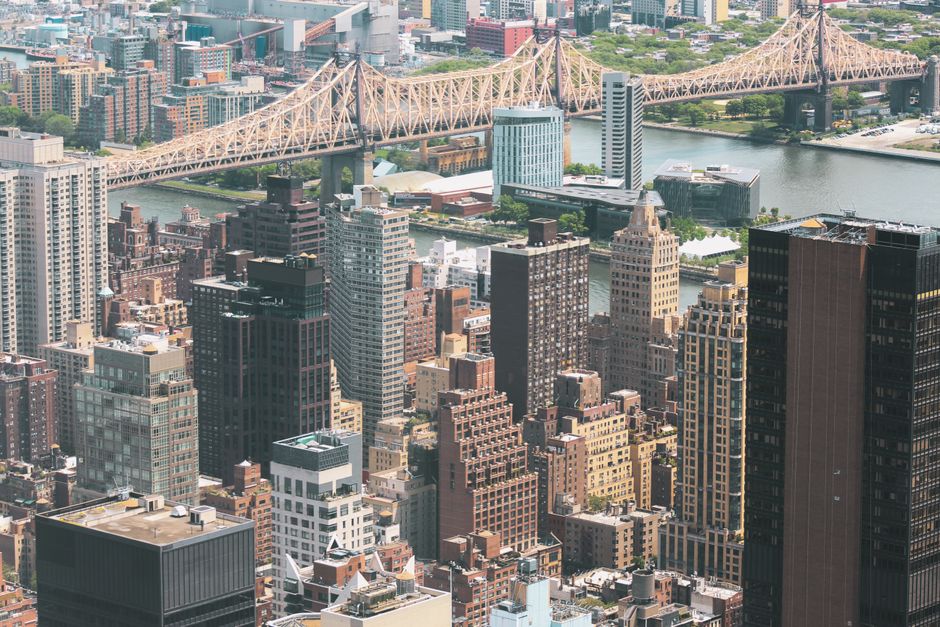
For years, Long Island City was synonymous with industrial warehouses and speculative fever. Today, as major development approvals reshape the neighborhood's waterfront corridor, it's emerging as New York's most compelling investment story—one driven not by hype, but by concrete municipal backing and demographic momentum.
The numbers tell the story. Since the start of 2025, the Department of City Planning has approved seven significant residential projects along the Queens waterfront, collectively representing more than 2,400 units. The median asking price for new condominiums in Long Island City now hovers around $950,000—still $350,000 below comparable Manhattan properties, yet up 22 percent year-over-year. Rental rates have climbed similarly, with one-bedroom apartments now commanding $3,200 monthly, attracting professionals priced out of Brooklyn's Park Slope and Williamsburg corridors.
What's driving the shift is infrastructure investment paired with regulatory clarity. The City's 2024 zoning modifications explicitly streamlined approval timelines for projects along Jackson Avenue and the waterfront between Hunters Point and the Queensboro Bridge. Unlike Brooklyn's byzantine approval processes, Long Island City's pathway from application to groundbreaking has compressed to roughly 18 months. Developers like Silverstein Properties and Tishman Speyer, who've historically focused on Manhattan, are now anchoring major projects here.
The neighborhood's appeal extends beyond pricing. Gantry Plaza State Park's recent $85 million renovation has transformed the waterfront into a genuine civic asset, not merely a viewing platform. The newly opened Queens Museum annex on 46th Avenue and the expanded Queensview dining district around Court Square are driving foot traffic that rivals Park Slope's Seventh Avenue. Commute times to Midtown have stabilized at 22 minutes via the Long Island Rail Road's City Tunnel project—competitive with upper-condo prices in Brooklyn.
Real estate investors have taken notice. Commercial property along Jackson Avenue between 47th and 51st streets—traditionally industrial-zoned land valued at roughly $400 per square foot—is now trading at $1,100 per square foot. Three major residential conversions of waterfront industrial buildings received approval in the first half of 2026 alone.
Yet Long Island City's resurgence isn't without challenges. Flooding risk remains acute; elevated projects account for 40 percent of recent approvals. Public-school capacity constraints and some residual infrastructure lag complicate the narrative. Still, for investors hunting the next neighborhood to mature before major price appreciation, Long Island City's combination of municipal momentum, limited supply, and geographic proximity to Manhattan is proving difficult to ignore.
The waterfront's transformation from industrial backwater to residential anchor appears no longer hypothetical.
This article was compiled by AI from the sources linked above and screened before publishing. See our editorial standards.
How does this story make you feel?
Spread the word
About this article
Published by The Daily New York
Daily brief
Free, in your inbox before 7am. Weekdays.
More in Property