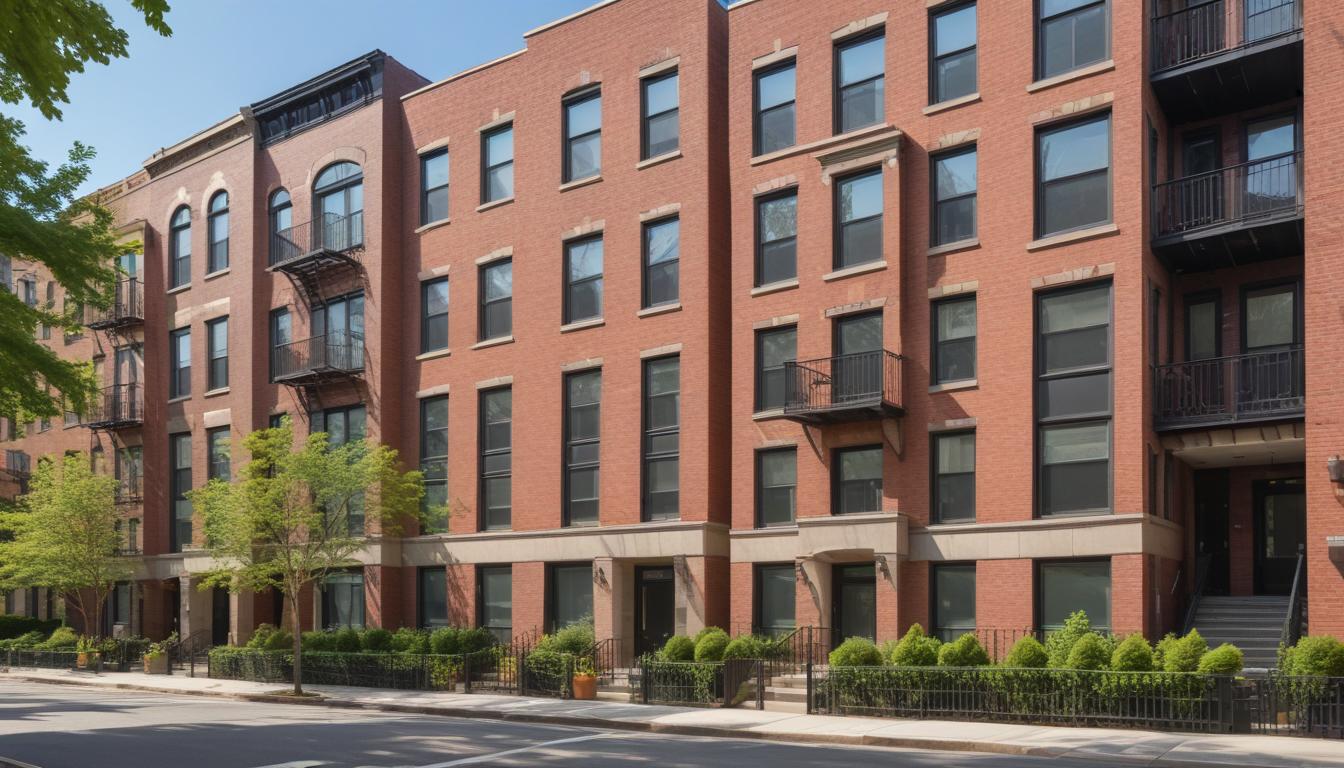
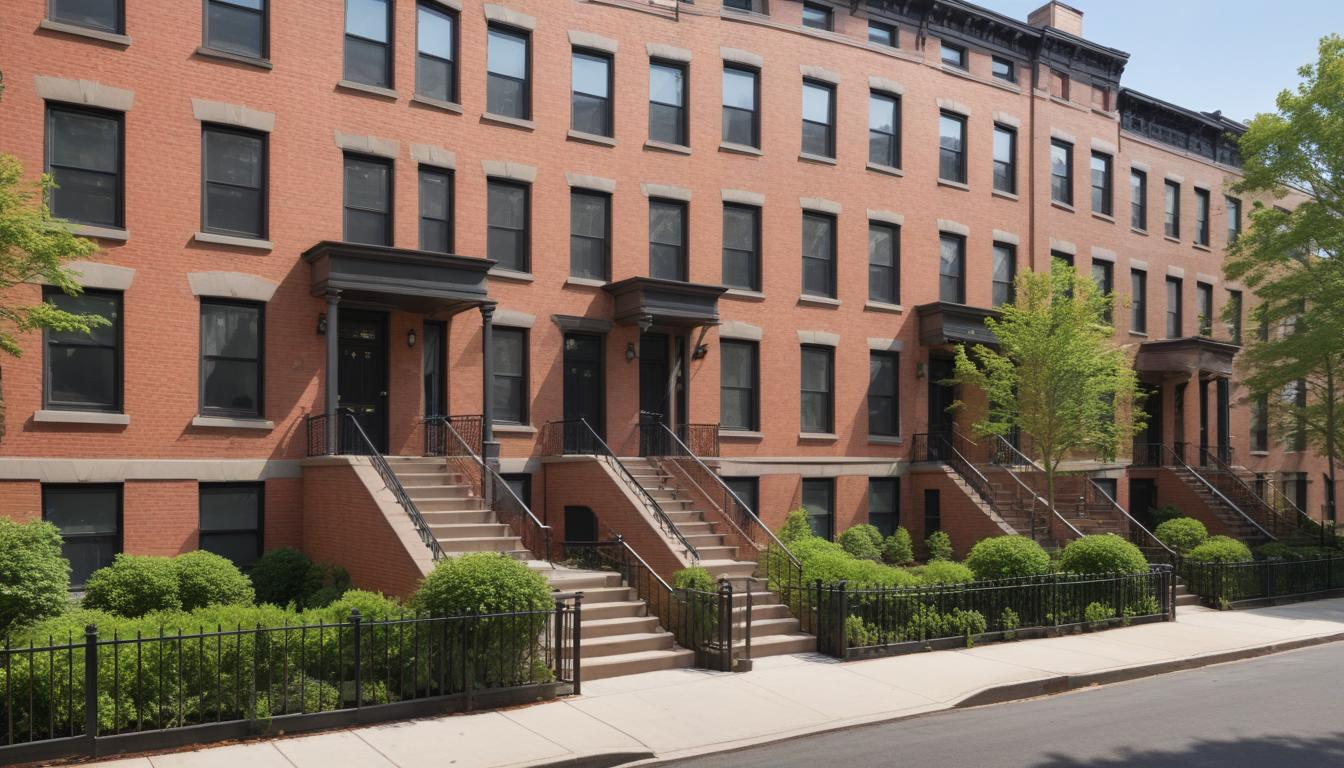
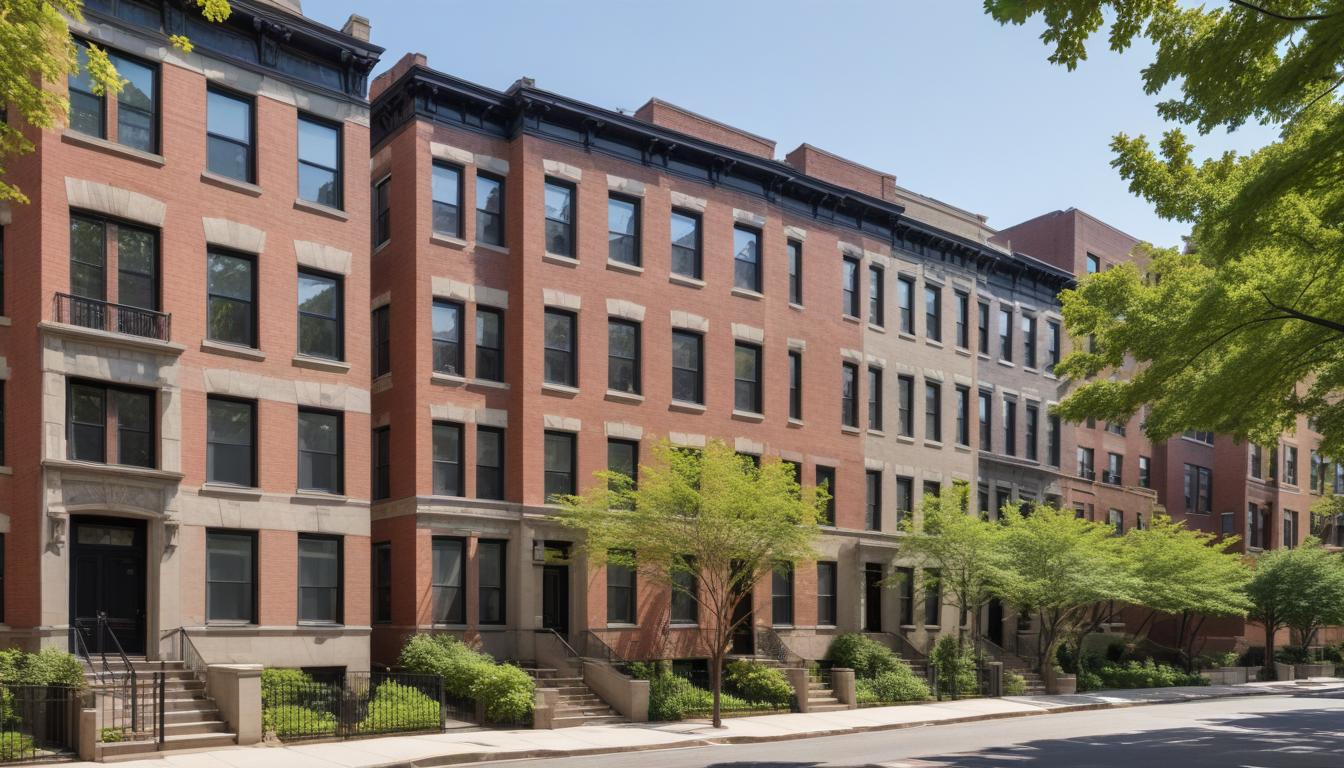
The Bronx is about to add 400 new homes to its housing stock, and for once, affordability isn't an afterthought. The Hunts Point Peninsula Mixed-Use Development, anchored by a partnership between the city's Housing Preservation and Development agency and the Bronx Overall Economic Development Corporation, represents a rare convergence of genuine social housing ambition and waterfront revitalization.
Located steps from the New York Produce Market—the city's largest food distribution hub—the project will deliver 240 units permanently affordable at 30 to 60 percent of area median income, alongside 160 market-rate apartments. At a moment when Bronx median rents have climbed to approximately $2,100 monthly, the guaranteed affordable units matter enormously for workers at the market itself, healthcare facilities across nearby Melrose Avenue, and longtime residents increasingly priced out by outer-borough migration.
"This is the conversation nobody was having five years ago," says the project's lead development entity. The phased approach begins in fall 2026, with completion targeted for 2029. Ground-floor retail and a 15,000-square-foot community center will activate Tiffany Street, historically disconnected from the waterfront despite proximity to it.
The project arrives as city policy has quietly shifted. A 2025 revision to HPD's affordability requirements now mandates 30 percent of new residential construction in outer-borough neighborhoods maintain long-term affordability covenants—a meaningful increase from prior guidelines. The Hunts Point development exceeds that threshold substantially.
Context matters. While Manhattan co-ops and condos remain locked above $1.3 million, and Brooklyn's median hovers near $950,000, the Bronx has become the affordable borough by default rather than design. Yet speculation is accelerating. Recent sales of industrial parcels along the waterfront between Hunts Point and Port Morris have fetched record prices, signaling developer interest in the area. Without intentional affordable housing policy, displacement pressure intensifies.
The Hunts Point project's permanence structure—deed restrictions lasting 60 years—addresses that directly. Unlike time-limited affordability programs that expire and convert to market-rate, these units legally remain affordable for generations of residents.
Neighborhood leaders and market vendors largely support the development, though some worry about construction impacts on daily operations. The MTA has committed bus service improvements along Third Avenue to accommodate increased residential density.
With 23,000 new affordable units needed citywide by 2031 according to recent housing advocacy assessments, Hunts Point offers a replicable model. Mixed-income development, meaningful affordability covenants, and ground-floor community space—it's not revolutionary. But in June 2026, it feels like momentum worth watching.
This article was compiled by AI from the sources linked above and screened before publishing. See our editorial standards.