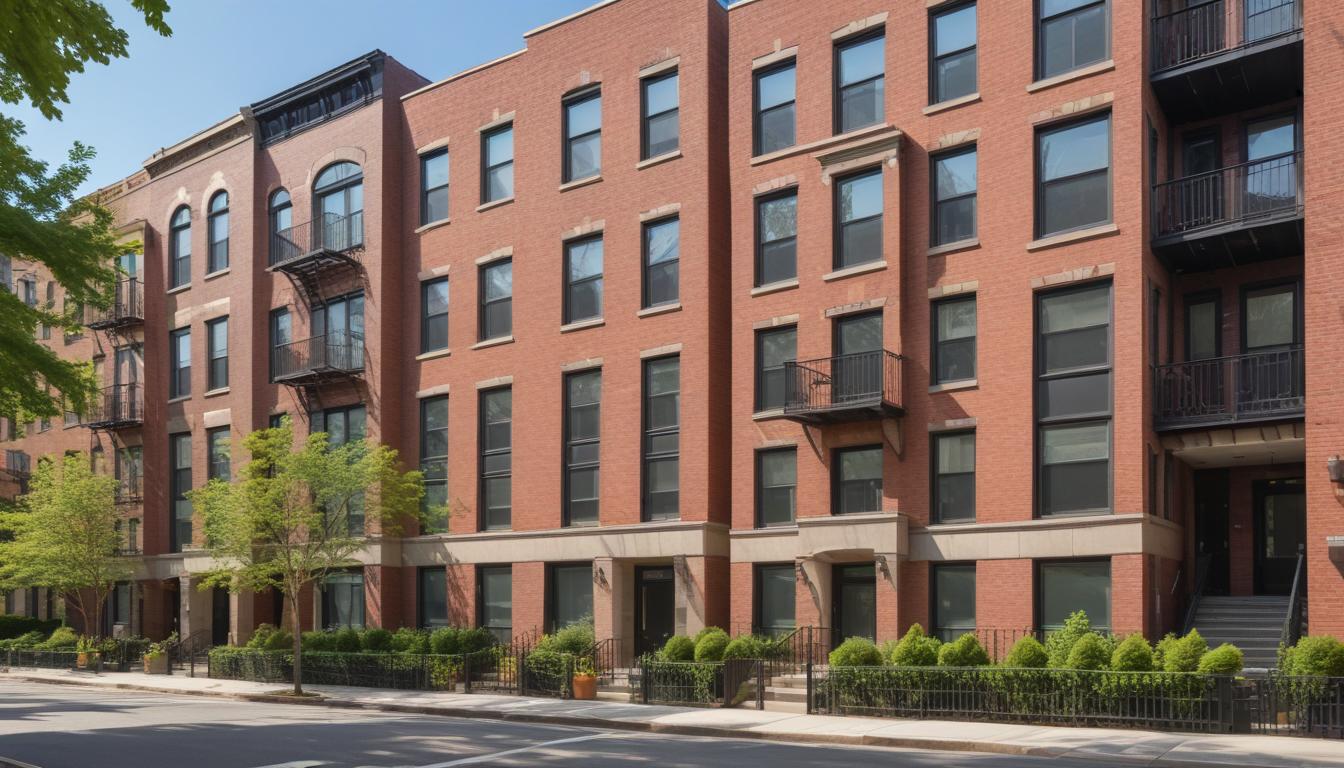
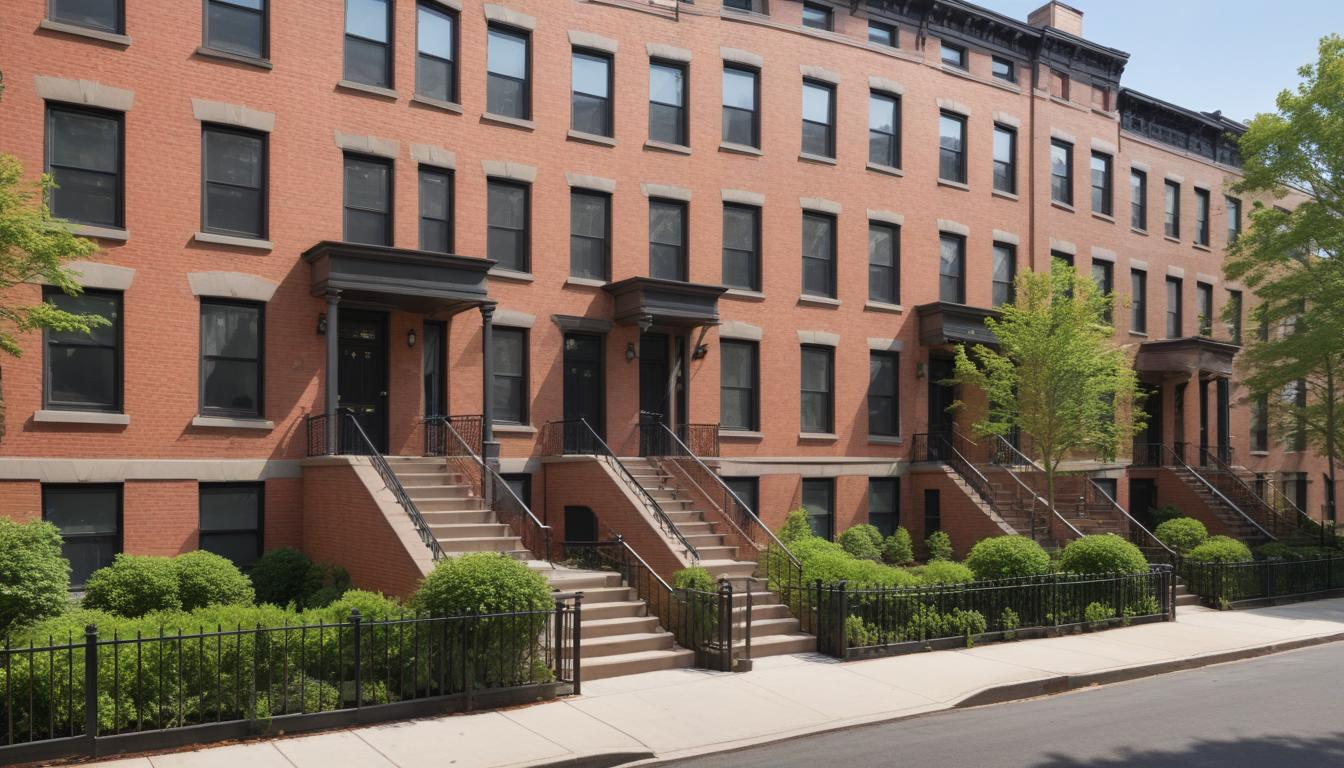
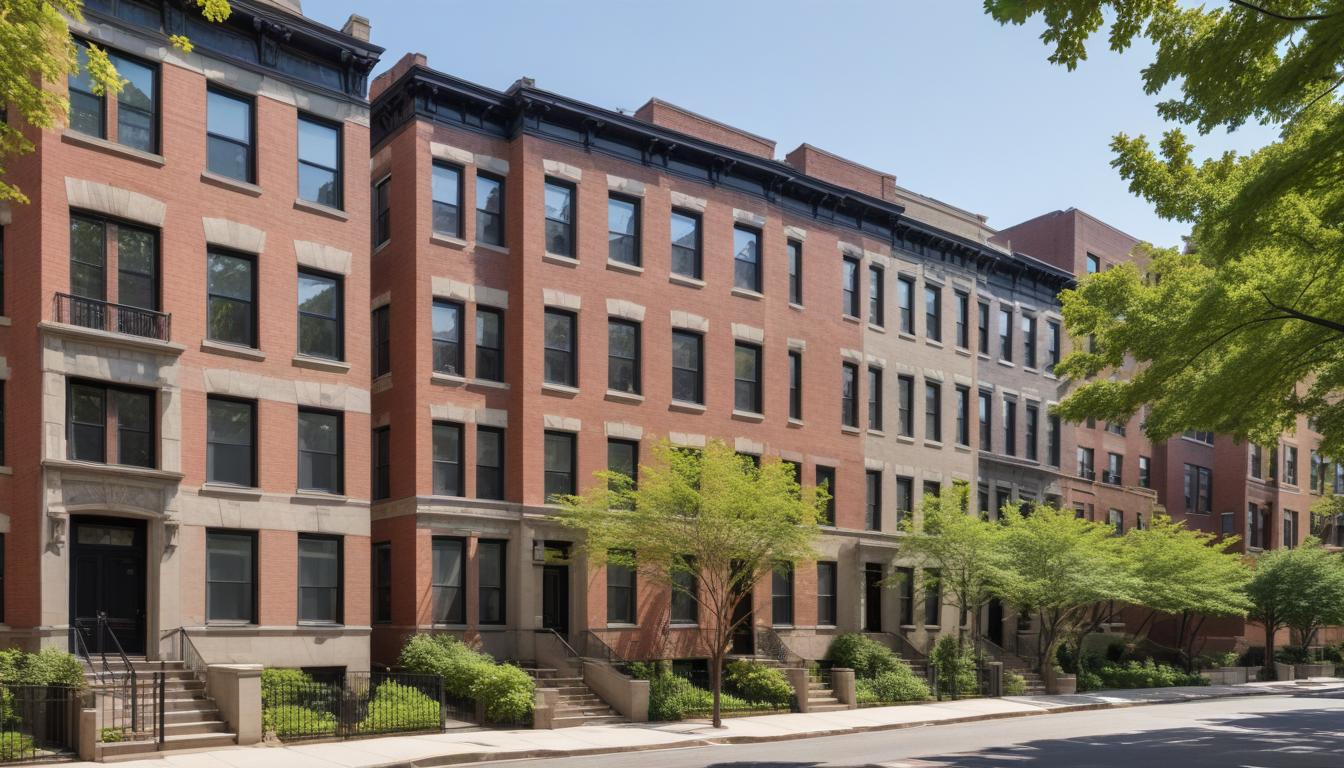
For the first time in nearly a decade, New York City renters are breathing easier. Vacancy rates across Manhattan, Brooklyn, and Queens have ticked upward to approximately 3.5%, a meaningful shift from the sub-1% conditions that defined much of the pandemic recovery. In neighborhoods like Astoria and Long Island City, where new residential construction has accelerated, tenants now encounter genuine choice—a luxury that felt impossible just two years ago.
This reversal is reshaping the rental calculus for both players. In Williamsburg and Park Slope, where median rents hovered near $2,800 for a one-bedroom in early 2025, landlords are now offering concessions: free month incentives, waived broker fees, and flexible lease terms. For a renter accustomed to bidding wars and instant rejections, the shift feels almost disorienting.
Yet the gains are unevenly distributed. While Manhattan's Upper East Side and parts of Chelsea have seen modest rent declines, affordability in outer-borough neighborhoods—traditionally the landing spot for priced-out renters—remains strained. A two-bedroom in Sunset Park or Ridgewood still commands $2,200 to $2,600 monthly, outpacing wage growth across service industries that employ the city's workforce.
Landlords face their own pressures. Extended vacancy periods cut directly into cash flow, and the cost of maintaining buildings amid rising property taxes and labor expenses hasn't eased. Smaller operators managing walk-ups on the Lower East Side or in Washington Heights report longer turnover times between tenants, forcing difficult decisions about renovation investments and rental pricing.
What's emerging is a more fragmented market. Class A developments with amenities—fitness centers, coworking spaces—are weathering the shift better than aging rent-stabilized or older market-rate buildings. Organizations like the Housing Conservation Coordination Council note that while headline vacancy has risen, the composition matters: more empty units in premium buildings, tighter conditions in affordable segments.
For renters, the expanded choice means negotiating power they lacked before. Tenant advocacy groups suggest this window is ideal for locking in longer leases or pushing back on above-guideline increases. For landlords, it's a reminder that the era of passive income and minimal effort is finished. Those willing to invest in maintenance, modernization, and realistic pricing are finding tenants. Those betting on perpetual scarcity are discovering the limits of that strategy.
The rental market's pendulum isn't swinging back to pre-pandemic extremes. It's finding a new equilibrium—messier, more negotiated, and ironically, more reflective of an actual functioning market.
This article was compiled by AI from the sources linked above and screened before publishing. See our editorial standards.