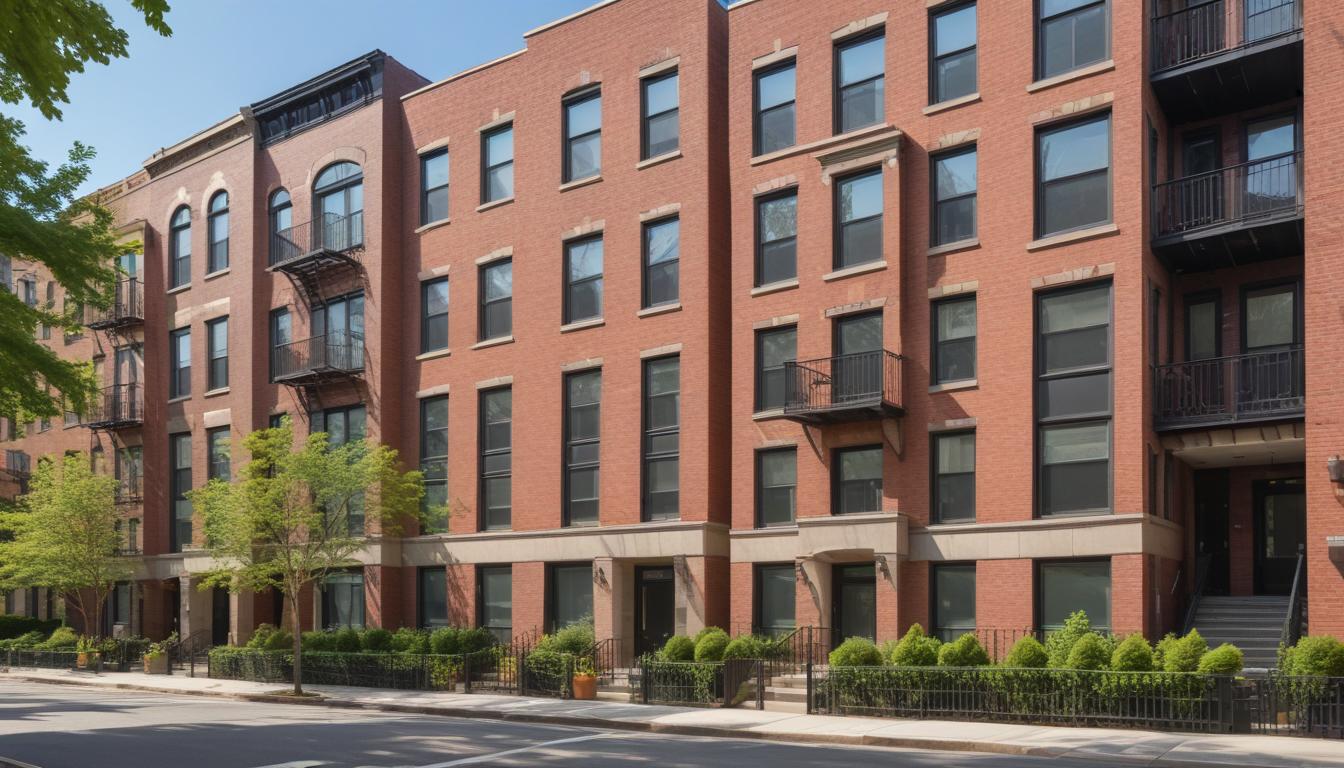
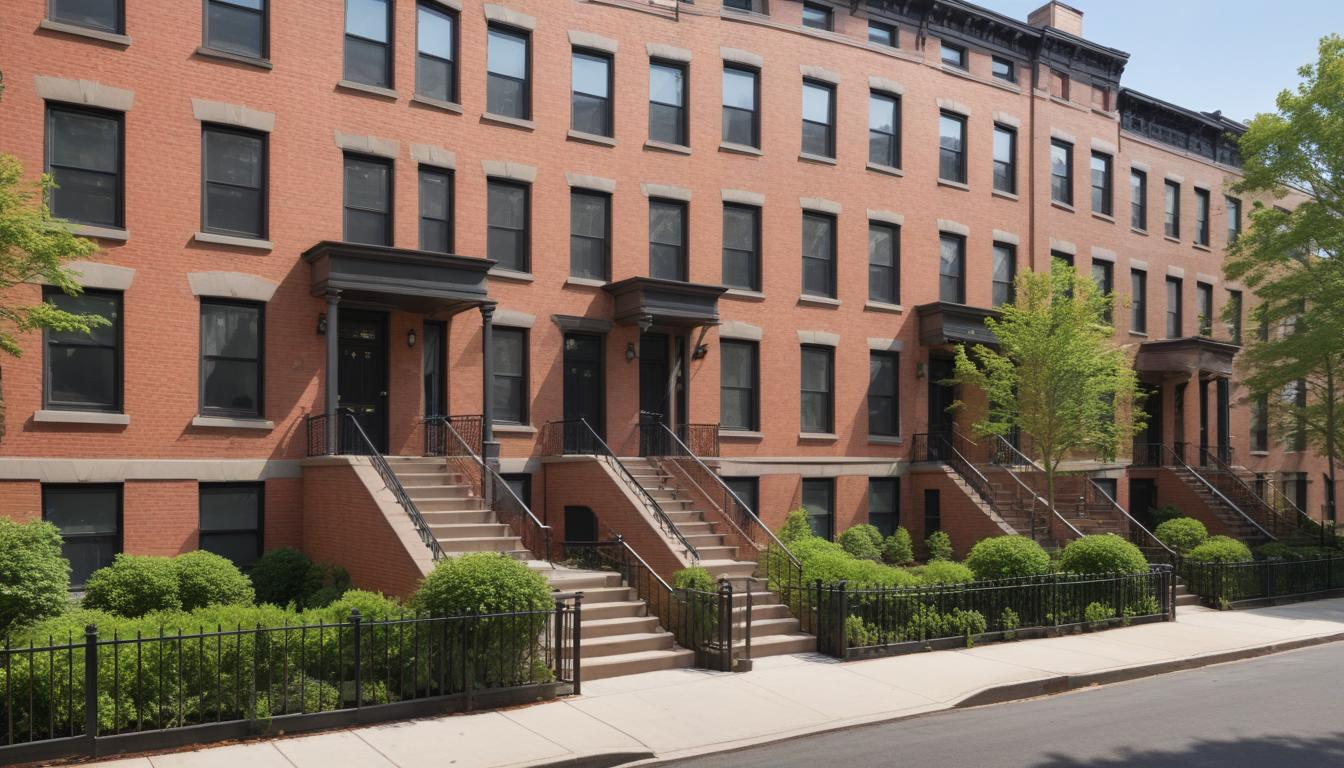
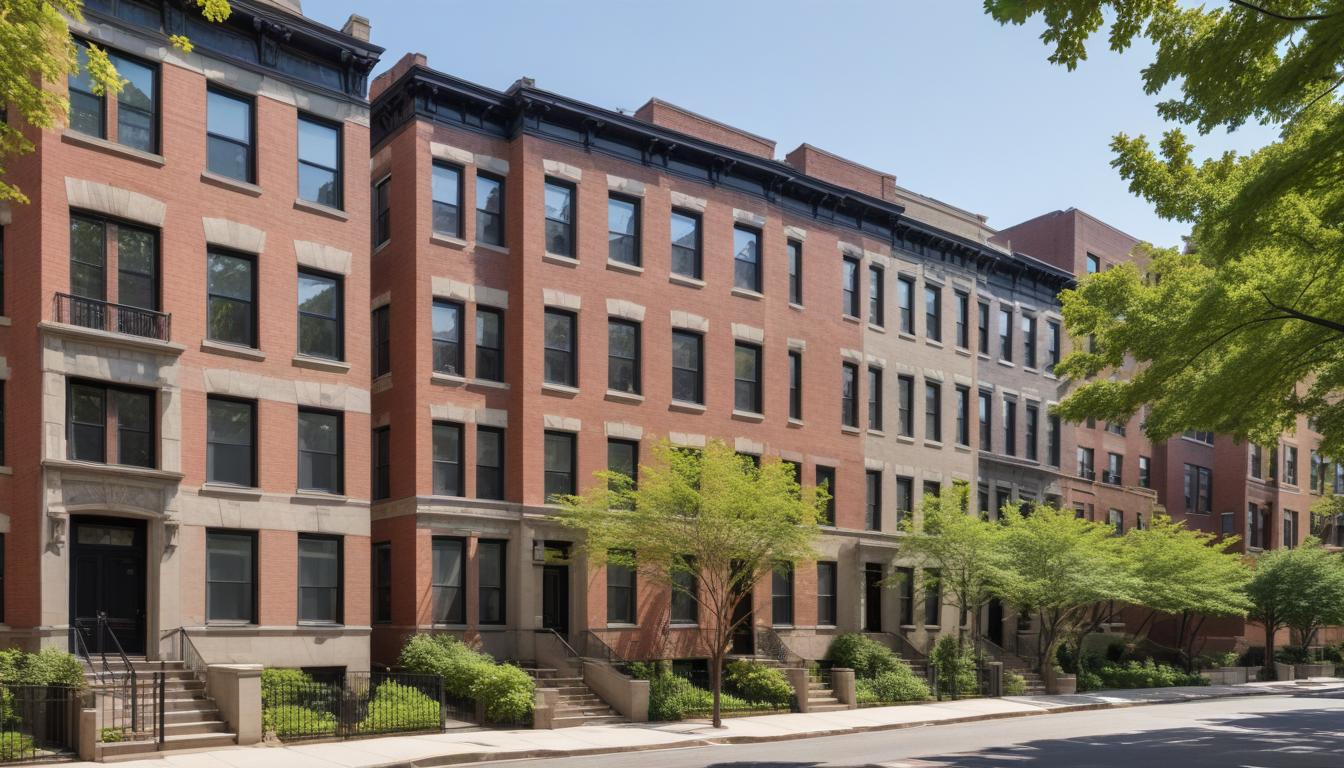
What Auction Results and Price Data Are Signalling About NYC's Next Development Wave
Distressed sales and land values in outer boroughs suggest developers are recalibrating expectations—and where they'll build next.
Distressed sales and land values in outer boroughs suggest developers are recalibrating expectations—and where they'll build next.
New York's development pipeline has always been a creature of cycles. But recent auction data and pricing trends across Manhattan, Brooklyn, and Queens are sending surprisingly clear signals about where—and at what cost—the next wave of construction will actually happen.
The headline: developers are moving further out, and they're paying less confidently to do it.
Consider the Sunset Park waterfront in Brooklyn, where vacant industrial parcels that fetched $850 per square foot two years ago are now moving at $650–$720. Similar compression is visible in Long Island City's secondary sites and along the Astoria waterfront in Queens. These aren't crash signals. They're recalibration signals. Developers are pricing in higher construction costs, stricter affordable housing mandates under the city's mandatory inclusion policy, and longer approval timelines at the Department of City Planning.
The Manhattan story is starker. Since 2024, mixed-use development sites below 96th Street have struggled to attract bids above $1,200 per buildable square foot—a 15–20% discount from 2022 peaks. Financial District parcels, historically the safest bets, saw two significant off-market sales this quarter at prices 8–12% below asking. That's a rarity in Manhattan land sales, and it matters: it signals that even trophy-adjacent sites are priced to move, not to wait.
What's being approved, though, tells a different story. The NYC Department of Buildings issued 147 new development permits in Q2 2026—up from 132 in the same period last year. The volume is there. But the composition has shifted decisively toward residential conversions, mixed-use rental projects, and—significantly—adaptive reuse of underutilized commercial stock in Midtown and Midtown East. This isn't glamorous real estate. It's pragmatic real estate.
The zoning reforms matter too. The city's recent expansion of accessory dwelling unit permissions in R6 and R7 districts has triggered a secondary land market in neighborhoods like Forest Hills and Bay Ridge, where single-parcel development costs have fallen 20–30% because builders can now densify more efficiently. It's creating velocity in places that were previously invisible to institutional developers.
Three takeaways for investors watching the cycle: First, expect more off-market transactions and fewer competitive auctions in Manhattan core. Second, Brooklyn and Queens remain growth markets, but at revised valuations. Third, the next wave won't be defined by trophy projects—it'll be defined by portfolios of smaller, distributed assets that can flex with regulation and absorption timelines.
The data isn't predicting a boom. It's predicting a recalibrated reality.
This article was compiled by AI from the sources linked above and screened before publishing. See our editorial standards.
How does this story make you feel?
Spread the word
About this article
Published by The Daily New York
Daily brief
Free, in your inbox before 7am. Weekdays.
More in Property