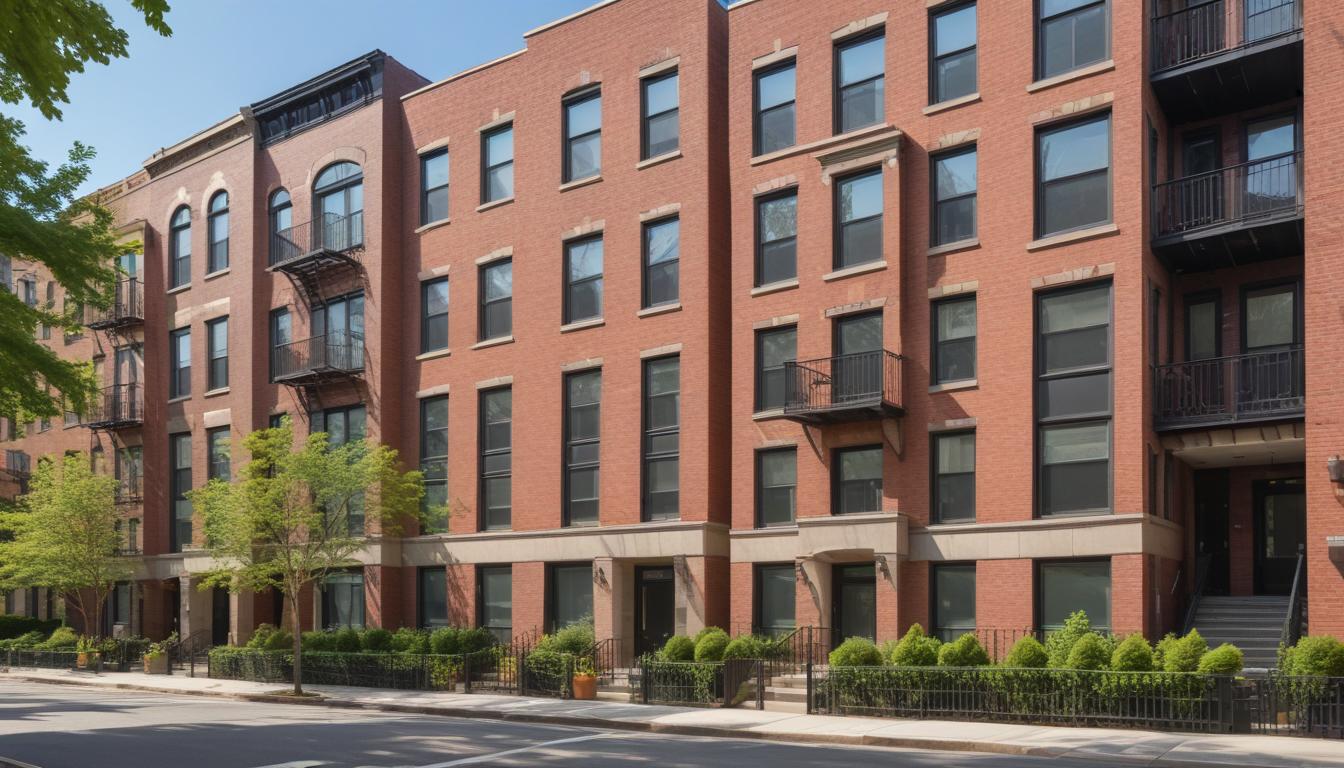
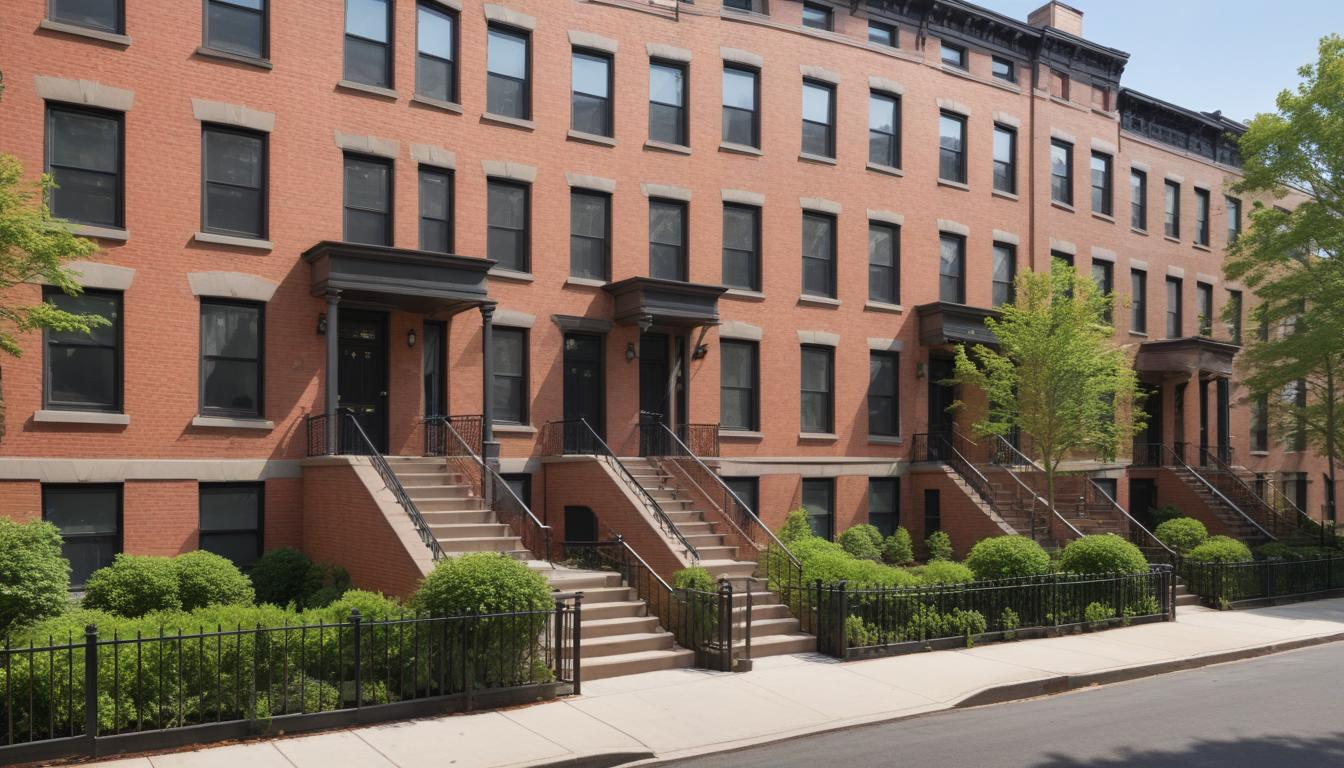
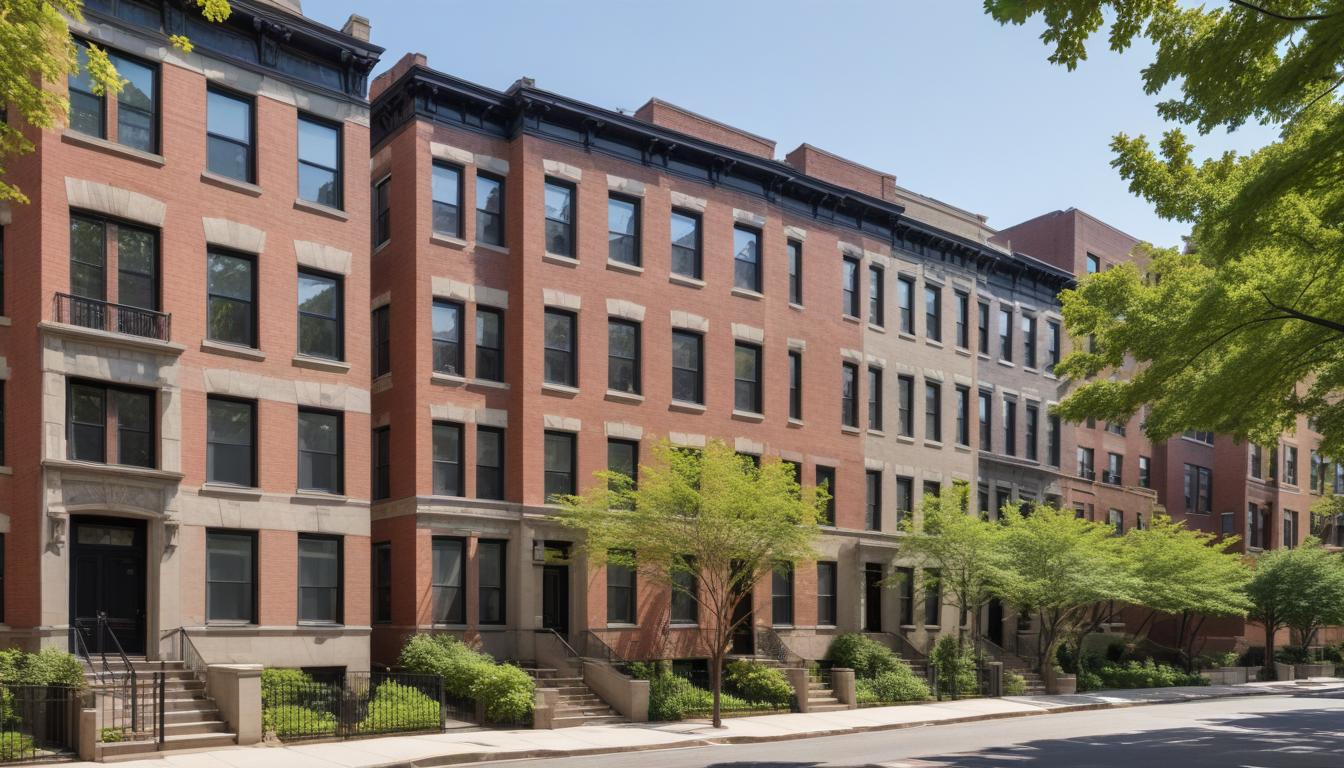
The math no longer works for either side of New York's rental equation. After years of pandemic-era relief and regulatory shifts, the city's rental market has become a pressure cooker where tenants face displacement fears and small landlords contemplate selling, leaving fewer options for both.
Median rent in Manhattan now exceeds $3,500 for a one-bedroom, up nearly 12 percent year-over-year. In outer boroughs—where affordable housing was supposed to be the saving grace—similar gains are eroding the last refuge for working families. A two-bedroom in Astoria is pushing $2,800; Sunset Park and Ridgewood follow close behind. Meanwhile, vacancy rates hover near 1.5 percent citywide, the lowest in two decades, giving landlords leverage they haven't seen since the 2000s.
For tenants, the calculus is brutal. Rent-stabilized units in neighborhoods like the Upper West Side and Park Slope remain coveted precisely because they've been capped at modest increases—but the waiting list is years long. Those without stabilization face regular lease renewals where increases of 5, 8, or even 10 percent are routine. Legal aid organizations report an uptick in eviction filings in outer-borough buildings, where informal agreements between long-time landlords and tenants have frayed under financial stress.
The landlord perspective is equally strained. Small property owners—the backbone of Brooklyn and Queens housing stock—report that operating costs have outpaced allowable rent increases under the Rent Guidelines Board's recent guidance. Property taxes, insurance, and maintenance on older buildings in neighborhoods like Sunset Park and Williamsburg have climbed 20-30 percent since 2020. Some are converting to condos or selling to larger investors, further reducing the supply of rentals available to middle-income families.
The city's push for affordable housing has yielded mixed results. Programs like 421-a tax breaks and mandatory inclusionary zoning have slowed new development in some areas while accelerating gentrification in others. Meanwhile, the housing lottery system—meant to democratize access to affordable units—leaves most applicants empty-handed.
What's becoming clear is that neither rent suppression nor market deregulation alone can solve this. Tenants need certainty; landlords need sustainability. Without coordinated policy addressing supply, affordability, and maintenance incentives, the rental market will continue to sort New Yorkers by income—pushing service workers, teachers, and artists further into the outer rings or out of the city entirely.
The question for policymakers remains: How do you build a rental market that works for both sides before one gives way entirely?
This article was compiled by AI from the sources linked above and screened before publishing. See our editorial standards.