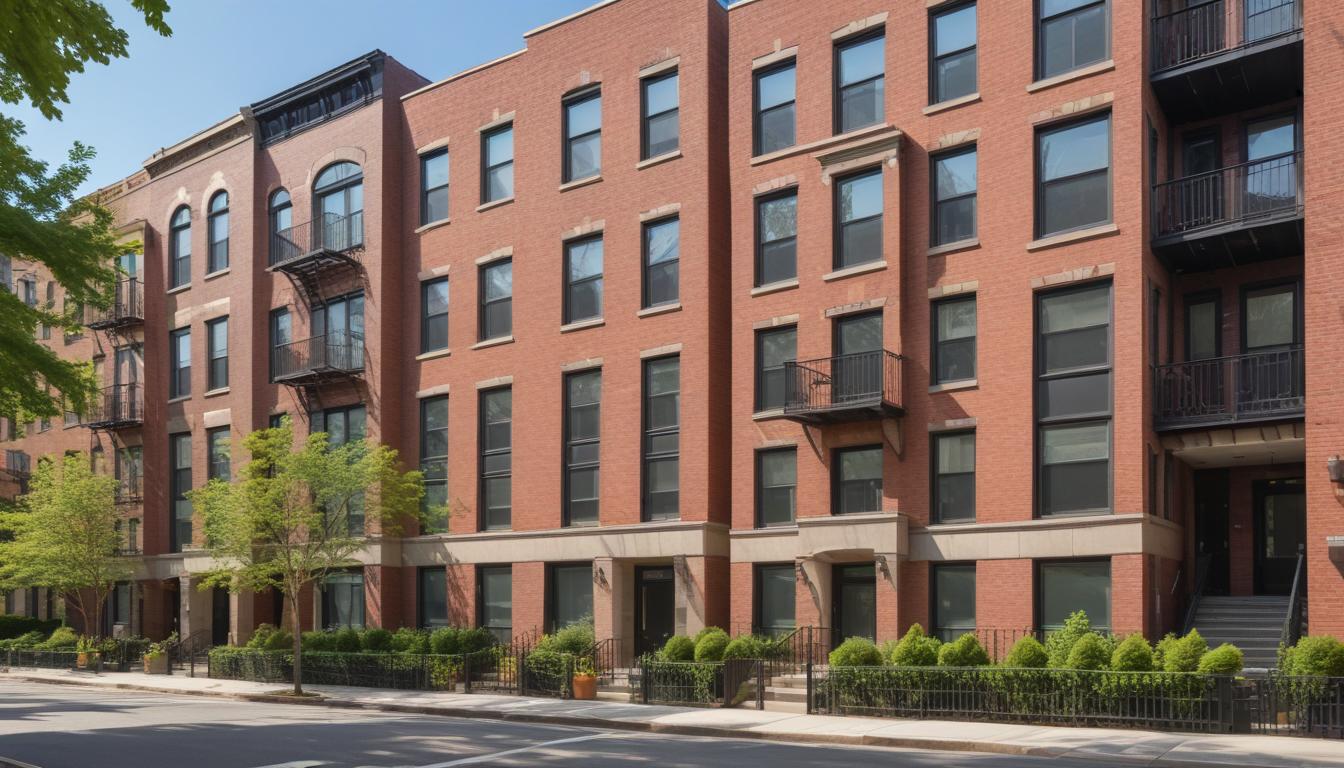
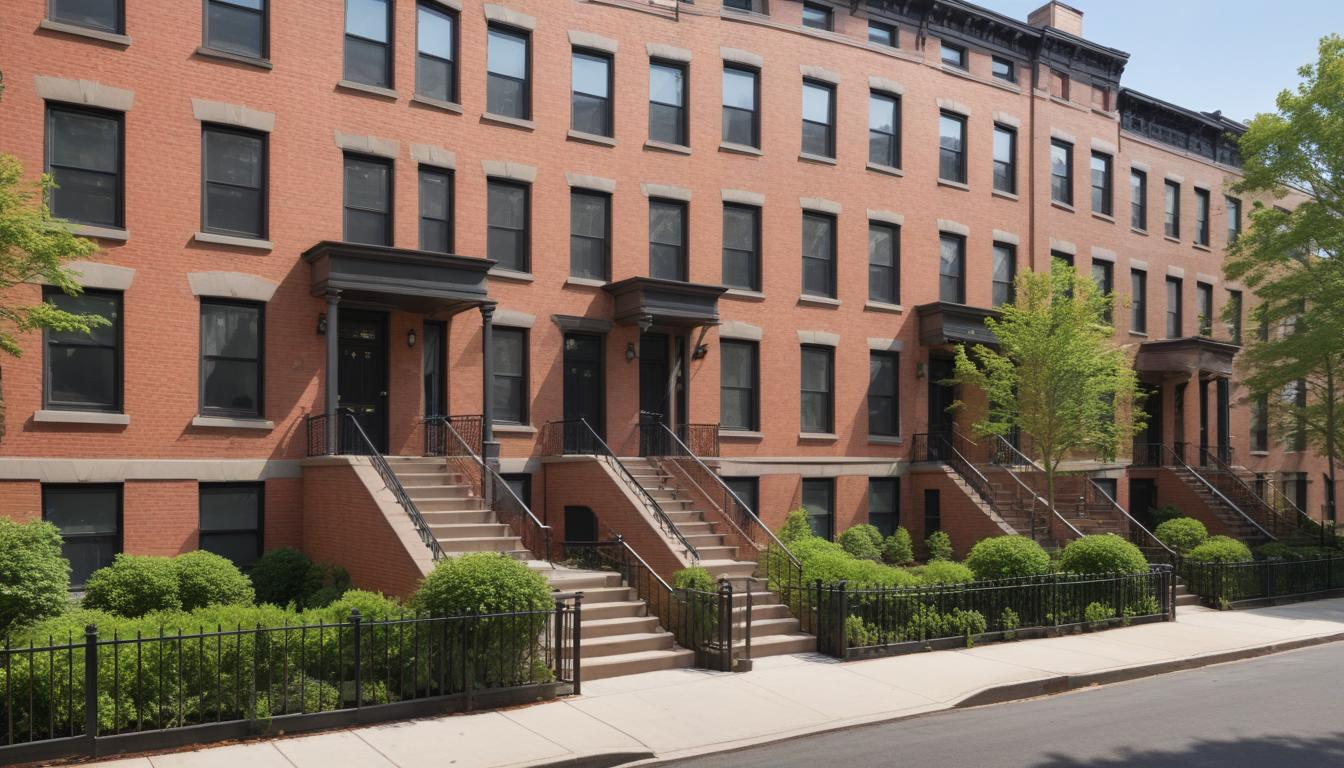
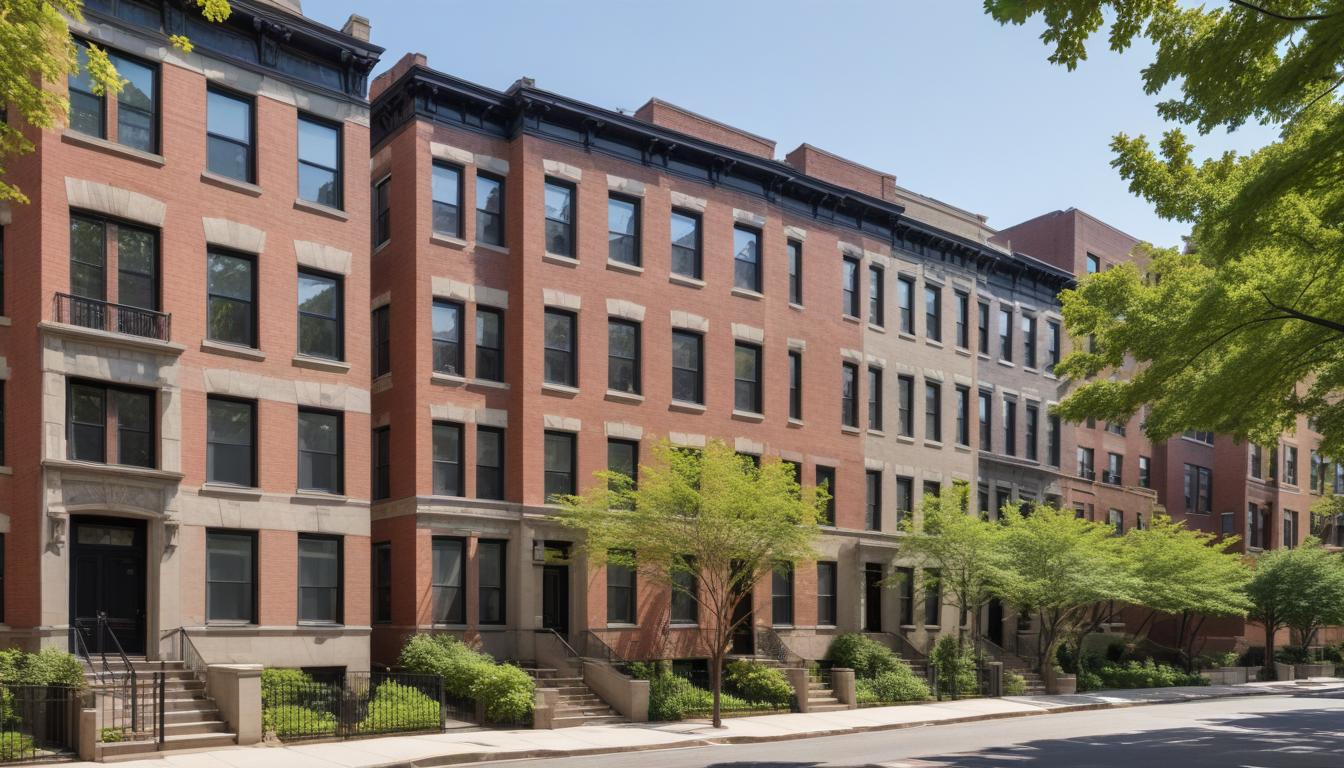
The stretch of Broadway between Metropolitan and Graham Avenues in Williamsburg has become ground zero for New York City's latest affordable housing push. By fall, construction crews will begin work on three mixed-income residential complexes that together represent a rare convergence of private investment, city subsidy, and community land trust involvement—a combination housing advocates say could reshape affordability patterns across North Brooklyn.
The largest project, a 285-unit development on North 6th Street, will dedicate 40 percent of units to households earning between 60 and 120 percent of area median income (AMI). That translates to roughly $52,000 to $105,000 for a family of four—a meaningful threshold in a neighborhood where median rents now exceed $3,200 for a two-bedroom. The developer has locked in affordability covenants for 35 years, a duration that housing policy experts say actually matters when combating displacement cycles.
"The L train service improvement and the zoning changes in 2021 created investor interest we hadn't seen in five years," says the Regional Plan Association's analysis of recent development patterns. Two parallel projects in adjacent Ridgewood—one at the corner of Myrtle and Forest Avenues, another near the Fresh Pond Road subway station—will similarly blend market-rate units with genuinely affordable stock, targeting roughly 180 units combined.
The arithmetic here is instructive. A typical family currently paying $2,400 monthly rent in Astoria or Long Island City could, under these new projects' income targeting, secure stabilized housing for $1,800 to $2,100—not revolutionary, but material in neighborhoods where every percentage-point savings compounds across years.
Yet skeptics abound. Previous mixed-income developments along the Williamsburg waterfront, constructed between 2012 and 2018, showed what housing researchers call "amenity creep": once-working-class blocks absorbed new restaurants, craft breweries, and boutique fitness studios faster than affordable units could anchor community stability. Original residents moved further out to Sunset Park or Astoria; newcomers arrived with higher incomes.
The difference this time may lie in enforcement infrastructure. The city's Department of Housing Preservation and Development has added staff for affordability compliance monitoring—a typically unglamorous budget line that determines whether covenants hold or erode. Community boards in both neighborhoods are now demanding annual reporting on tenant income demographics.
By 2028, if timelines hold, these three projects will add roughly 440 genuinely affordable units to neighborhoods where that figure felt impossible eighteen months ago. Whether they anchor communities or simply delay displacement remains the question that will define North Brooklyn's next decade.
This article was compiled by AI from the sources linked above and screened before publishing. See our editorial standards.