What Recent Auction Results and Price Data Are Signalling About NYC's Housing Market
Distressed sales, inventory shifts, and widening neighbourhood divides reveal where affordability pressures are mounting—and where relief may come.
Distressed sales, inventory shifts, and widening neighbourhood divides reveal where affordability pressures are mounting—and where relief may come.
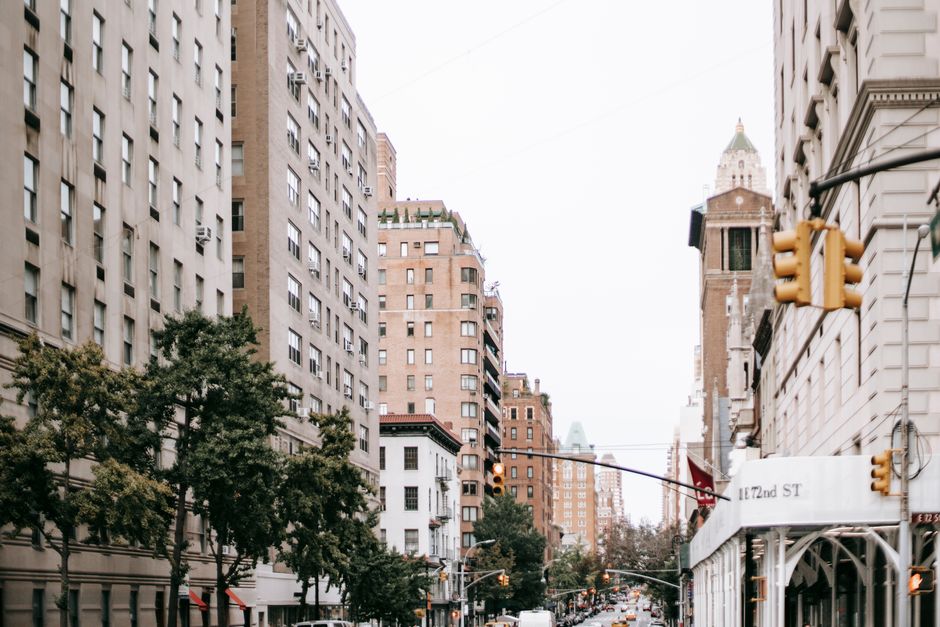
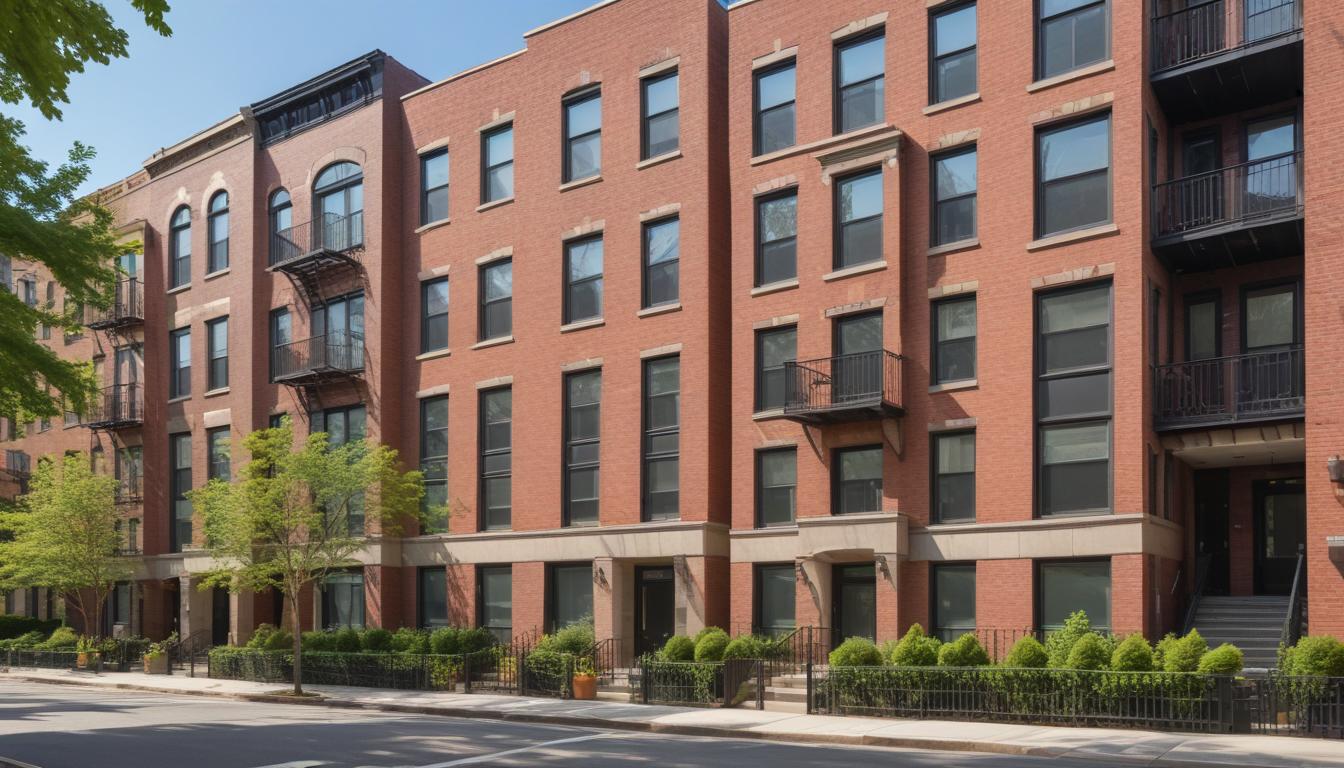
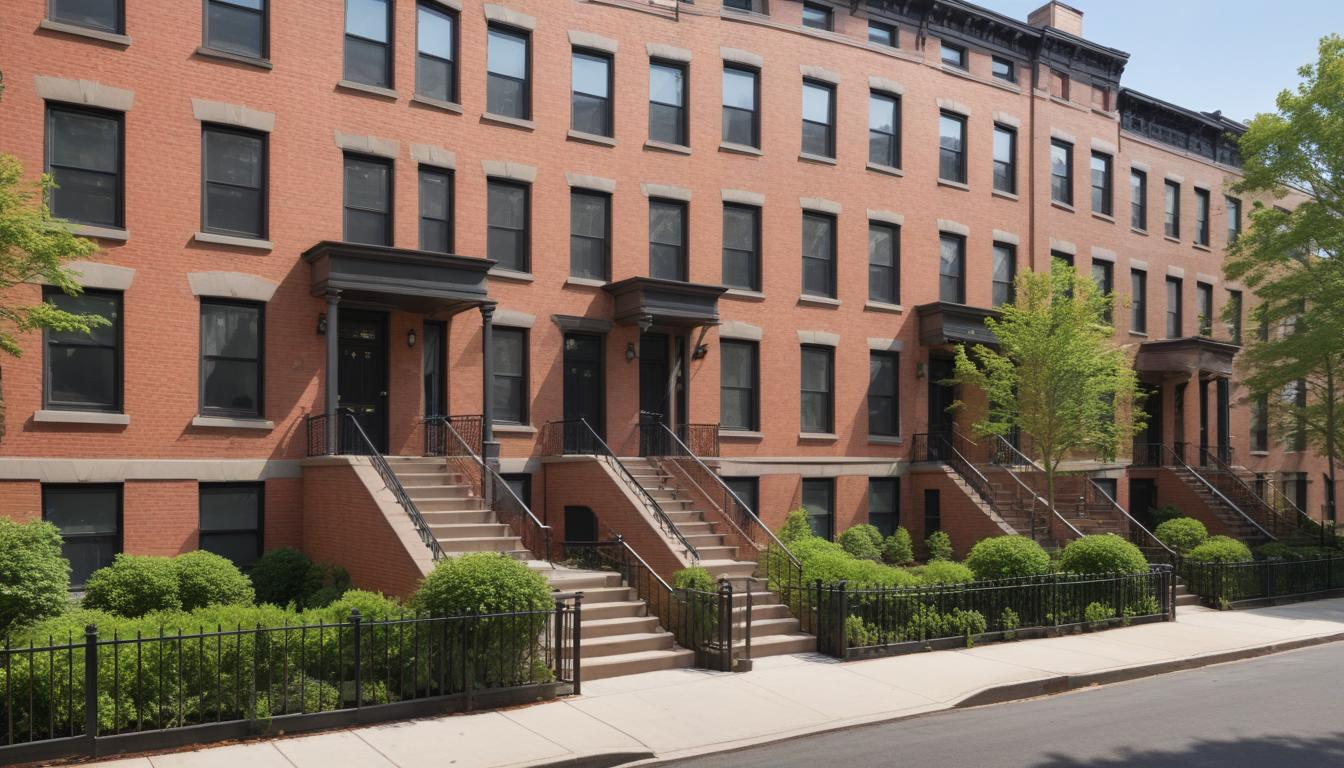
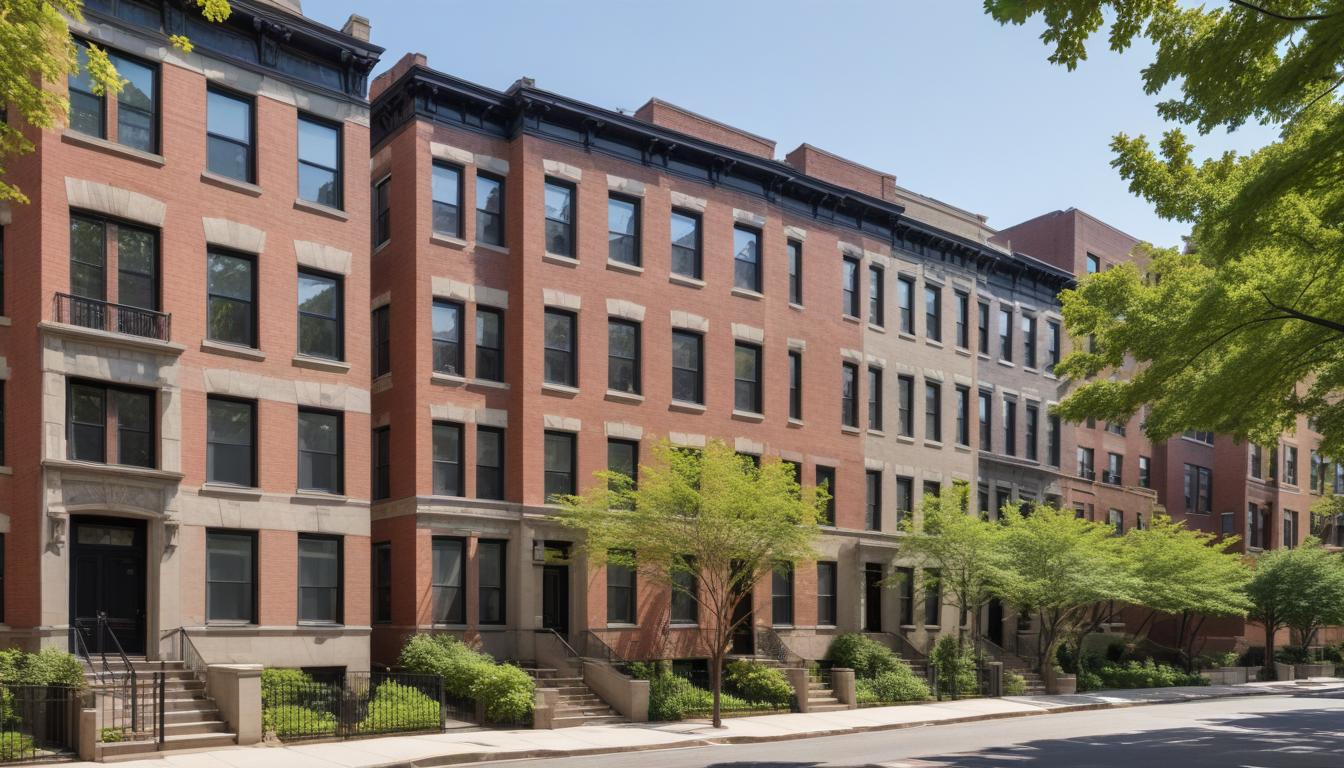
New York's property market is sending mixed signals, and the auction block is where the truth emerges most clearly. Last month's uptick in distressed sales across the outer boroughs—properties moving 15–20% below asking in Queens and parts of Brooklyn—suggests something shift beneath the surface of headline prices.
The median home price across NYC remains anchored near $800,000, but that figure masks a tale of two markets. Manhattan's co-op and condo sector, hovering above $1.3 million, has stabilised through a combination of limited inventory and wealthy international buyers returning to the city. Yet in Astoria and Long Island City, where median prices crossed the $650,000 threshold just three years ago, auction results show fatigue. Properties that sold for $780,000 in 2023 are now drawing $650,000–$700,000 at foreclosure auctions.
The data points to an affordability ceiling. According to recent listings across Williamsburg and Park Slope, the price-per-square-foot metric has plateaued. In Williamsburg, that's holding around $1,450 per square foot; in Park Slope, closer to $1,200. For a first-time buyer looking at a modest two-bedroom, that translates to a $1.2–$1.5 million price tag—requiring dual incomes well into six figures to pencil out with conventional financing.
What's more telling: the composition of sales activity is shifting. Auction volume in the outer boroughs increased 28% year-over-year, while private sales in Manhattan's prime neighbourhoods remained flat. That divergence signals that some buyers are being priced out of negotiated deals and forced to the courthouse steps—or simply exiting the market.
The rental market is offering no respite. Average two-bedroom rents in Astoria have climbed to $3,100 monthly, pricing out households earning less than $155,000 annually. This rental squeeze is pushing some prospective buyers *away* from purchase, contrary to the historical pattern.
Where does relief emerge? The accessory dwelling unit zoning expansions across outer-borough neighbourhoods may eventually fragment the single-family price floor. Queens Community Board 3 (Jackson Heights, Elmhurst) is already seeing early traction in multi-unit conversions. Similarly, Long Island City's softer price trajectory—down 8% year-to-date—may attract developers eyeing workforce housing mandates under new zoning changes.
Auction data and price momentum aren't predicting a crash. They're signalling a market where affordability is contracting for the middle tier, where outer-borough buyers are reaching their ceiling, and where policy interventions—ADU zones, mandatory inclusionary housing—matter as much as interest rates.
This article was compiled by AI from the sources linked above and screened before publishing. See our editorial standards.
How does this story make you feel?
Spread the word
About this article
Published by The Daily New York
Daily brief
Free, in your inbox before 7am. Weekdays.
More in Property