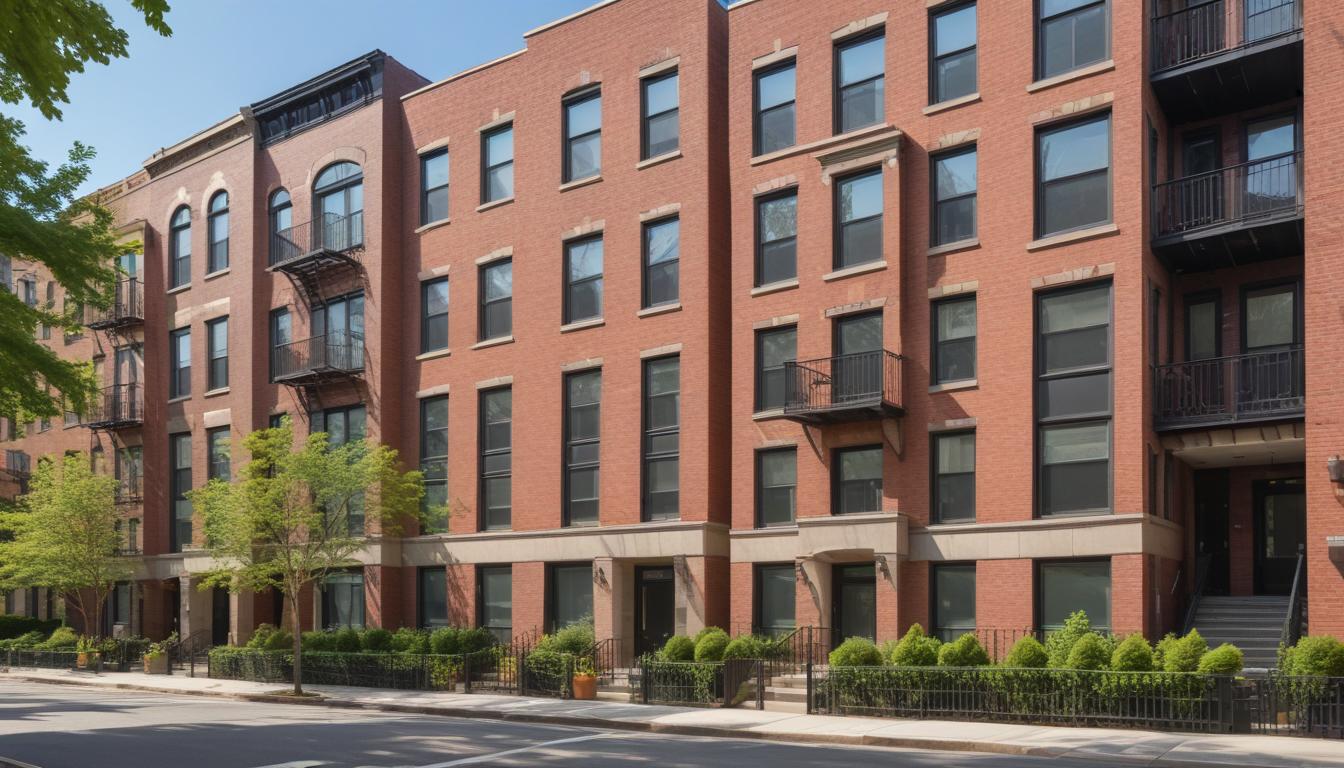
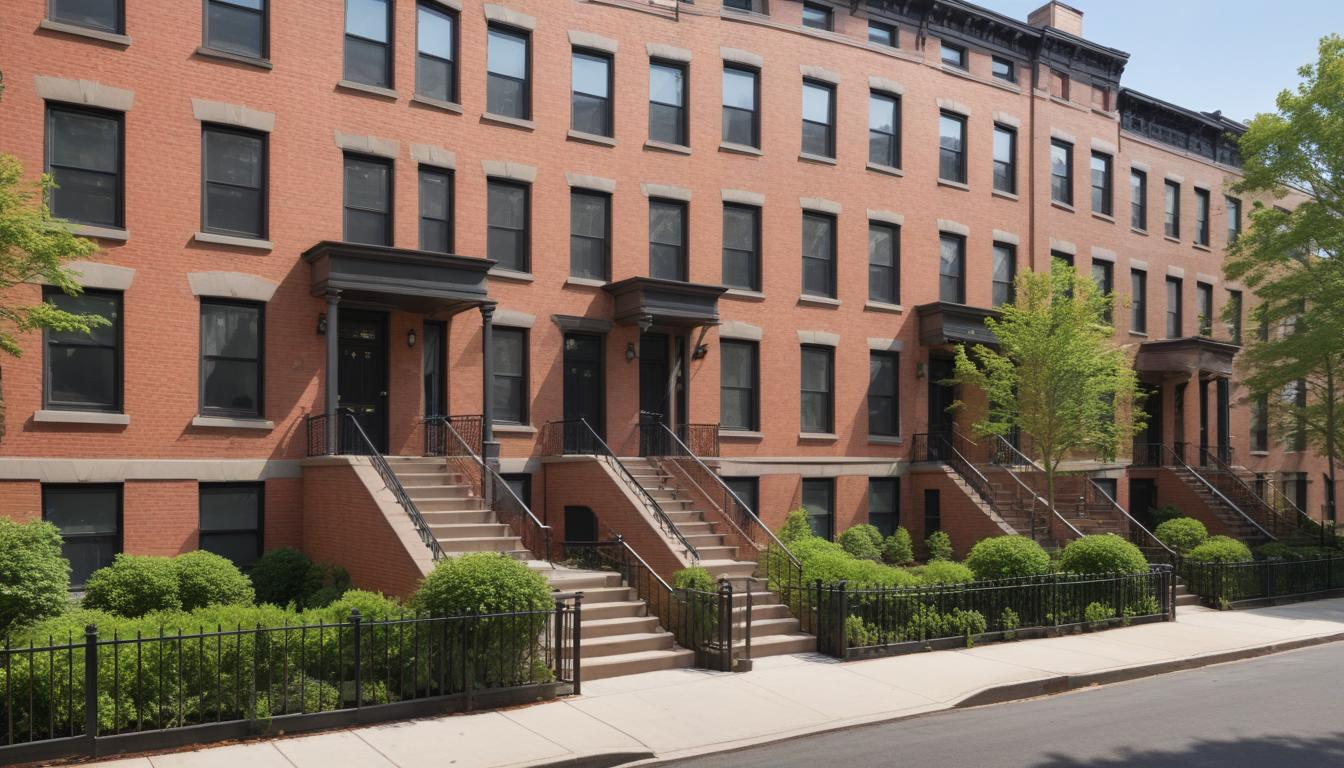
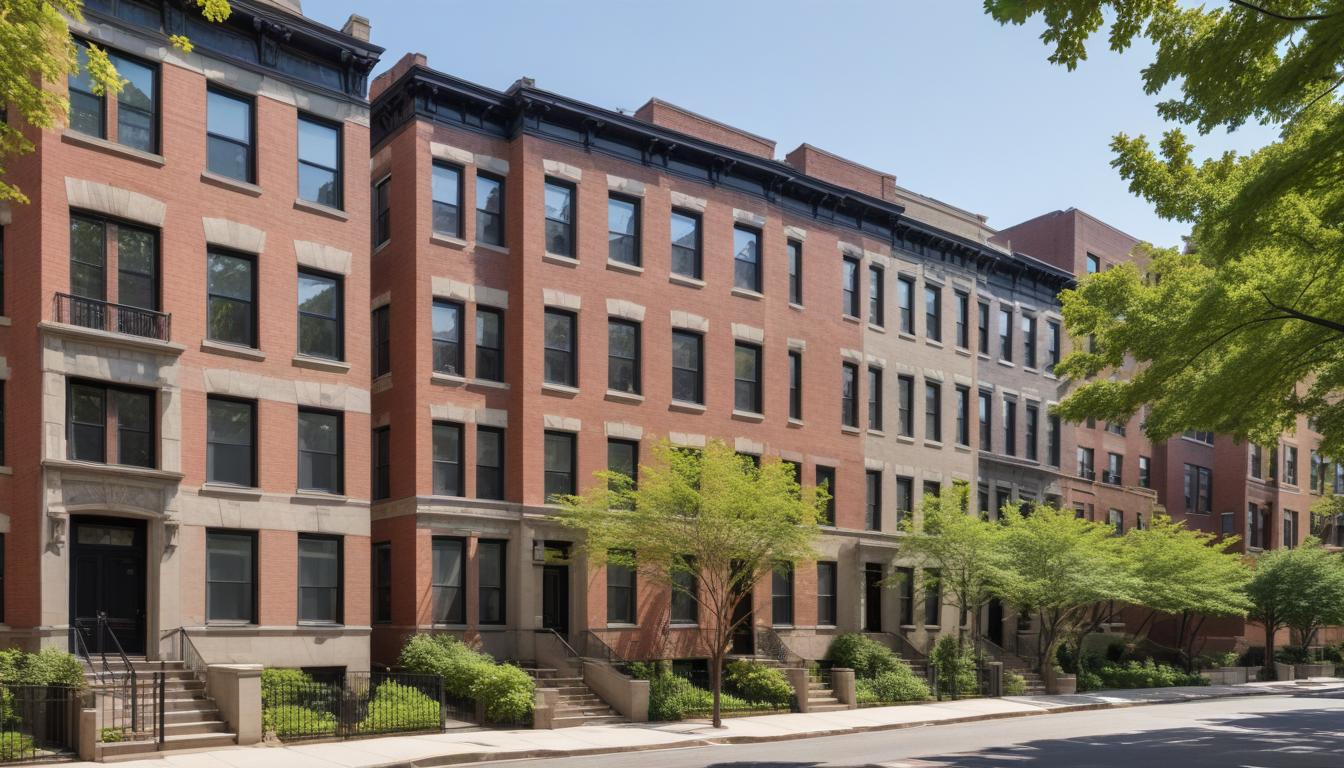
New York's investment property market is at an inflection point. After two years of post-pandemic volatility, rental demand has returned with genuine force—but the math for landlords has become considerably tighter. Median rents across Manhattan now exceed $4,200 for a one-bedroom, while outer-borough neighborhoods like Astoria and Sunset Park have seen 8-12% annual growth. Yet purchase prices have followed suit, compressing yields in ways that demand fresh thinking from both novice and experienced investors.
The primary driver reshaping the market is the return of professional tenancy. The "flight to suburbs" narrative has largely reversed. Working professionals—particularly those in finance, tech, and media—are clustering back into transit-accessible neighborhoods with walkable amenities. This has turbocharged demand for smaller units suitable for single occupants or dual-income households without children. A studio in Long Island City that rented for $2,100 in 2023 now commands $2,600. The yield spread, however, hasn't kept pace with purchase-price appreciation.
Regulatory tailwinds are also reshaping investor calculus. New zoning allowances for accessory dwelling units in parts of Queens and Brooklyn have created secondary-income opportunities that didn't exist eighteen months ago. An investor purchasing a townhouse in Ridgewood or Greenpoint can now legally add rental capacity, effectively lowering cap rates through creative structuring—though permitting complexity remains daunting.
What should buyers understand before deploying capital? First: yield compression is real. A $1.2 million investment property in Williamsburg generating $60,000 annual gross rent (5% gross) leaves minimal margin for vacancies, maintenance, and city taxes. Second: location arbitrage is narrowing. The arbitrage window between Brooklyn and Manhattan has contracted sharply; rising transportation costs and quality-of-life trade-offs no longer justify significant price discounts. Third: tax policy matters acutely. The phase-out of rent stabilization in certain portfolios and local property tax volatility should inform pro forma modeling.
The smartest current positioning favors neighborhoods with supply constraints and strong employment anchors: areas around the Moynihan Station transit hub, the expanding tech corridor in Long Island City, and overlooked pockets of Astoria with strong schools and emerging retail. Properties offering flexibility—two-to-four unit conversions or live-work configurations—command premiums that justify higher entry prices.
For investors, the message is clear: the low-hanging fruit is gone. Sustainable returns now require deeper market knowledge, regulatory sophistication, and willingness to embrace operational complexity. Generic buy-and-hold strategies in saturated neighborhoods won't cut it.
This article was compiled by AI from the sources linked above and screened before publishing. See our editorial standards.