The median New York home now costs $800,000—a figure that stops most first-time buyers mid-scroll. But before you close that Zillow tab, understand this: you're not starting empty-handed. Federal, state, and local programs exist specifically to help newcomers enter the market, though navigating them requires strategy.
Start with the basics. New York State's Homes and Community Renewal (HCR) administers the Affordable Housing Program, while the Federal Housing Administration (FHA) loans remain the first-time buyer's backbone, requiring as little as 3.5% down on properties under $822,375 nationwide—though NYC properties typically exceed this. The state's real estate transfer tax exemption for first-time buyers purchasing homes under $500,000 can save thousands at closing.
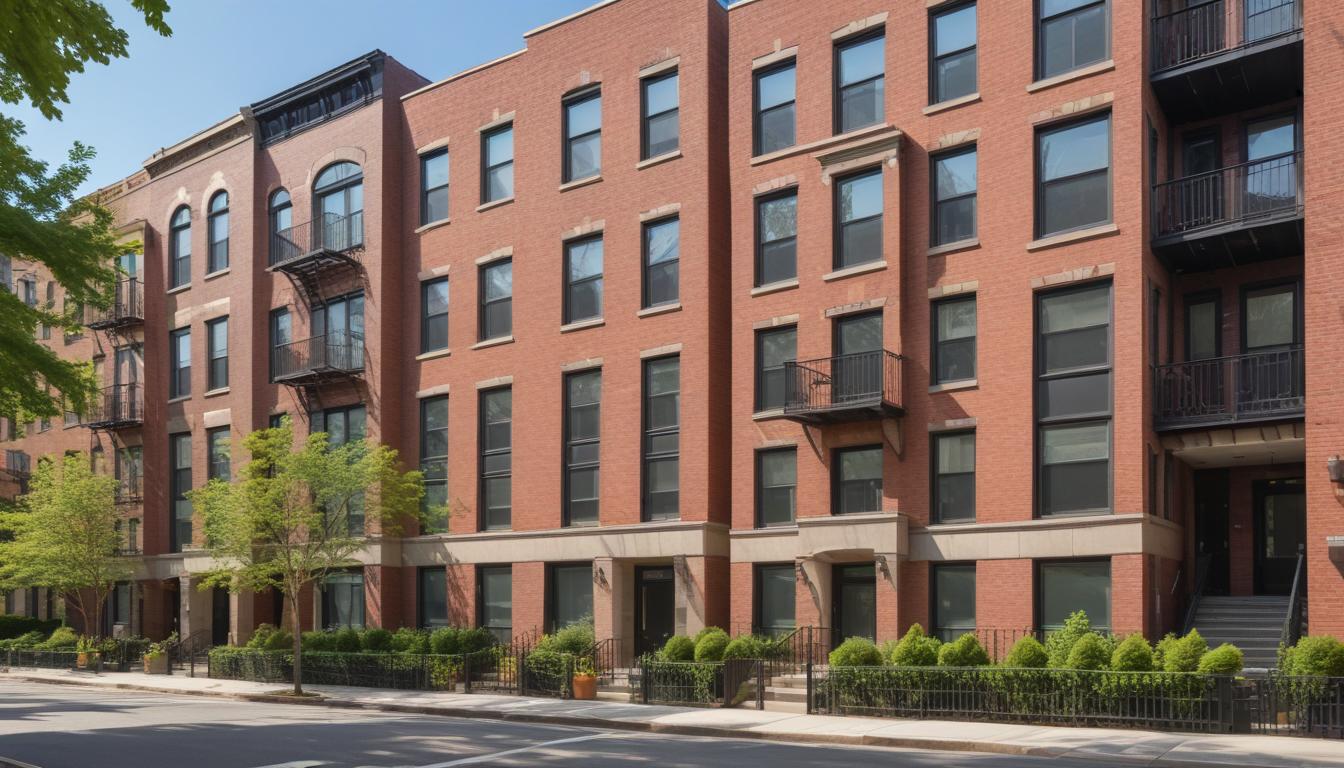
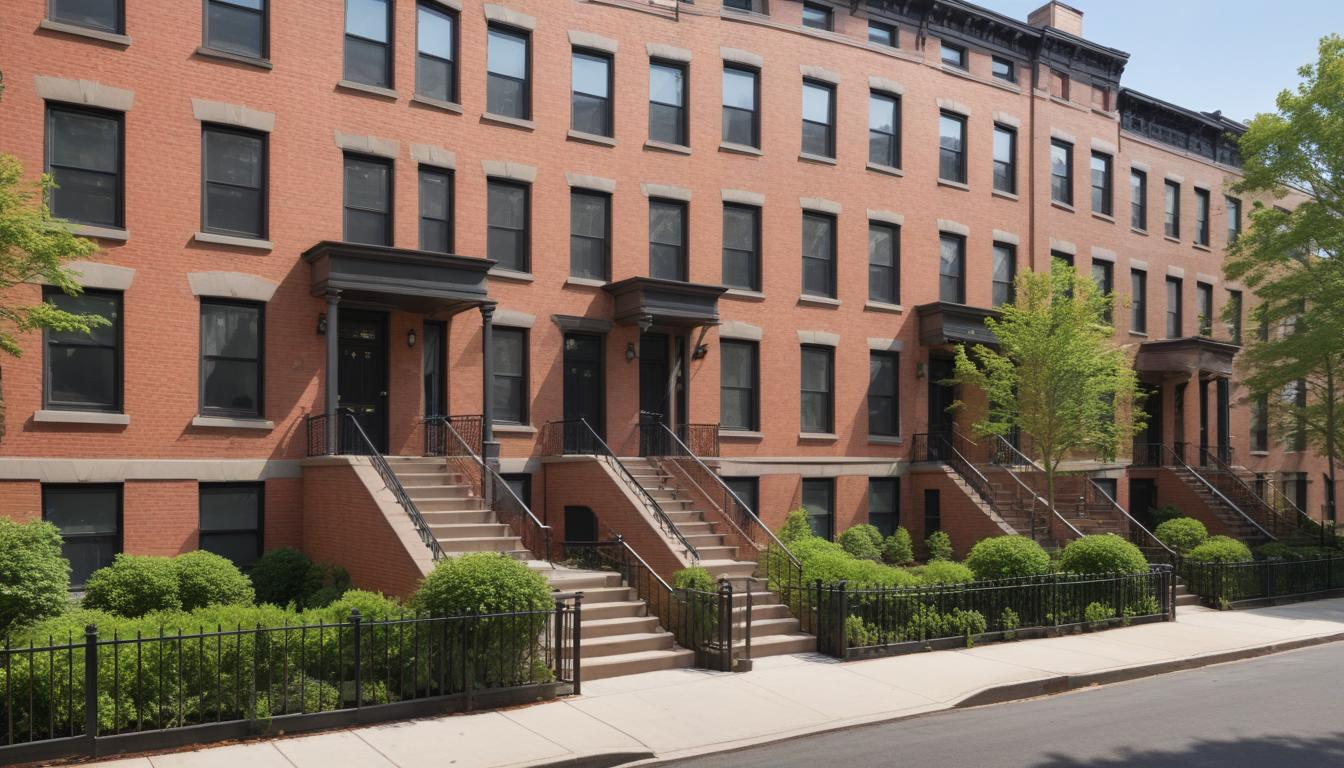
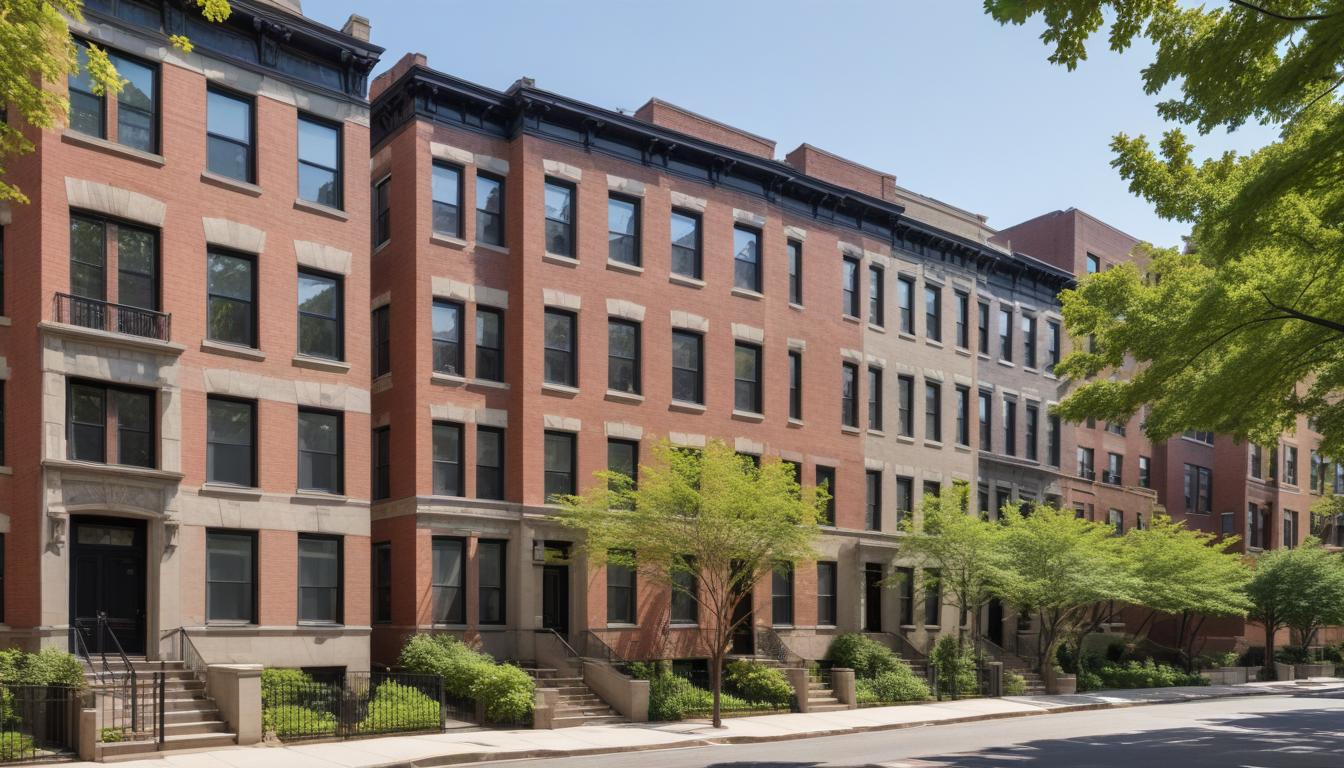
The geography matters enormously. While Manhattan co-op and condo prices hover above $1.3 million, outer boroughs offer realistic entry points. Astoria and Long Island City in Queens, or Park Slope and Sunset Park in Brooklyn, see first-time buyers breaking in around $650,000 to $900,000—still steep, but manageable with proper financing. The Department of Finance's Property Tax Abatement program in these neighborhoods can provide relief for eligible buyers.
Financing is where homework pays dividends. Compare conventional loans (typically 5% down), FHA options, and New York Housing Finance Agency programs that offer below-market rates. With current lending conditions, your debt-to-income ratio matters; lenders typically cap it at 43%. On an $800,000 purchase, expect roughly $160,000 down payment combined with closing costs of 2-5% of purchase price.
Less known: the NYC Department of Housing Preservation and Development's First Home Loan Program offers favorable terms for buyers earning up to 120% of area median income. Applications open sporadically; monitor HPD's website for launches. Similarly, some banks operating near Washington Heights or along the Sunset Park waterfront offer community-specific first-buyer incentives worth investigating.
Grant programs exist but carry income restrictions. The National Down Payment Assistance Network's database lists state and local programs; most cap household income at 80% of area median. It's competitive, documentation-heavy work—yet potential $15,000 to $40,000 assistance makes it worthwhile.
The hard truth: today's market rewards prepared buyers. Get pre-approved before house-hunting, understand your true budget (including property taxes that can exceed $3,000 annually), and work with a mortgage broker familiar with first-time buyer programs. Yes, $800,000 is daunting. But with state grants, strategic financing, and outer-borough flexibility, entry remains achievable for disciplined buyers willing to do the legwork.
This article was compiled by AI from the sources linked above and screened before publishing. See our editorial standards.