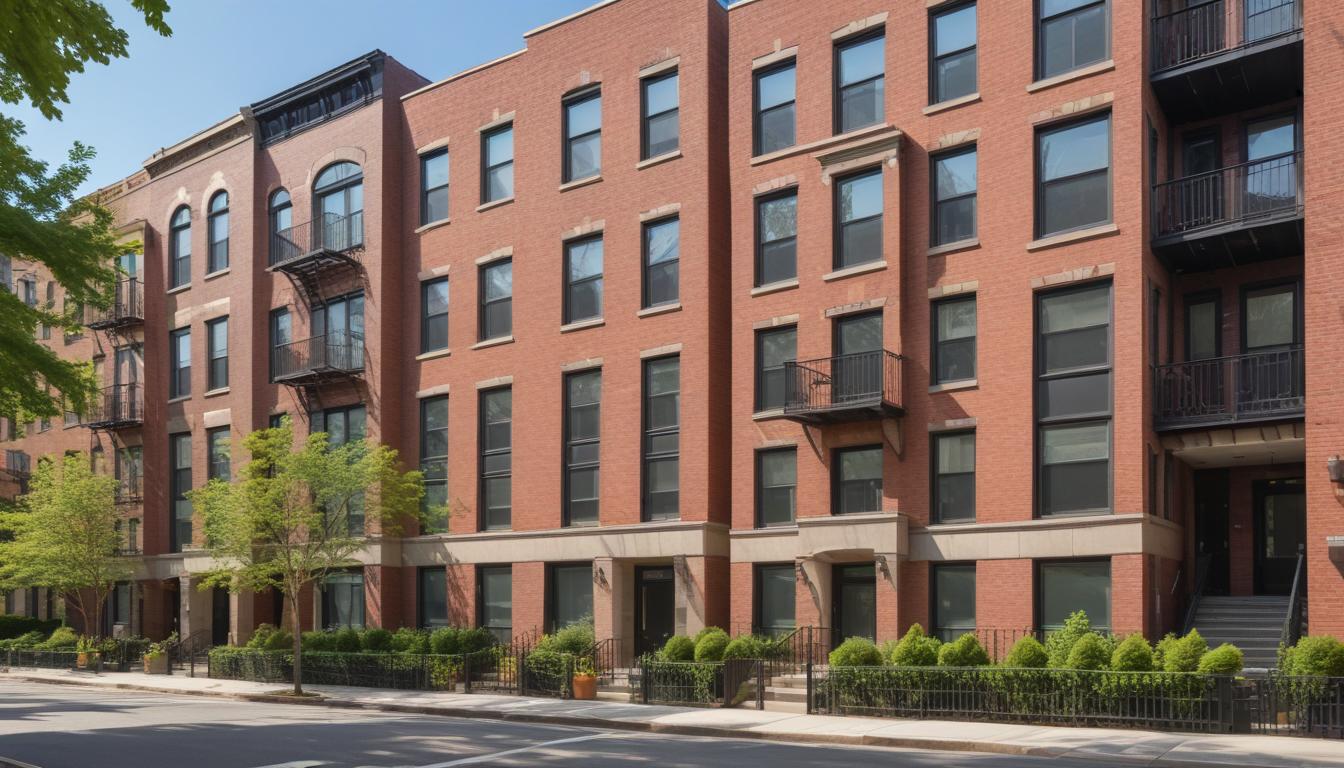
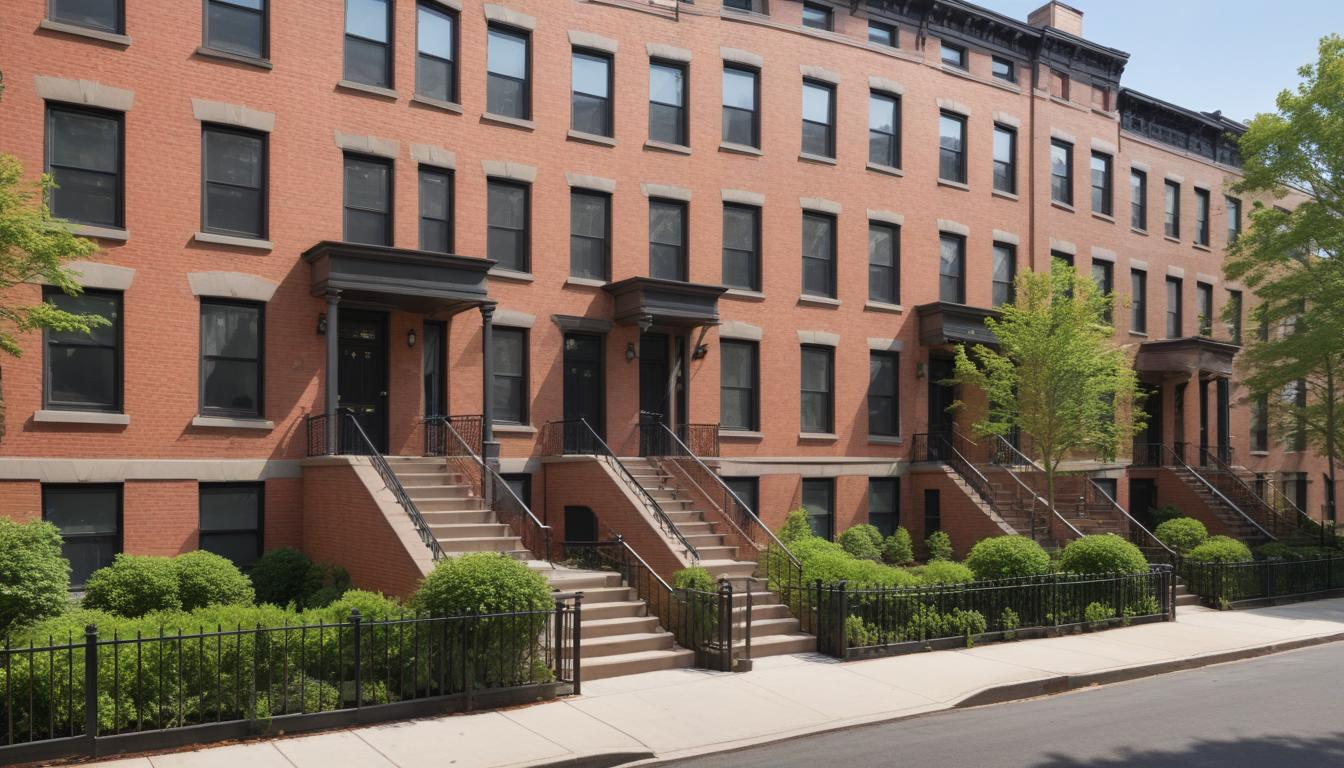
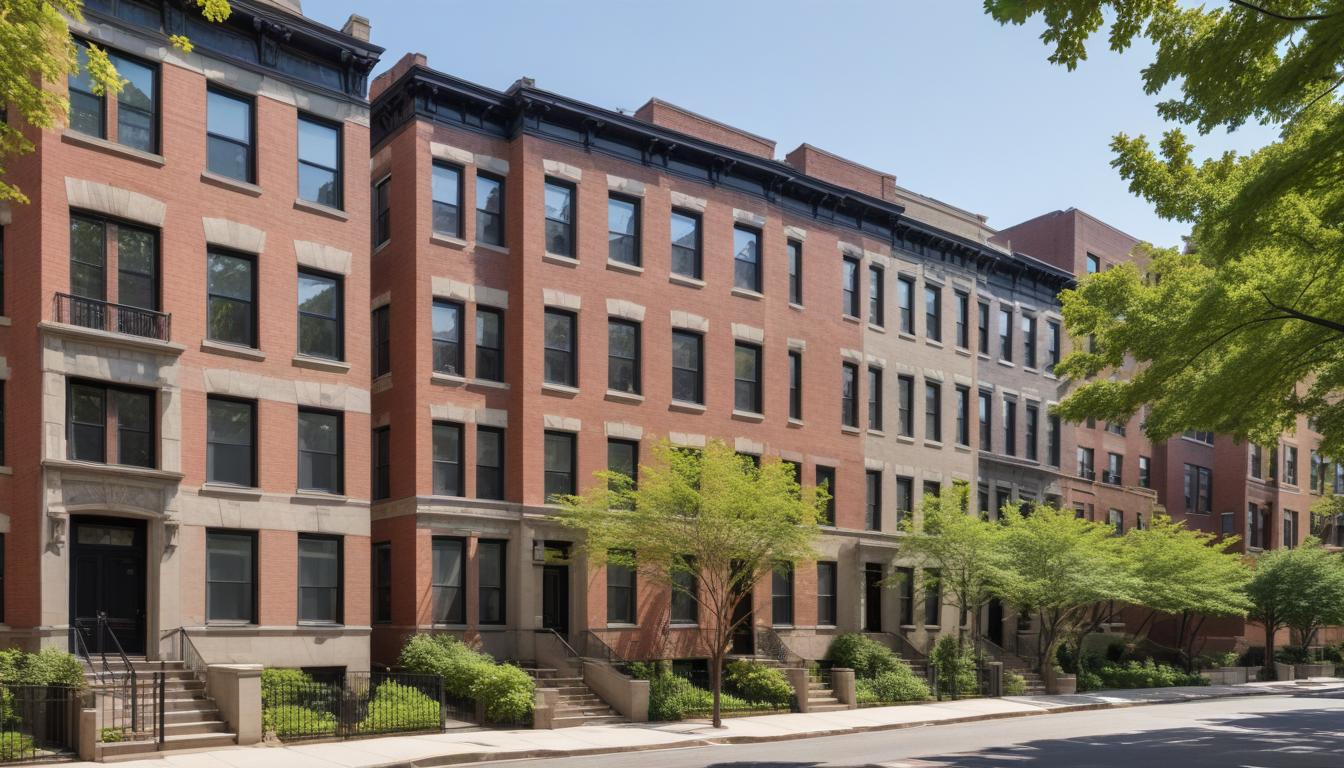
The NYC property market is moving faster than it has in years. The Department of City Planning approved 47,000 housing units in 2025 alone, with new residential construction now visible across all five boroughs. For first-time buyers, this surge presents both opportunity and bewilderment. How do you distinguish between a real, move-in-ready development and one stuck in municipal limbo?
Start by understanding the approval hierarchy. A project with a certified Environmental Assessment Statement (EAS) and City Planning approval is considerably further along than one with merely a proposed rezoning. Sites like the Department of City Planning's public portal and the NYC Housing Development Corporation's tracker reveal which developments have cleared the Department of Buildings (DOB) phase. This matters: a pre-construction offering in Astoria might have Community Board approval but still lack critical financing. That difference could mean a two-year delay.
The real estate market is absorbing this new inventory unevenly. Long Island City, which absorbed 15,000+ units over the past six years, now shows stabilizing prices around $950K for a two-bedroom condo—closer to citywide median than to Manhattan luxury pricing. But newer hotspots like Sunset Park in Brooklyn and College Point in Queens remain undervalued precisely because projects there are still navigating early approvals. A buyer with patience might secure a pre-construction unit at $780K today that could appraise at $950K by occupancy.
The regulatory landscape favors informed buyers. The Affordable New York program offers tax abatements on qualifying developments, making certain newly completed buildings cheaper to own than resale. Similarly, the zoning text amendments enabling accessory dwelling units (ADUs) across outer boroughs have created ancillary income opportunities that weren't available two years ago. A first-time buyer purchasing a townhouse in Sunnyside with ADU potential gains long-term appreciation that purely residential properties don't offer.
Navigate approval timelines by hiring a real estate attorney to review the offering plan—non-negotiable for condos and co-ops. For new construction, insist on seeing the DOB permit number and recent inspection records. Call 311 if unsure; the city's database is public and searchable by address.
The window is now. Construction costs are moderating, financing is available, and Manhattan's $1.3M-plus median has left neighborhoods like Woodside and Bay Ridge genuinely affordable for newcomers. But this window closes when rates shift again. The builders know it. The developers know it. First-time buyers who understand the approval pipeline will know it too.
This article was compiled by AI from the sources linked above and screened before publishing. See our editorial standards.