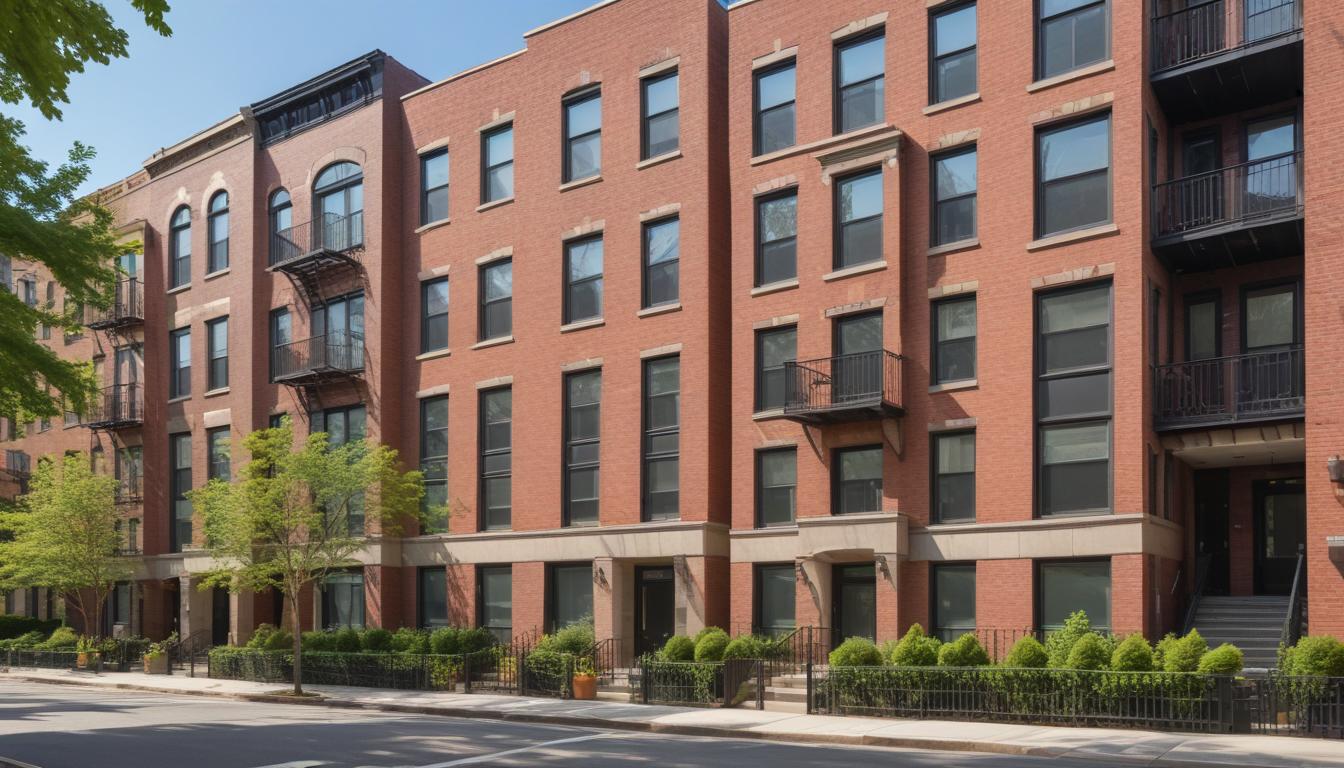
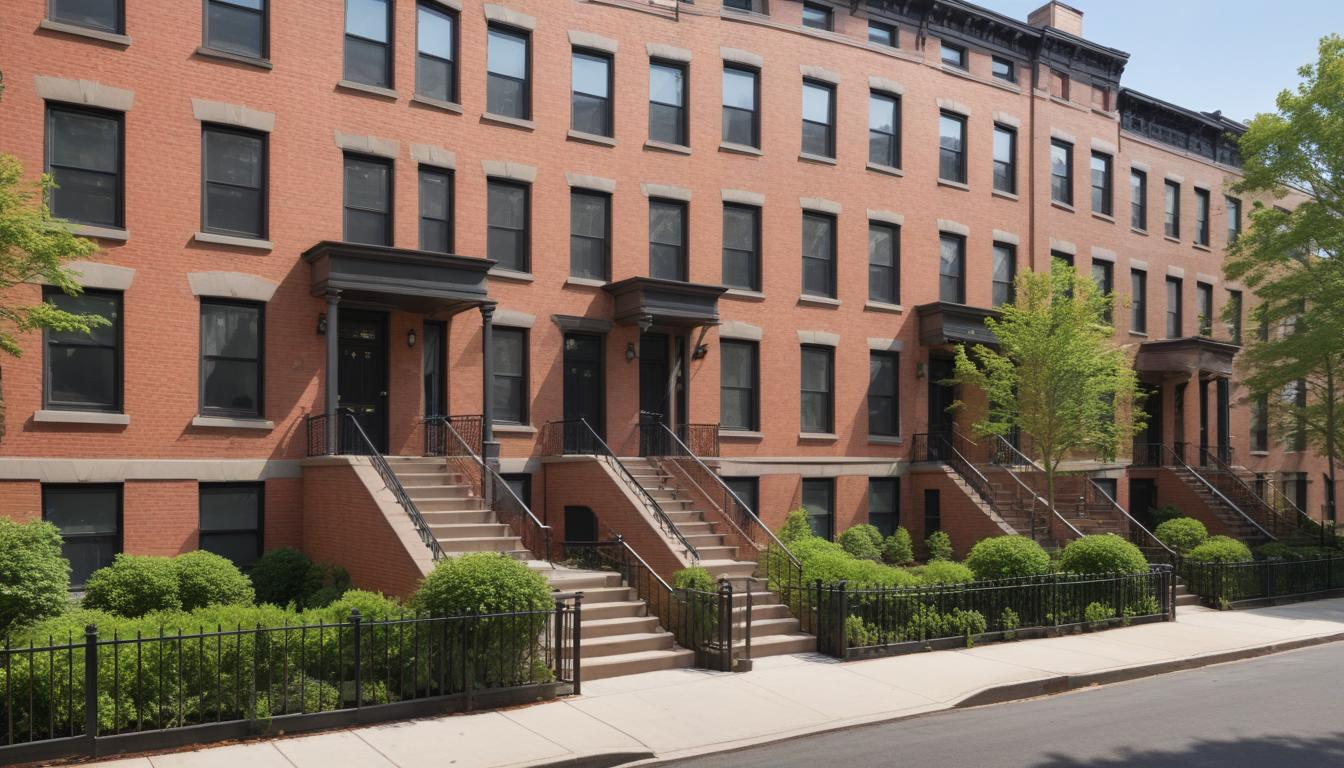
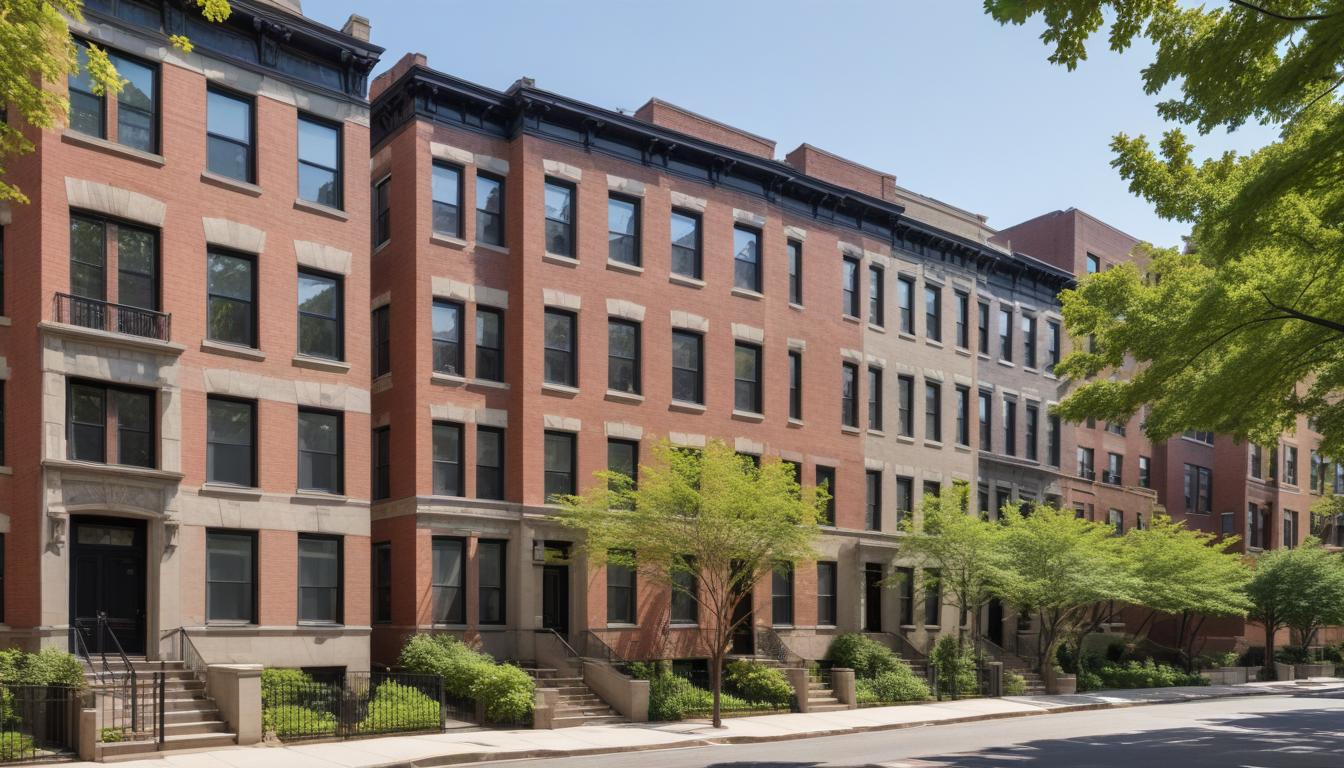
The corner of Nostrand Avenue and Avenue K in Flatbush has sat largely dormant for seven years—a weathered parking lot hemmed by single-story commercial buildings and the elevated Q train rumbling overhead. Next month, construction begins on a 185-unit residential tower that will reshape the block's identity and test whether New York's evolving affordable housing framework can genuinely move the needle on displacement.
The project, developed through the city's Mandatory Inclusionary Housing (MIH) program, will set aside 27% of units for households earning 60% of area median income (roughly $52,000 annually for a family of three). The remaining units will market-rate, priced between $2,100 and $3,200 monthly. For East Flatbush residents accustomed to bidding wars and relocations, the prospect carries cautious optimism.
"What we're seeing is the first real wave of MIH projects coming to completion after the 2016 rezoning," says housing analyst data from the Citizens Housing and Planning Council. "But the math matters: in a neighborhood where median rent is $2,400, even 'affordable' at 60% AMI still stretches working families."
Simultaneously, Sunset Park's waterfront is experiencing its own transformation. A 155-unit development along Fifth Avenue between 36th and 37th Streets—anchoring the ongoing Brooklyn waterfront revitalization—will include 40% affordability, with income levels reaching 80% AMI. The project includes ground-floor retail and community space, marking a policy shift toward mixed-use resilience rather than residential mono-development.
These projects arrive as the city grapples with competing pressures. Median rent in outer-borough neighborhoods has climbed 23% since 2019, while the homelessness census surpassed 67,000 this spring. The Metropolitan Council on Housing argues that MIH's current percentages remain insufficient, calling for 50% affordable minimums in all new construction.
Community Board 9 (covering East Flatbush) approved both projects conditionally, securing commitments for local hiring and school capacity studies. Still, longtime residents point to a deeper concern: without investment in transit, schools, and green space, affordable units alone don't prevent neighborhood churn.
The Nostrand Avenue project breaks ground July 15. Completion is estimated for 2029. When it opens, it will house roughly 400 people in a neighborhood where the median home price hovers near $850,000. In the arithmetic of contemporary New York, that's meaningful. Whether it's sufficient is another question entirely.
This article was compiled by AI from the sources linked above and screened before publishing. See our editorial standards.