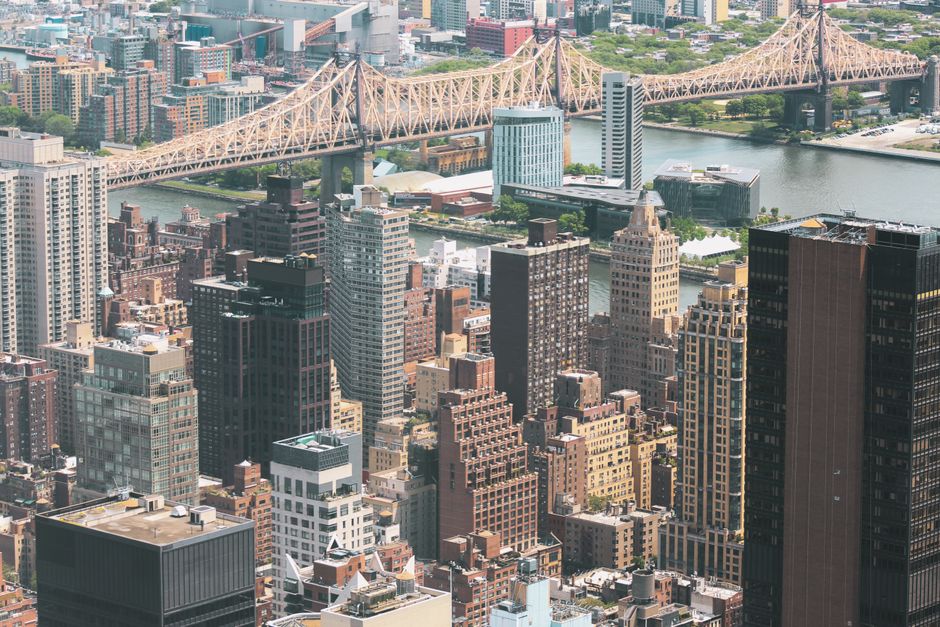
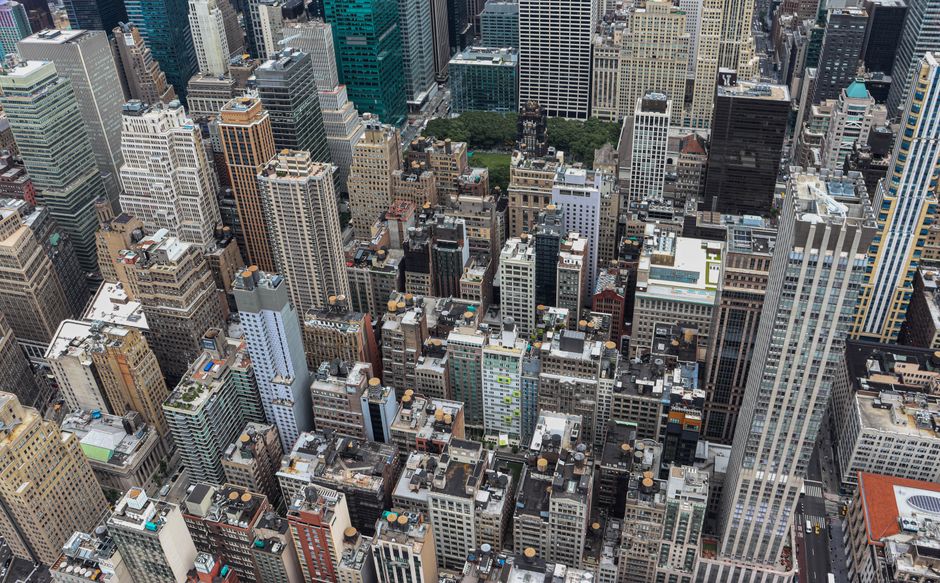
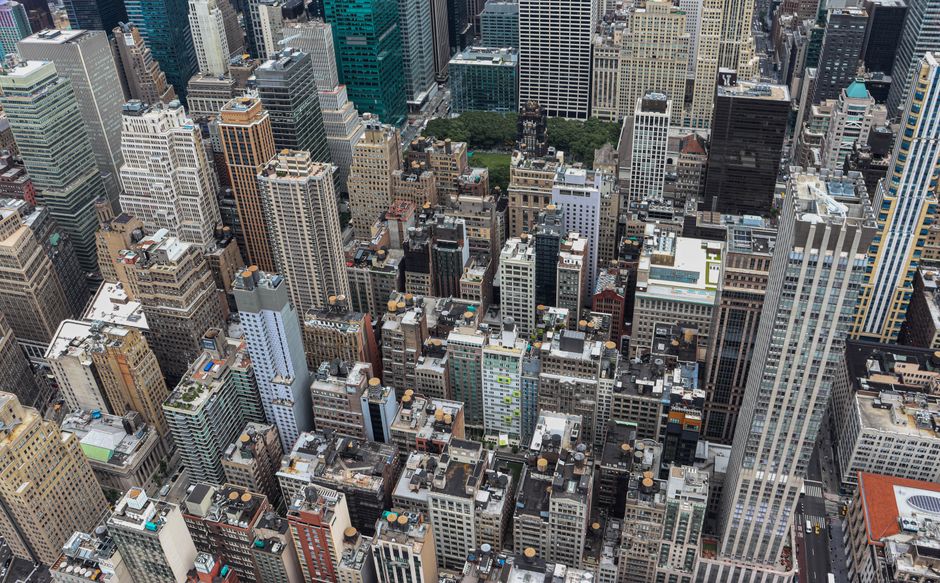
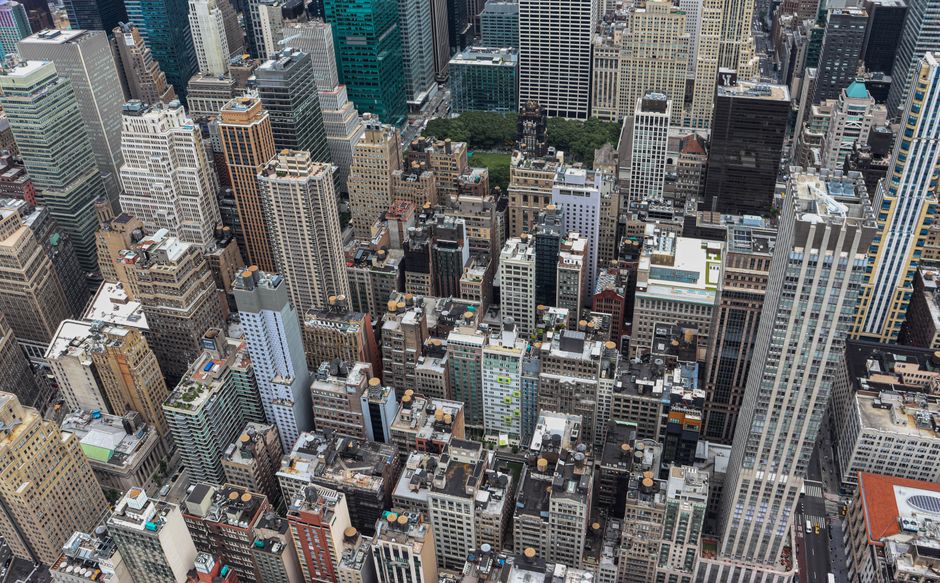
Shrinking availability across Manhattan and the outer boroughs is reshaping tenant leverage and pushing both rents and purchase prices into new territory.
With median prices holding steady around $800,000 citywide and affordable units vanishing faster than ever, new policy shifts are reshaping who can actually afford to live here.
With hundreds of units breaking ground across Brooklyn and Queens, understanding approval timelines and incentive programs has never been more crucial for entry-level purchasers.
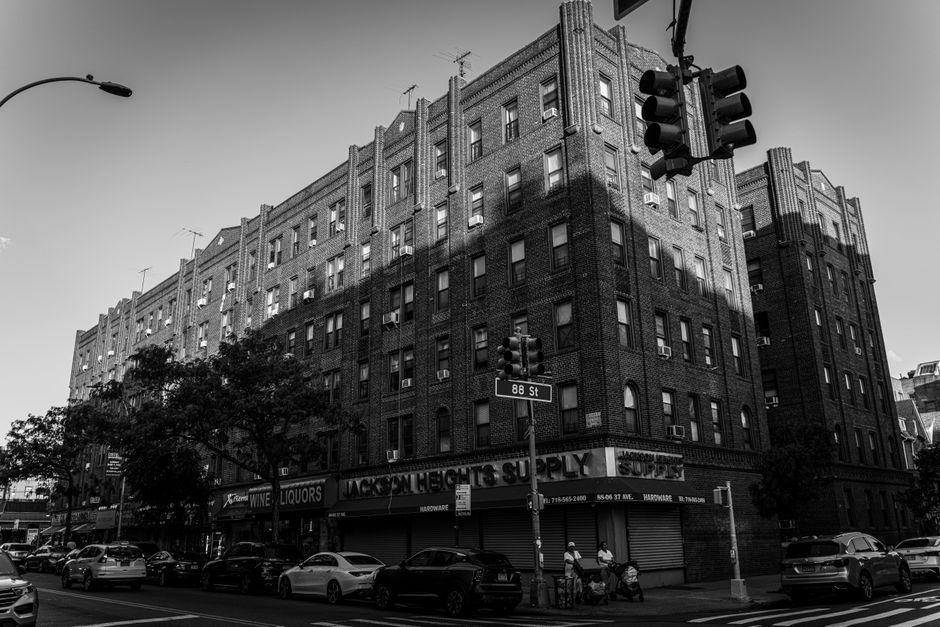
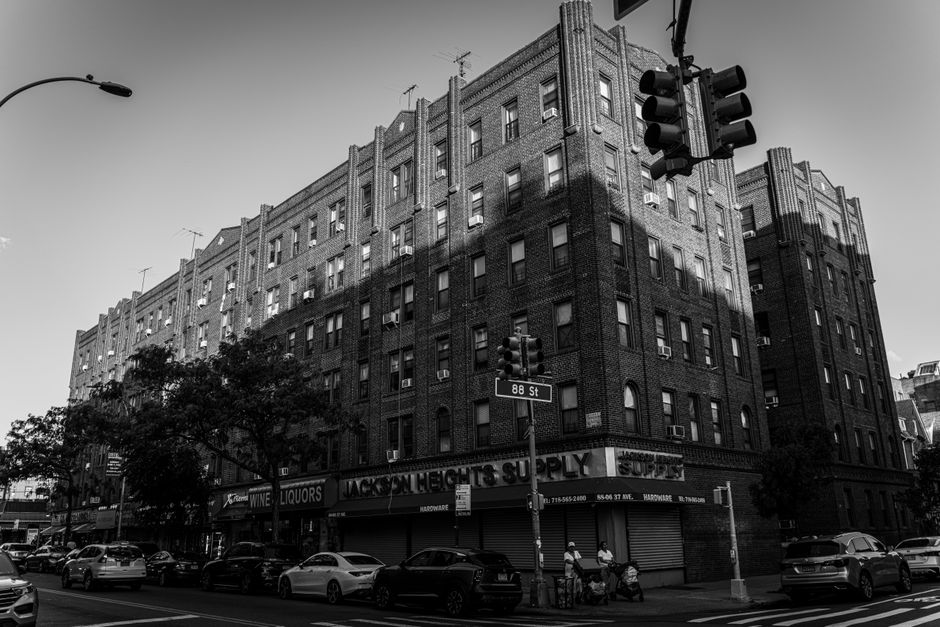
Driven by transit improvements, cultural momentum and prices still 30% below Manhattan averages, Astoria is attracting serious capital from both owner-occupants and institutional investors.
As Manhattan rents plateau and Brooklyn prices soar, Astoria's combination of transit access, cultural appeal, and sub-$900k entry points is attracting a new wave of landlord capital.
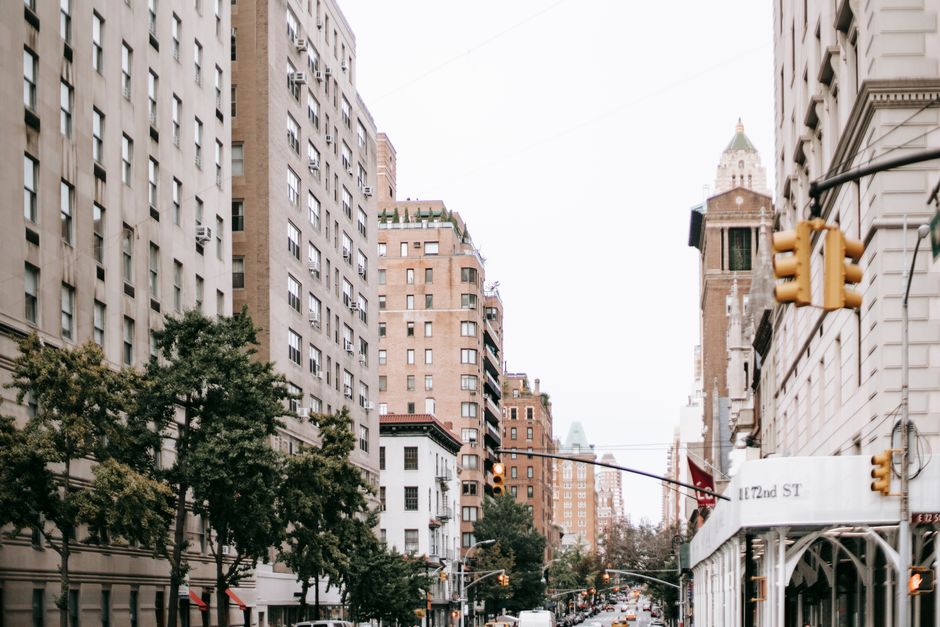
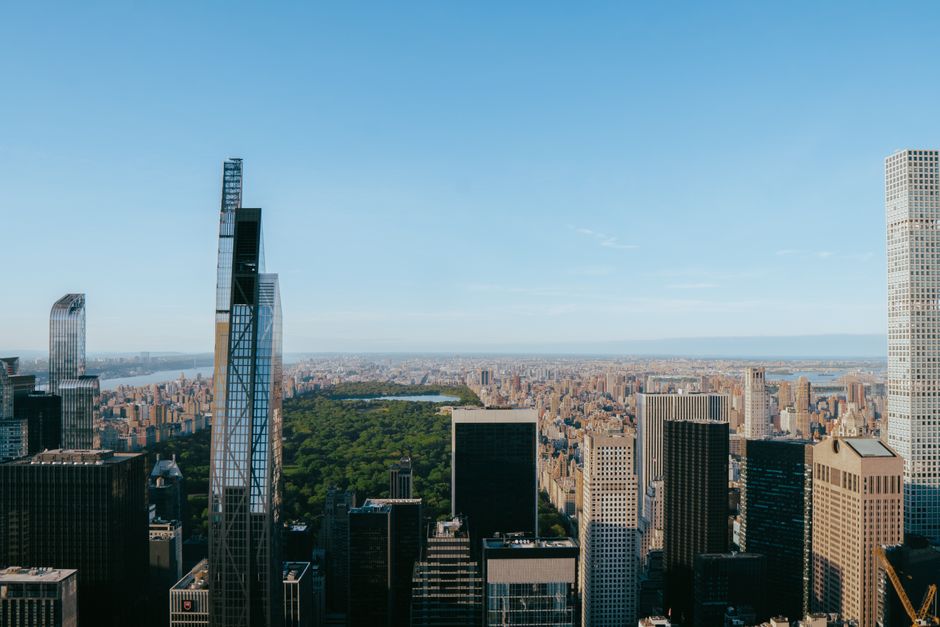
High-end rental prices across the Upper East Side and Tribeca are reshaping who can afford prestige addresses—and how property owners manage their portfolios.
Developers and owner-occupants are racing to Astoria's Long Island City periphery, where converted factories and waterfront rezoning are pushing prices 18% higher year-over-year.
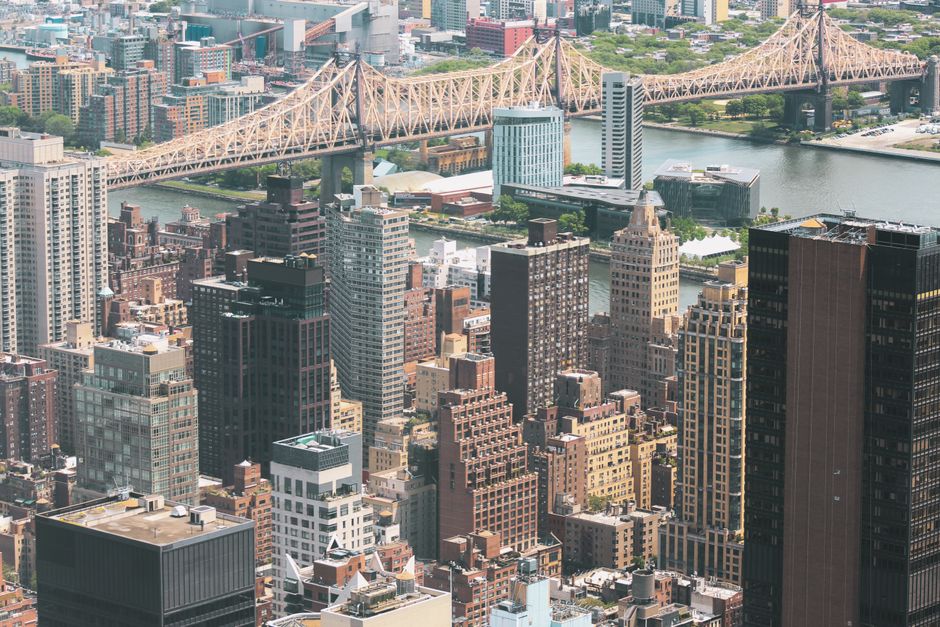
A waterfront redevelopment breaking ground near the historic market promises affordability at a critical moment when median rents in the borough have climbed 23% since 2020.
With institutional investors flooding the prestige rental sector, both property owners and affluent renters face unprecedented pressures that are redefining the traditional landlord-tenant relationship.
With new residential towers reshaping neighborhoods from Astoria to the Upper West Side, renters are seeing their first real relief in years—but the math still favors landlords.