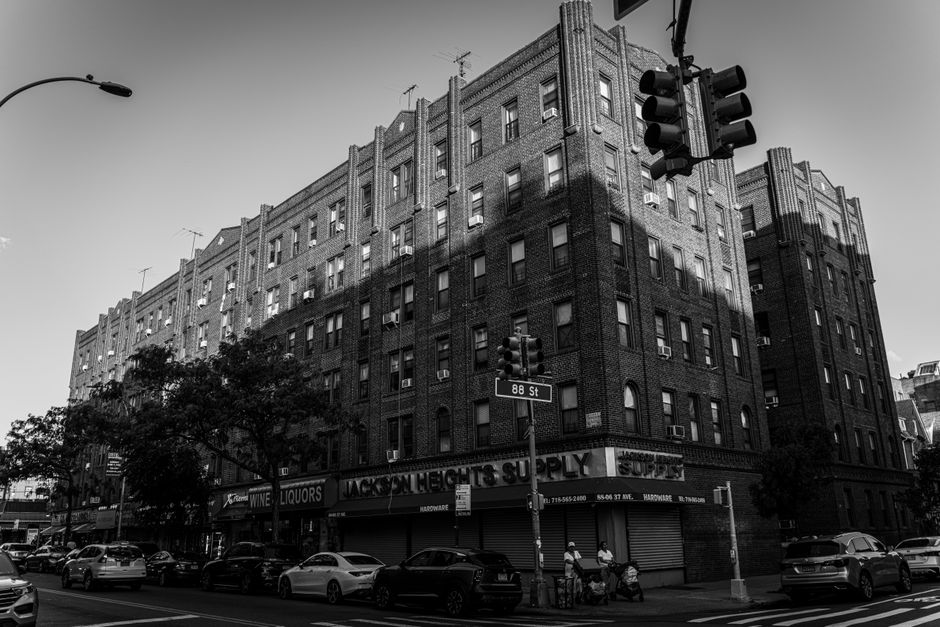
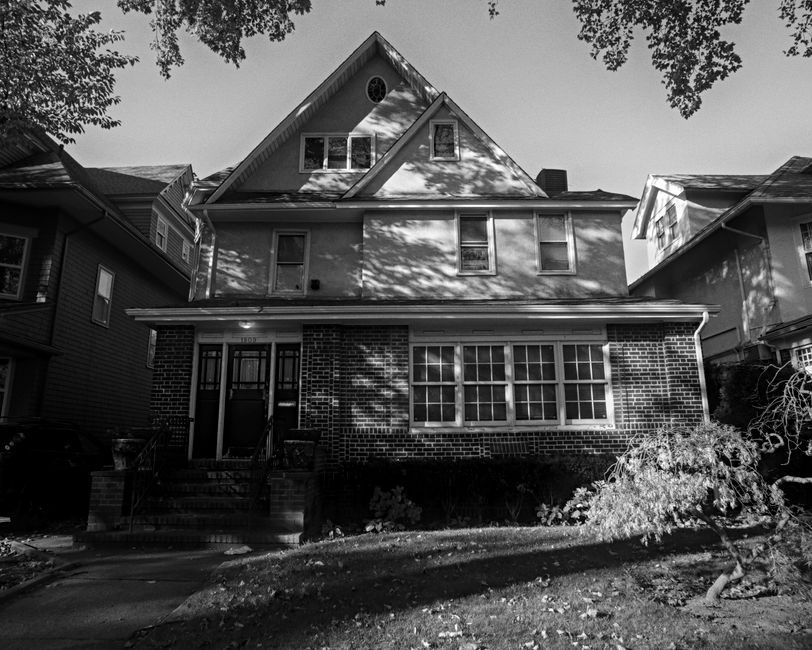
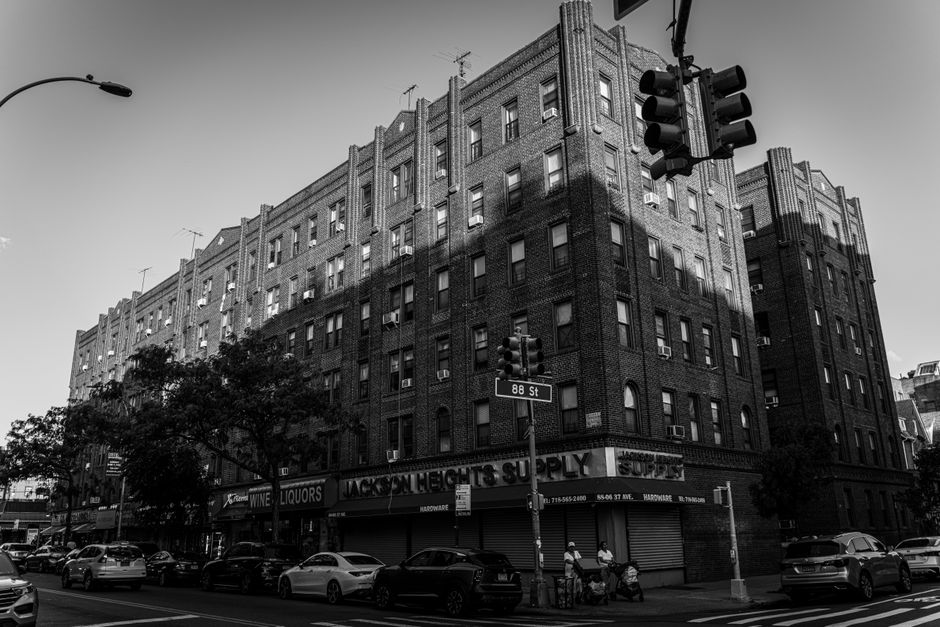
Three major residential-commercial developments breaking ground this year are already redefining property valuations and neighborhood character in Queens' fastest-growing tech hub.
Rising rents across Brooklyn and Queens are forcing aspiring homeowners to delay purchases, while landlords face pressure that ripples through the entire property ecosystem.
As Manhattan prices plateau above $1.3 million and Brooklyn gentrification slows, savvy investors are reshaping Astoria's real estate landscape with new transit links and waterfront development.
As developers eye mixed-income projects along the East River, Astoria is becoming the rare NYC neighbourhood where affordability mandates and investment returns align.
As construction accelerates across Brooklyn and Queens, completed residential developments are finally showing the rental and resale yields that drew capital into the pipeline three years ago.
Three major mixed-use projects along the East River are driving up property values and redefining what it means to invest in outer-borough real estate.
Recent zoning reforms and grant expansions are reshaping affordability across the five boroughs, but timing and location remain critical for entry-level buyers.
With vacancy rates dropping and rents climbing 12% year-over-year, Long Island City has quietly become the city's most compelling rental investment opportunity.
As the city's median home price holds steady at $800k, savvy investors are discovering that returns vary wildly depending on neighbourhood, asset class, and timing.
Interest rates, inventory constraints, and a reshaped buyer profile are rewriting the playbook for penthouses on the Upper East Side and trophy properties in Tribeca.
Rising operating costs and regulatory pressure are forcing property owners to raise rents, while tenants face eviction risks and displacement—pushing both sides toward breaking point.
From Brooklyn to the Upper West Side, municipal planning decisions are quietly rewriting the rules of who can afford to live where—and the market is responding faster than expected.
As vacancy rates hover near historic lows, savvy landlords are cashing in—but the numbers reveal a market where scarcity, not strength, is driving returns.